
What makes a war movie good? If you ask us, it would be having the ability to transport us to a place and time that we would never have imagined living in. Most of us are fortunate enough to not experience the horrors of war. However, a great film can help open our eyes to the realities lived by soldiers. Sadly, a lot of war films tend to overdo the action and drama to make it more appealing to viewers. The good news is that this is not always the case. Let us take a look at the war films that can transport us and show us the realities of these harrowing times!
Saving Private Ryan (1998)
From the costumes to the military tactics employed, just about everything in Saving Private Ryan hit the mark. In the opening scene, we got to see the storming of Omaha beach. It was actually so accurate that WWII vets had to be escorted out of the cinemas after seeing it. We have to admit, however, that there were inaccuracies in terms of the plot. For example, the character played by Tom Hanks did not exist. The plot revolving around saving the mother’s son did not happen either. Even though this was the case, it is impressive to see how many facts they got right.
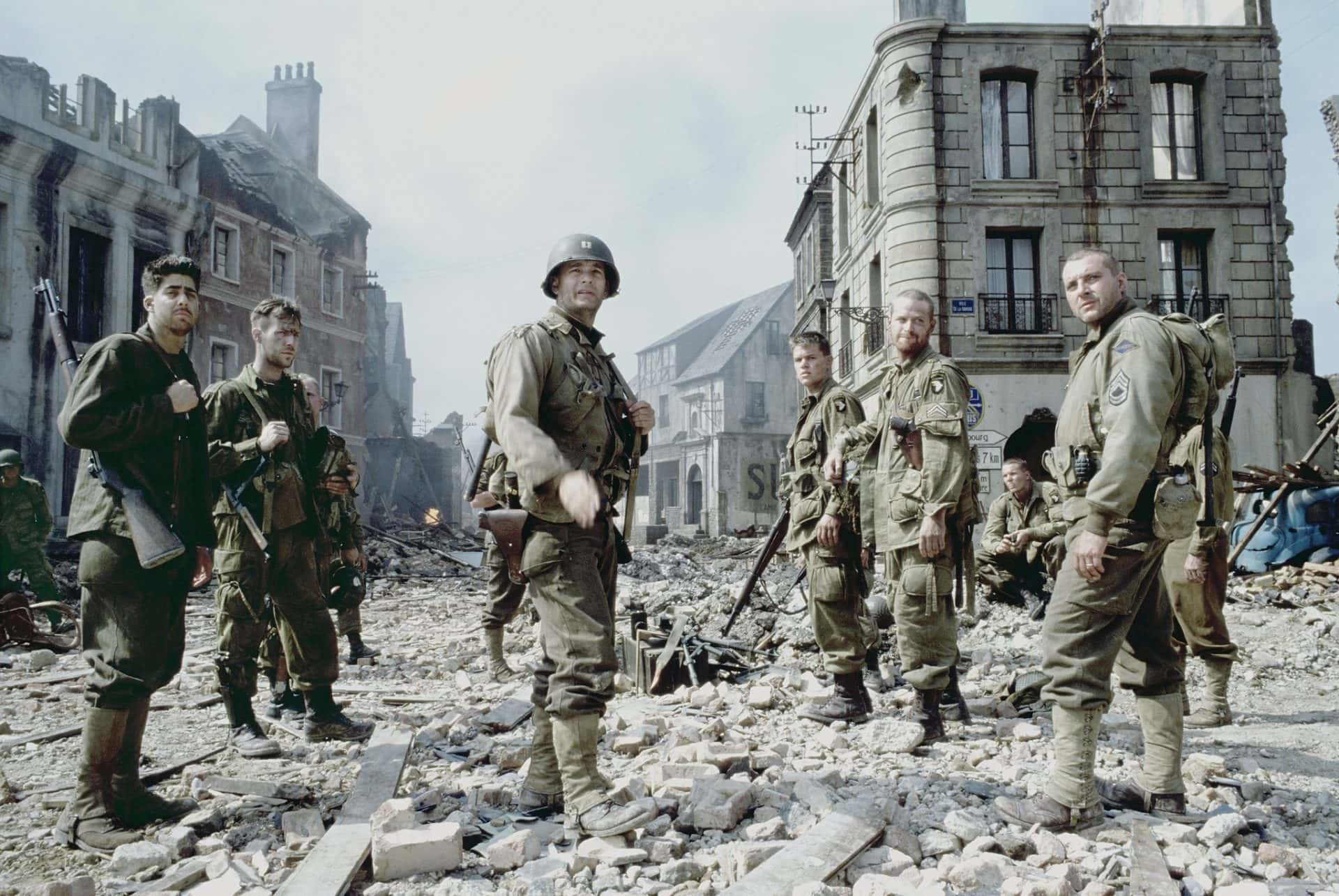
Saving Private Ryan (1998)
Letters From Iwo Jima (2006)
This war film was refreshing since it did not follow the story of an American soldier like most of them do. Produced and directed by Clint Eastwood, it is considered a companion piece to his other film, Flags of our Fathers. The older film revolved around the same battle, although it was told from the perspective of an American serviceman. Letters From Iwo Jima went to great lengths to show us how fearless Japanese soldiers had been during one of the biggest fights of the Second World War. It was based on a book written by a Japanese general and even used his quotes.
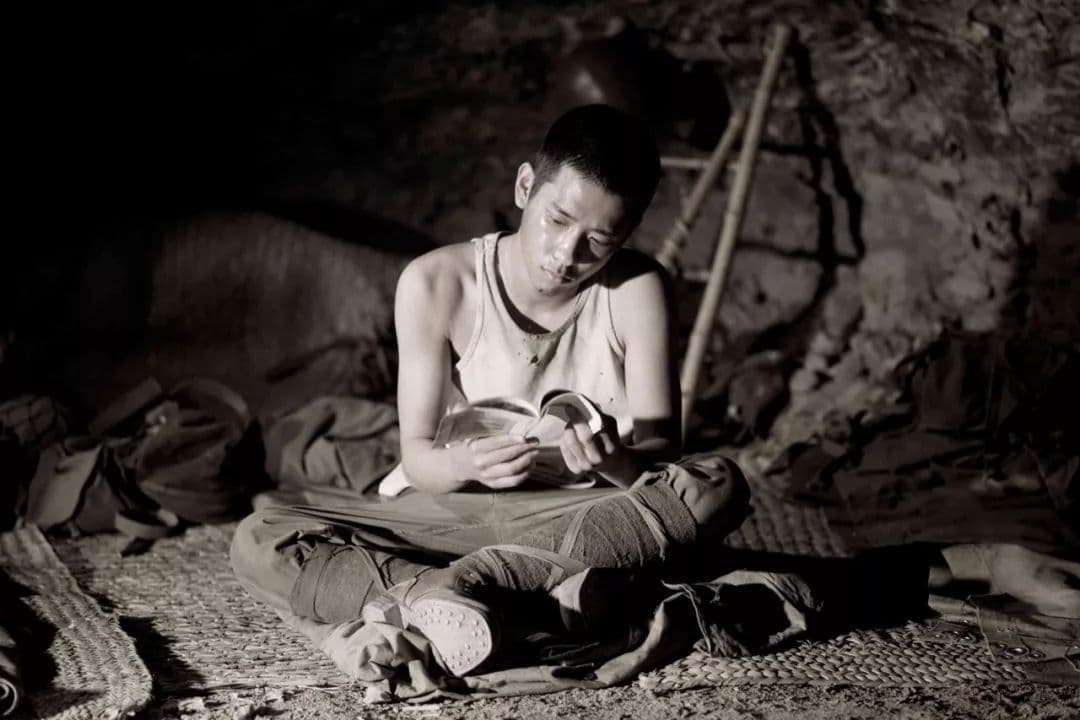
Letters From Iwo Jima (2006)
Glory (1989)
In Glory, we got to know the story of a privileged white soldier called Robert Gould Shaw. He was assigned as the commander of the second all-black Union regiment of the Civil War. They used the letters that he penned in those days as the basis of the screenplay. This was a great choice because since it accurately represented the race dynamics of that era and did not hold back on showing the realities of war. A lot of scenes showed how brutal the combat was and how going to the field hospital mostly led to death.
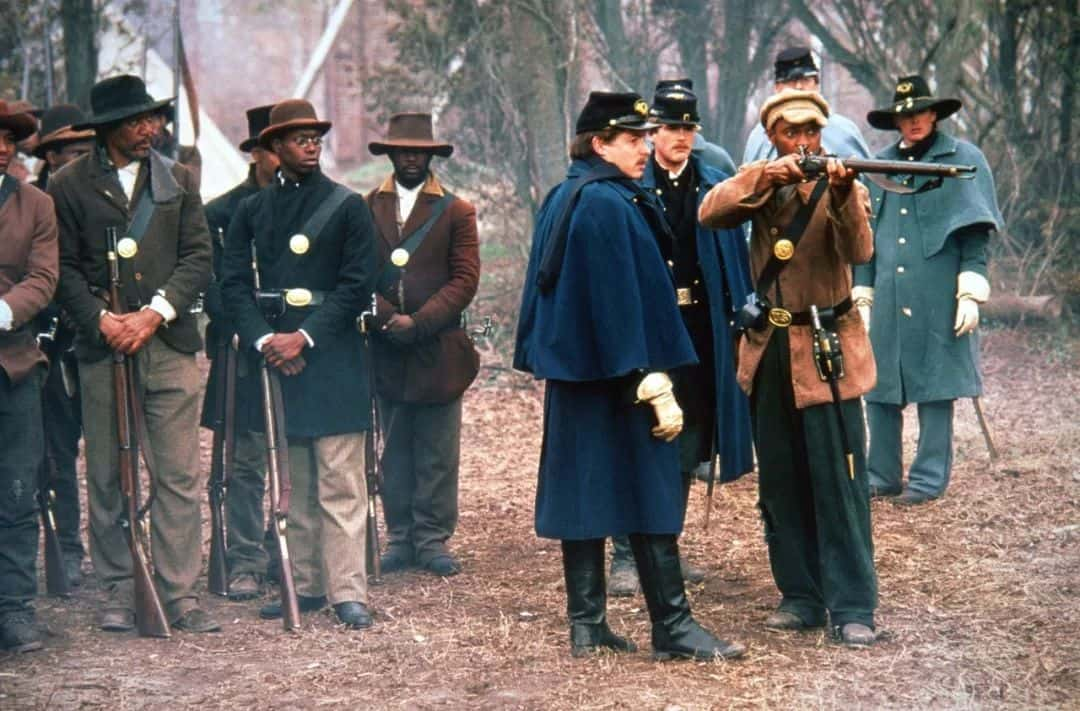
Glory (1989)
Full Metal Jacket (1987)
Stanley Kubrick made it his mission to create a film that followed a platoon of Marines during the Vietnam War. He wanted to do this as accurately as he could. The filmmaker started to do research as early as four years before taping. He watched old footage, read Vietnamese newspapers, and studied “hundreds of photographs.” This was how he made his 1987 masterpiece, Full Metal Jacket. The action scenes and costumes were accurate, but what gave it an advantage was the experience of one of the cast members. A former Vietnam War drill instructor, R. Lee Ermey was supposed to work as a technical advisor but landed the role of Gunnery Sergeant Hartman after trying out for the role.
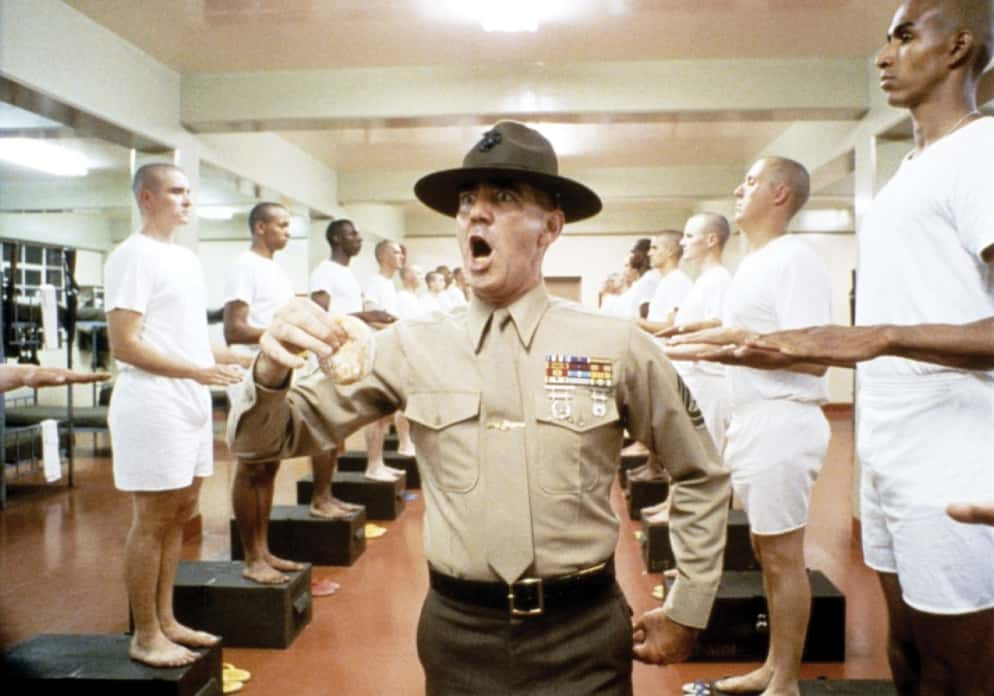
Full Metal Jacket (1987)
We Were Soldiers (2002)
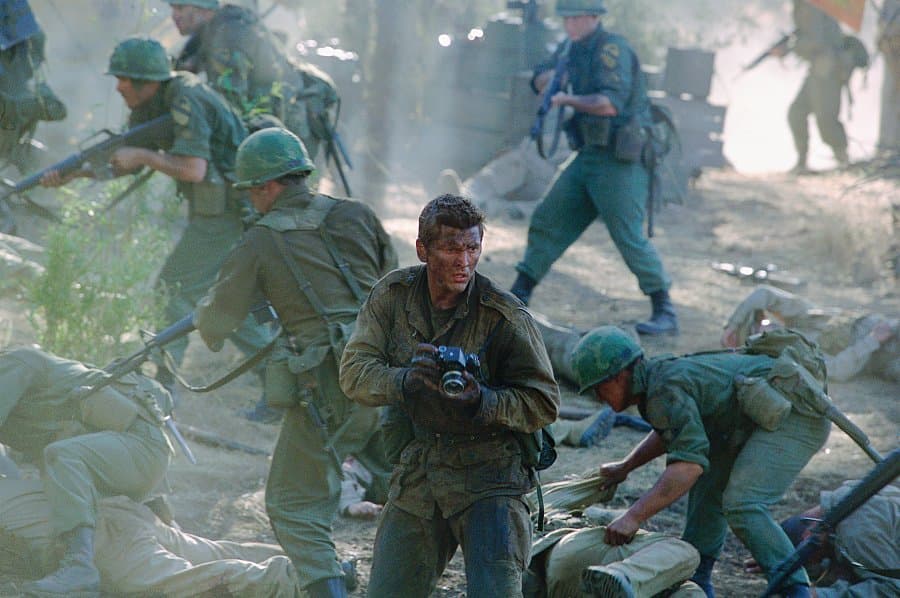
In We Were Soldiers, we got to see a three-day Vietnam War conflict known as the Battle of Ia Drang. The film showcased military tactics such as firing several rounds of ammunition on a bush and flushing out enemies. According to the director, the movie was based on a book written by a former U.S. Army General by the name of Hal Moore. Apparently, the retired general complained about how “every damn Hollywood movie got it wrong.” This made director Randall Wallace work hard to get things right! In the end, Moore said that it was pretty close.
We Were Soldiers (2002)
Black Hawk Down (2001)
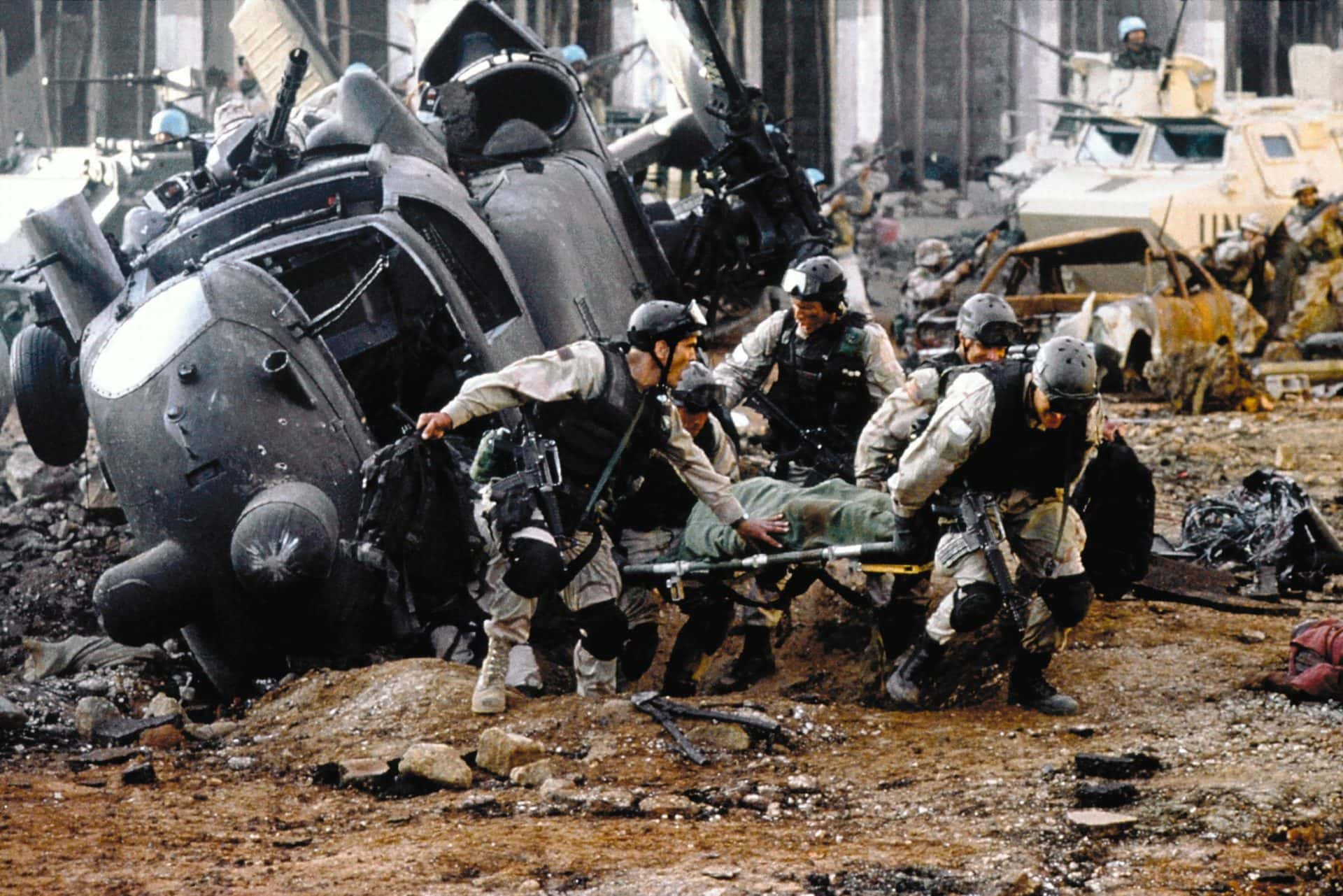
Based on a non-fiction book, Black Hawk Down was about a journalist who was in Somalia during the Battle of Mogadishu. Even though many Hollywood war films stylize these projects, it chose to stick to a gritty and stripped-down style. It was impressive to see how the film showcased the crash of the helicopter, as well as the tactics used by American soldiers when forced to undergo heavy fire. Even though the film shied away from digging deeper into the story and its politics, it still adeptly paid tribute to all the soldiers that fought in this important battle.
Black Hawk Down (2001)
Stalingrad (1993)
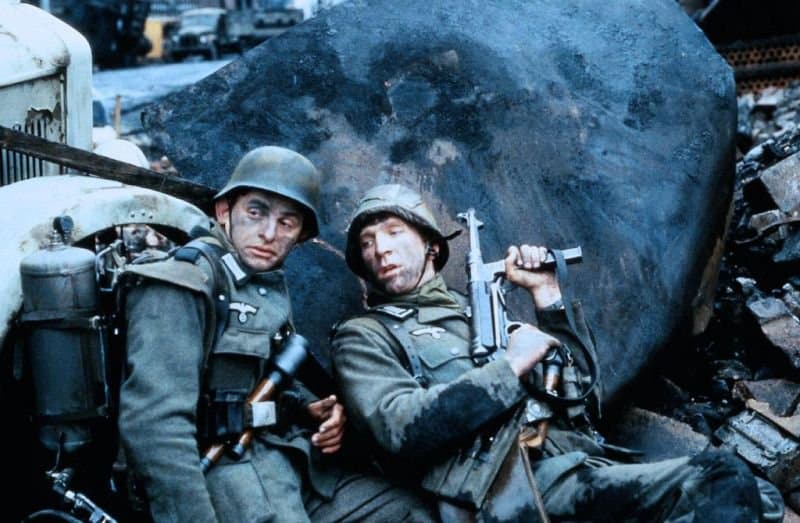
We first want to get it out of the way that there are two films with the same title. Instead of the 2013 Russian propaganda film, we want you to focus on the 1993 German film that has been dubbed “one of the most accurate war films ever.” It showed the perspective of soldiers that failed on the mission to invade the titular Soviet city. The film did not hold back on showing violent scenes of corpses and the confusion of the soldiers. A lot of people also praised Germany for showing the losing side of this battle.
Stalingrad (1993)
Lone Survivor (2013)
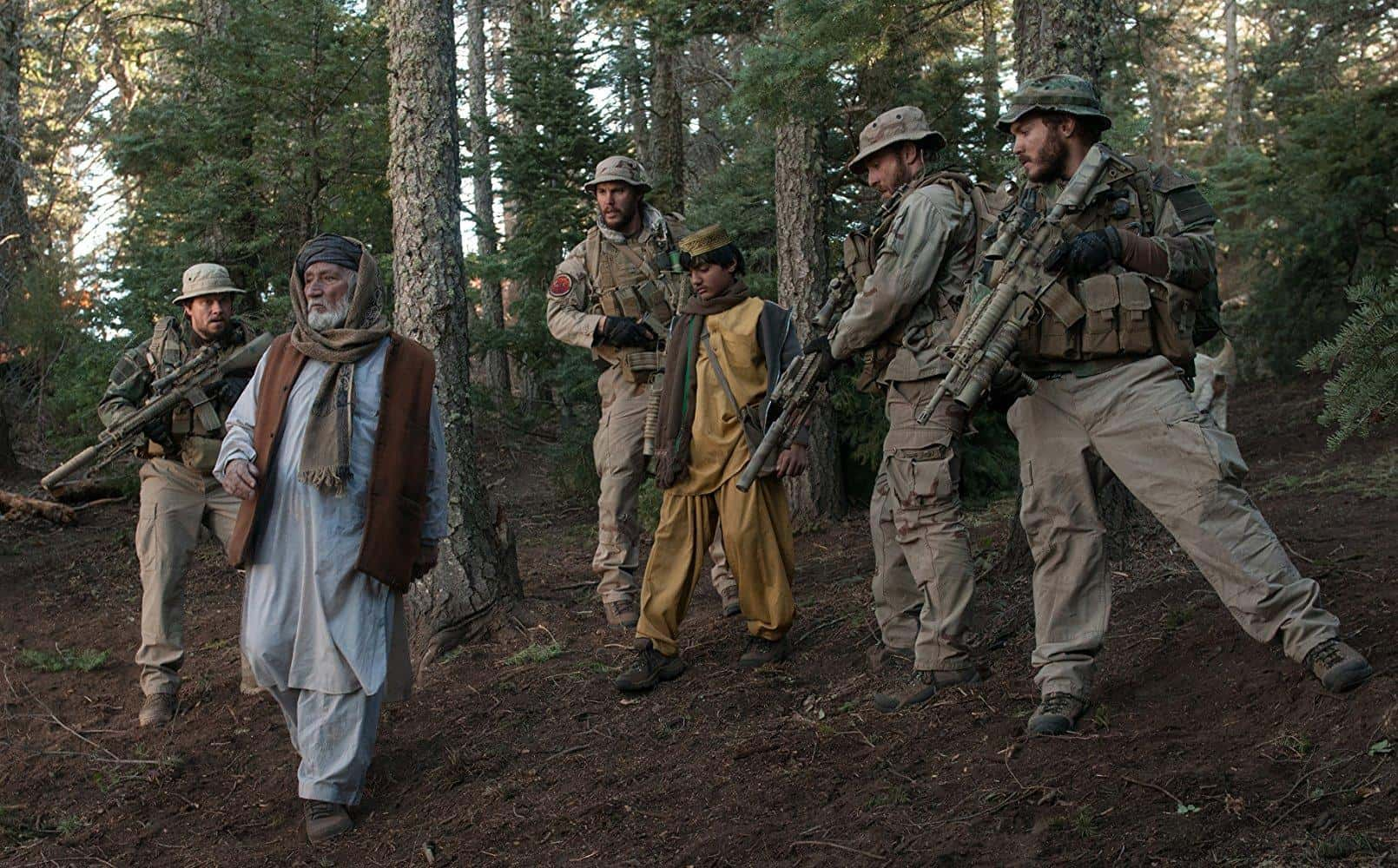
Lone Survivor was also based on a book with the same name. If you watch the film, you will learn about the story of four Navy SEALS who were posted in Afghanistan. After the Taliban attacked, the SEALs had to go through a life or death scenario. Even though it might look like it was dramatized, you should keep in mind that everything in the film happened. They really had to go down to cliffs to get away from the gunfire, and Mike Murphy gave up his life. Even the part where friendly villagers helped Marcus Luttrell was true!
Lone Survivor (2013)
84C MoPic (1989)
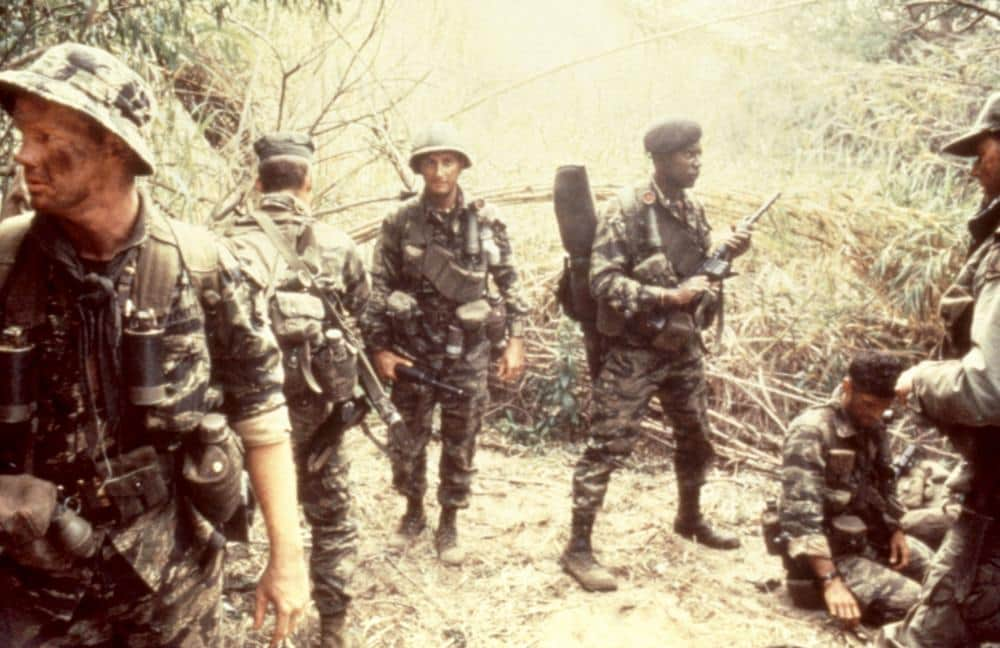
Sometimes called 84 Charlie MoPic, 84C MoPic came out in 1989. This mock documentary followed a cameraman assigned to a Vietnam War LRRP team. It might be one of the oldest “found footage” films out there, but it is totally accurate. From the faulty weaponry to the radio communication to the language they used, everything was historically correct. An American Iraq War vet said that it was great since “there are no distracting subplots, only the immediate fight for survival.” What we can learn from this is that independent films can be even more accurate than big projects.
84C MoPic (1989)
Hamburger Hill (1987)
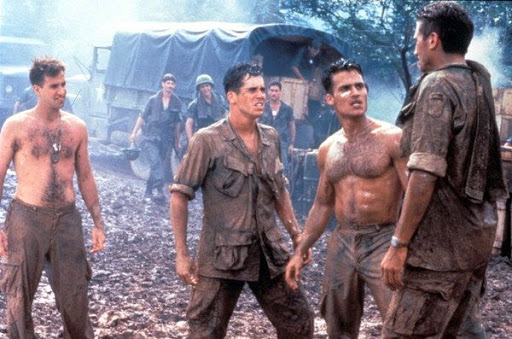
There is a reason Hamburger Hill does not get a lot of attention. It came out only nine months after Platoon did and got overshadowed by Full Metal Jacket, which was released a month after it. Even though it did not get a lot of media attention, it accurately showed the daily life of an average war platoon. Instead of putting it into a bigger frame, the movie simply showed us what the day-to-day is like. They were able to perfect the “grunt slang” so much that they needed to add subtitles. A historian also said that the battle scenes were “as close as you could ask for.”
Hamburger Hill (1987)
MASH (1979)
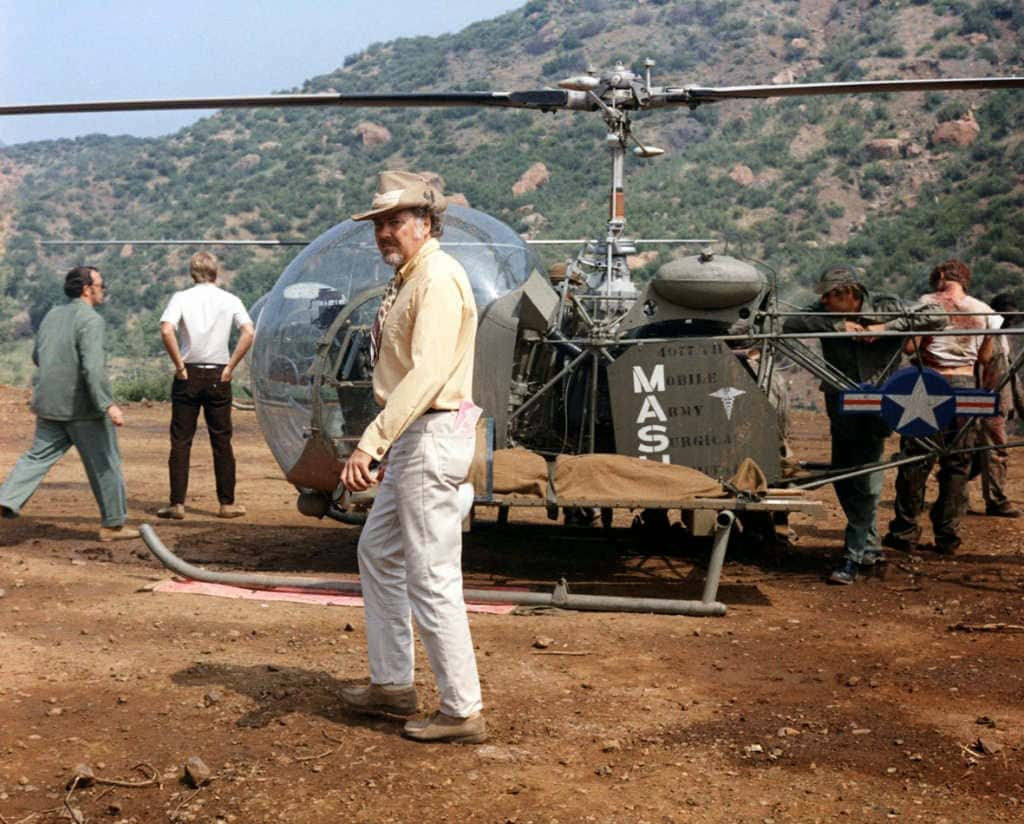
Even though this 1970 movie was slated to be a black comedy revolving around the terrors and trials of war, it went on to be one of the greatest war pieces out there. This culturally significant project followed a medical unit posted in Korea, although its subtext criticized the Vietnam War more than anything. It was understandable that it would have certain inaccuracies, but it was largely accurate in terms of the daily antics and rituals that the unit got up to avoid losing their minds. This only goes to show that a film does not need to be dramatic to stay true to the historical facts.
MASH (1979)
Come And See (1985)
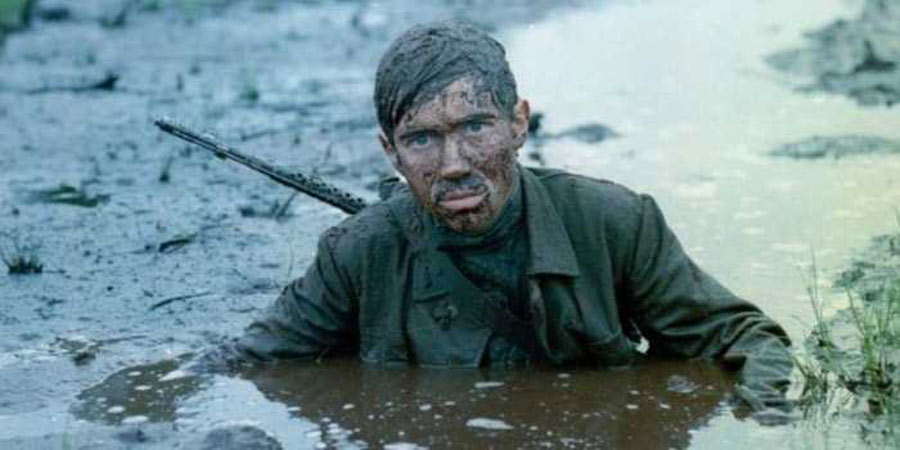
The Soviet film Come and See is about the atrocities committed by Nazis during the Belarus occupation during the Second World War. It revolves around a young boy growing up in occupied Belarus and seeing Nazi soldiers throw grenades at homes for kicks and similar war crimes. The climax of the movie is difficult to watch since Nazis burn down a whole village and kill almost all the residents there. The people who doubt the accuracy of the film will be able to find gruesome records that document the exact same thing committed by the Nazis in Belarus.
Come And See (1985)
Sergeant York (1941)
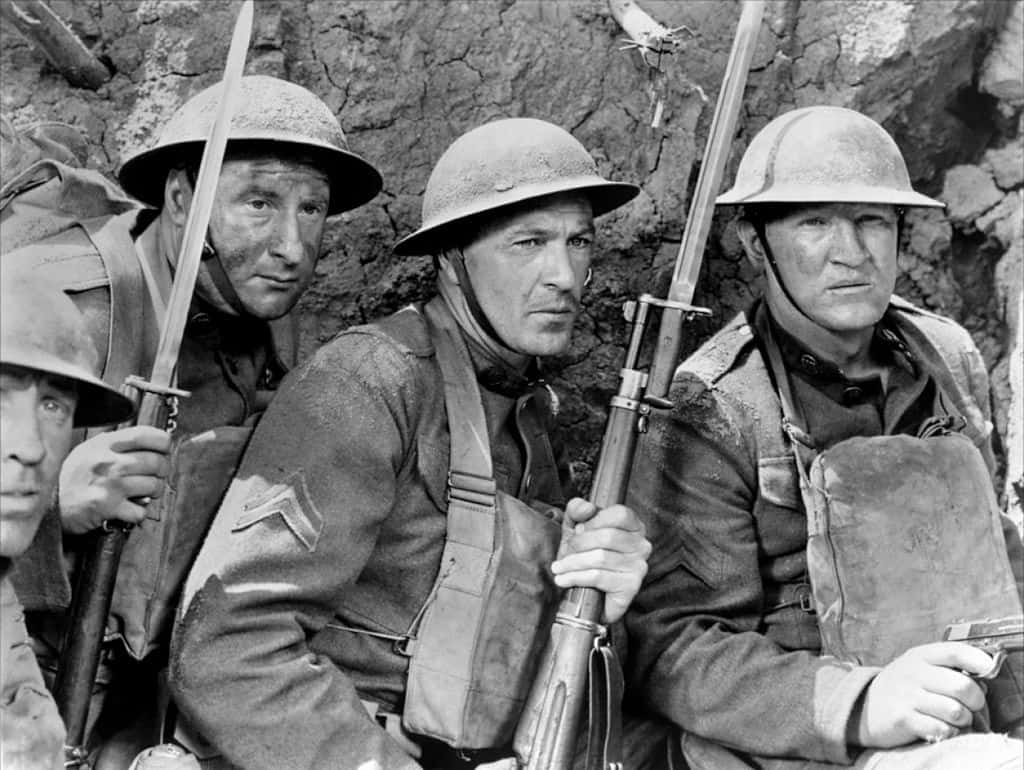
This has to be one of the earliest films on our list. Sergeant York came out in 1941 and shows the life of a World War I soldier called Alvin York. He killed 25 German soldiers and captured 132 more, making him one of the most decorated soldiers of the conflict. What helped the film stay true to the story was that York was an advisor on the set. The project showcased the realities of war and became the highest-grossing film of the year. The movie also helped boost American morale as the country just joined the Second World War around the same time.
Sergeant York (1941)
Das Boot (1981)
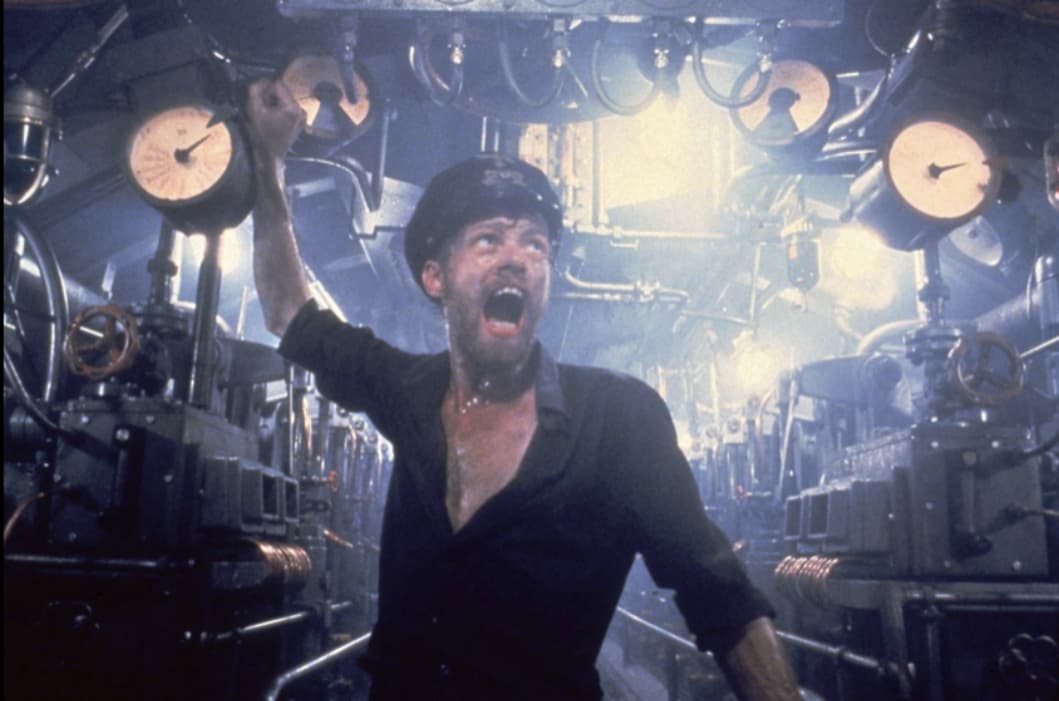
We have another German film that did not shy away from depicting the horrors of war. The story takes place in 1942 and looks at German U-Boat crews during the Battle for the Atlantic. People appreciated its nuanced view of life inside a submarine and showed the struggles of German soldiers to understand what the Nazi party was doing. Considered one of the best films about U-Boat servicemen, Das Boot was able to show us a dim yet realistic portrayal of the people who lived through the war.
Das Boot (1981)
Tora Tora Tora (1970)
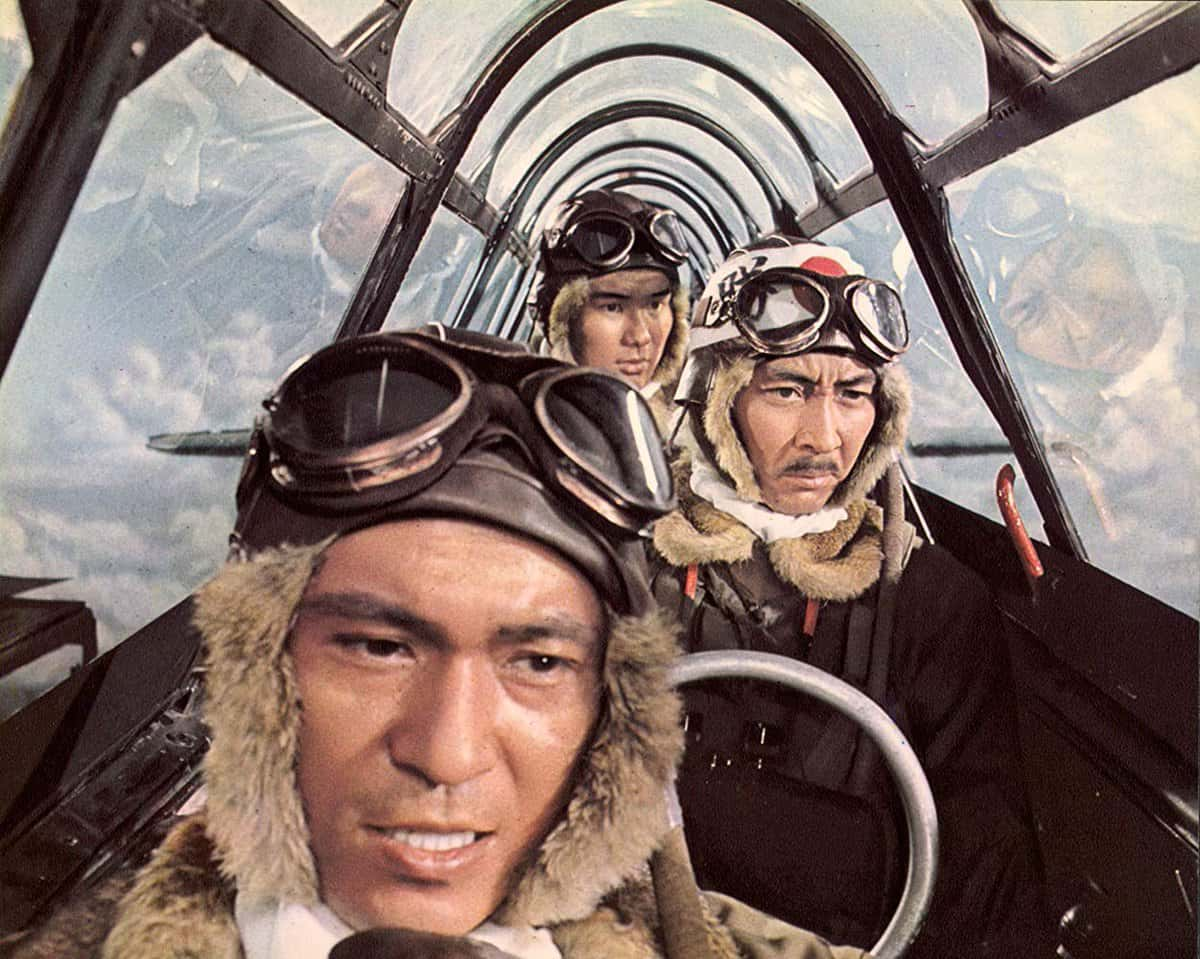
Japanese and American filmmakers collaborated to create a biographical war movie called Tora Tora Tora over three decades since the bombing of Pearl Harbor. It showed the two perspectives of the attack and used historical sets whenever they could. The filmmakers took footage of USS destroyers and recreated the exact same aircraft used by the Japanese soldiers. Even though it did not get the best critical reviews, it is undeniable that it was one of the most accurate films about the Second World War. In fact, it is often a staple in history classes!
Enemy At The Gates (2001)
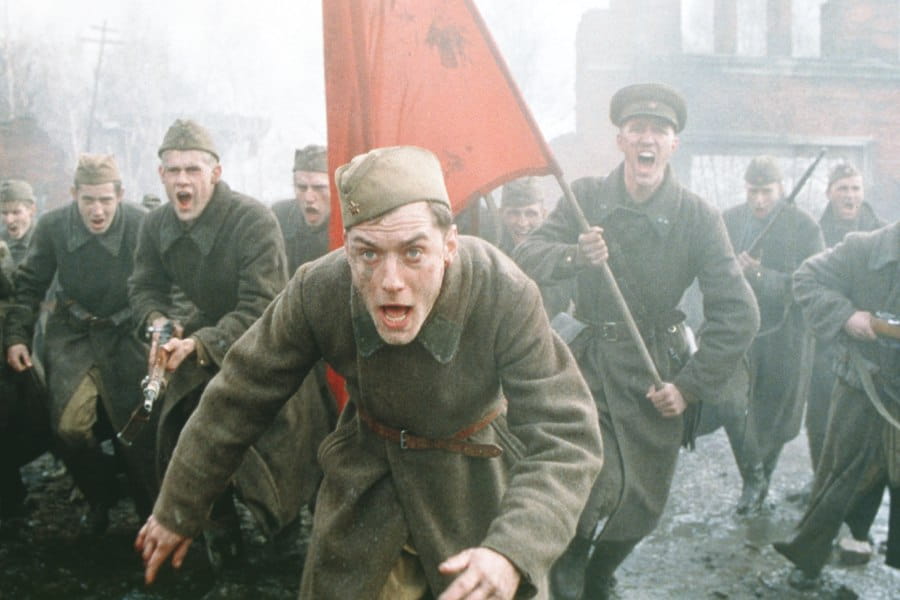
Here is another depiction of the Battle of Stalingrad. However, the 2001 film showed the perspective of the Soviet soldiers. Enemy at the Gates did a great job of showing the conditions that the residents and soldiers had to go through during the winter of 1942-1943. It also showed us the point of view of female soldiers and residents who helped the success of the Soviets. Even though a non-fiction book was used as the basis for the film, there were plenty of artistic liberties such as a love story.
Enemy At The Gates (2001)
Master And Commander: The Far Side Of The World (2003)
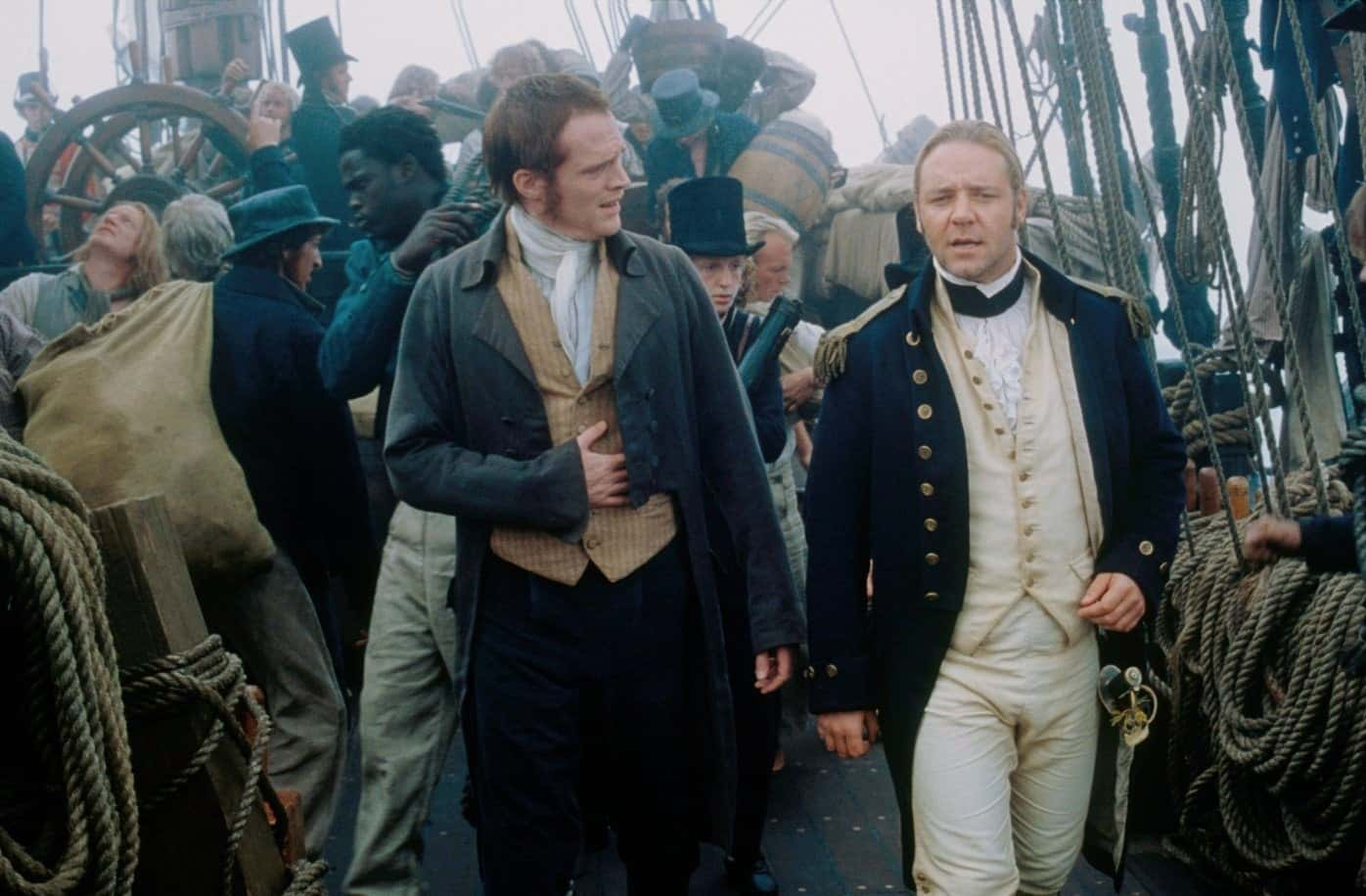
Master and Commander was set in 1805, considered the peak of the Napoleonic Wars. It follows a real friendship between a medical surgeon and a British Royal Navy captain. The film crew relied on a novel for reference, but this did not stop them from relying on historical facts. While it feels slow-paced, it did a great job of showing what a 19th century naval battle was like. Aside from that, it also gave us a masterful depiction of the antiquated medical practices of the time, as well as isolation and daily life on a ship.
Master And Commander The Far Side Of The World (2003)
Act Of Valor (2012)
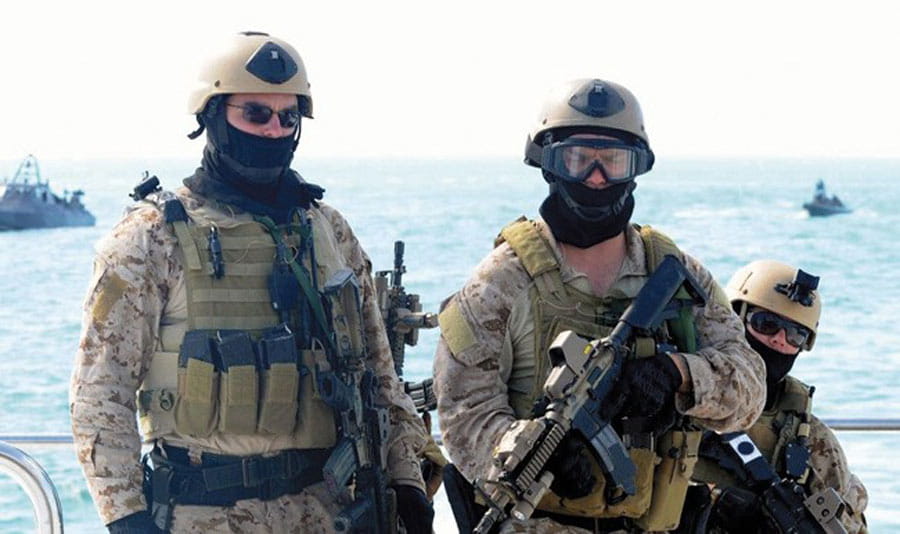
Even though Act of Valor had a totally fictionalized screenplay, the action and material are actually very accurate. The story was about a crew of Navy SEALs trying to rescue a CIA agent. When the filmmakers figured out that they could not find actors fit enough to portray the characters, they cast active SEALs to bring the story to life. Sadly, the accuracy ended up being detrimental to the film. They did not use real actors, so the acting was sub-par at best. On top of that, a film critic said that the film was best considered to be a “hybrid of documentary and fiction.”
Act Of Valor (2012)
The Great Escape (1963)
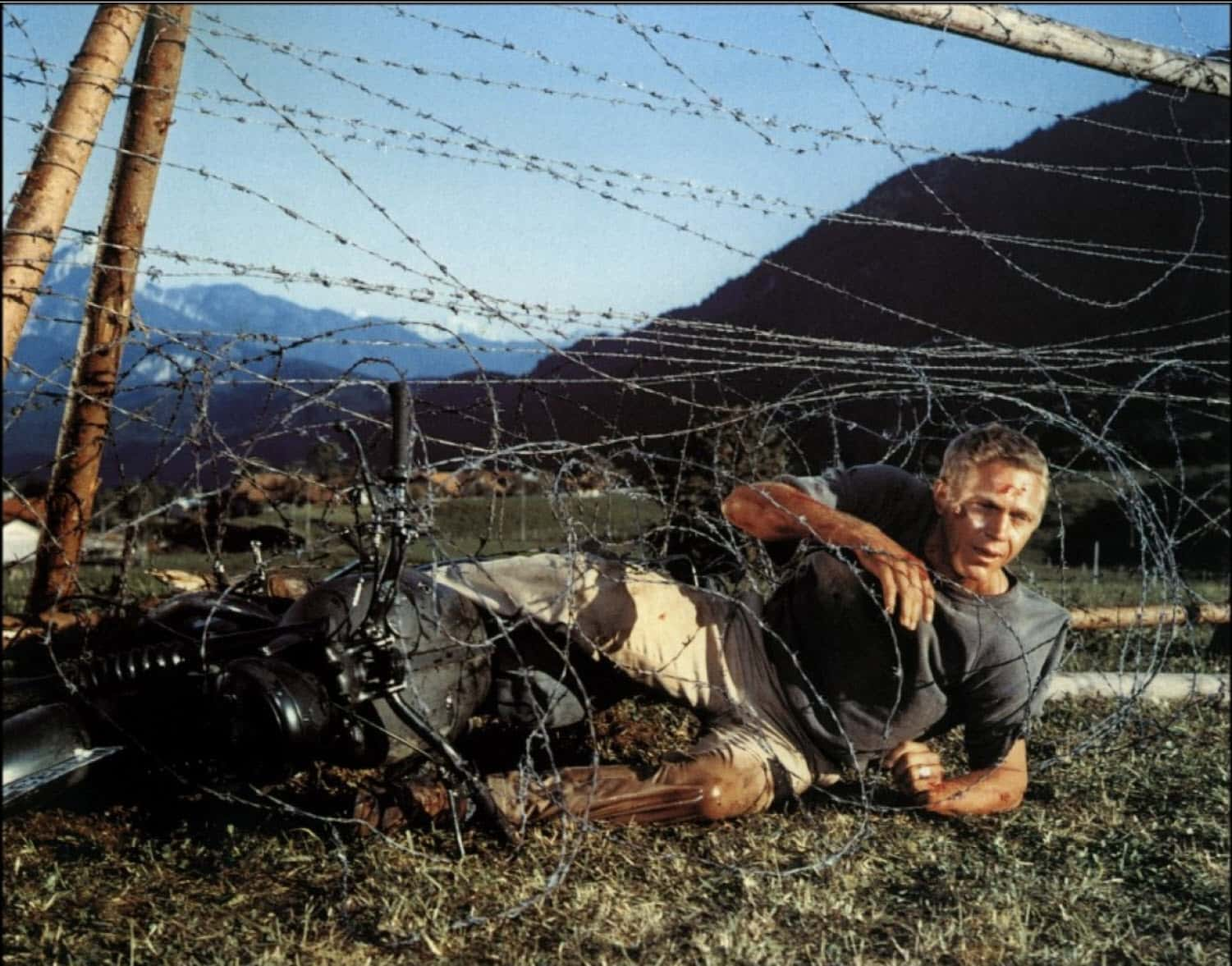
Who would have thought that one of the best-known Hollywood war films would be one of the most accurate as well? Even though it was not particularly praised for its historical accuracy, The Great Escape still stayed true to its characters and time period. As a matter of fact, many characters were based on real people! The team also shot the scenes in German settings and used a tunnel made for escape. Still, the movie paints a more Americanized perspective of this escape when in reality, it was mostly planned by Canadian and British personnel. Three escapees were Dutch and Norwegian as well.
The Great Escape (1963)
Rescue Dawn (2006)
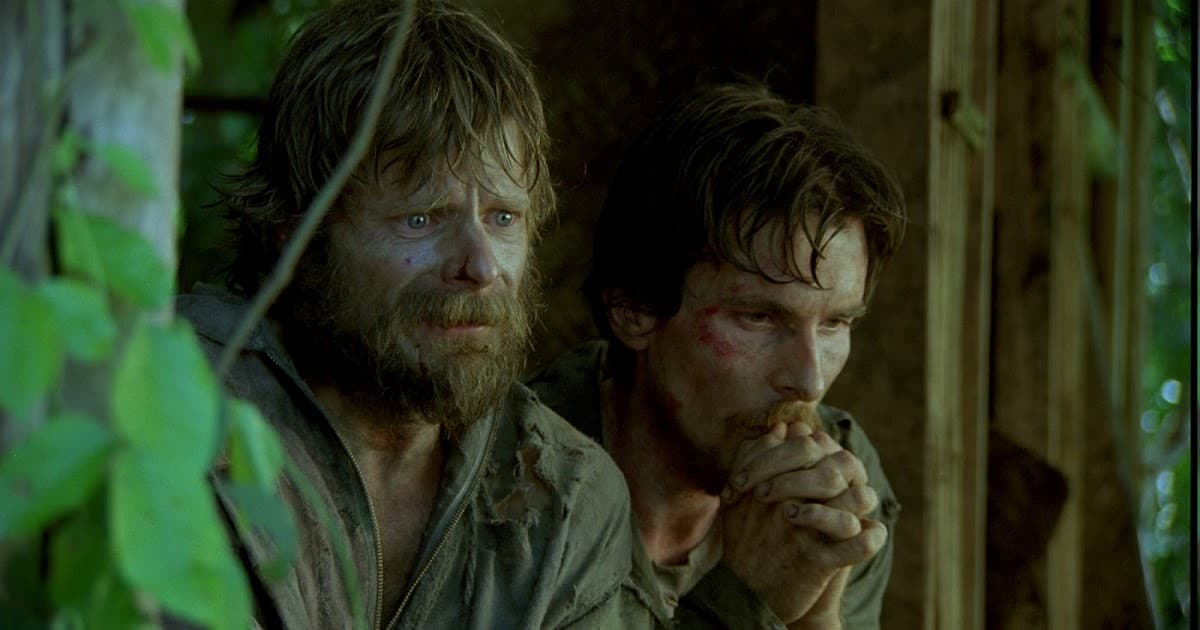
Did you know that this 2006 film was adapted from a documentary? If you haven’t seen it, the film follows the story of Dieter Dengler, a German-American pilot who was captured during the Vietnam War. He was captured, imprisoned, tortured, and eventually escaped. A lot of praise has been given to Rescue Dawn since it went to great lengths to show the daily struggles in the camp. They did change small details such as his accent and the number of prisoners held hostage, however. More importantly, it understates the worst torture that Dengler received, probably in an effort to stay PG-13.
Rescue Dawn (2006)
U-571 (2000)
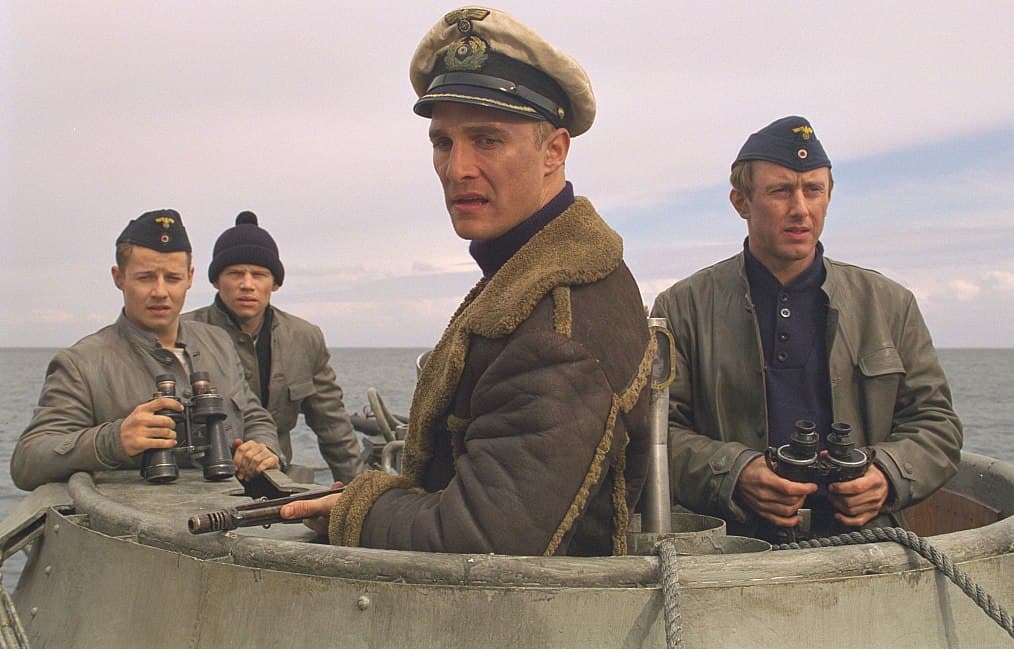
U-571 had a powerhouse of a cast with the likes of Matthew McConaughey, Jon Bon Jovi, and Harvey Keitel. It was meant to showcase the brave American soldiers who retrieved an Enigma coding device from a German sub during the Second World War. Even though they did that successfully, the truth was that HMS Bulldog from the United Kingdom accomplished this feat months before the United States even joined the war effort. The film received plenty of criticism for this since it felt like it was downplaying the efforts of other Allied nations during the war.
U-571 (2000)
Jarhead (2005)
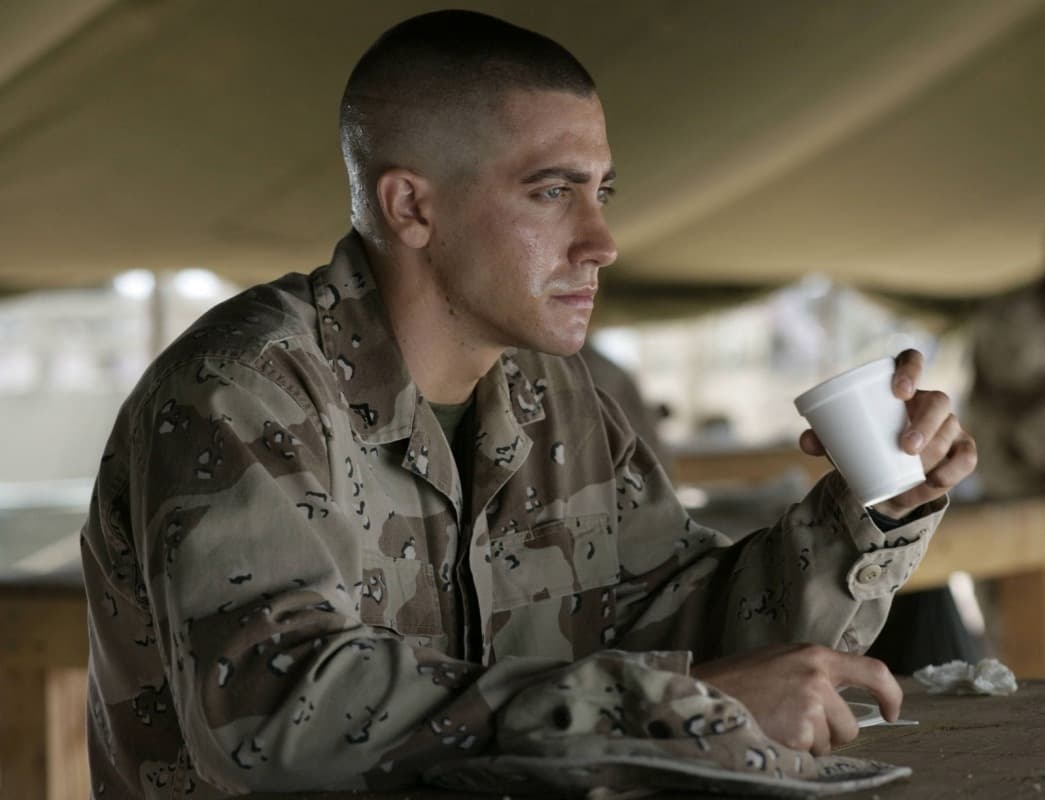
Jake Gyllenhaal played the lead role in Jarhead. The film received a lot of accolades for its depiction of the psychological hardships experienced by the U.S. troops during the first Gulf War. Despite this, ex-Marines have criticized the film. One of them explained that the mental and physical abuse was “rare and taken out of context.” The movie ended up being so controversial that the Marine Corps Office of Public Affairs had to issue a statement. It said that it had an “inaccurate” portrayal of the soldiers on top of being a “reasonable interpretation of military life.”
Jarhead (2005)
Pearl Harbor (2001)
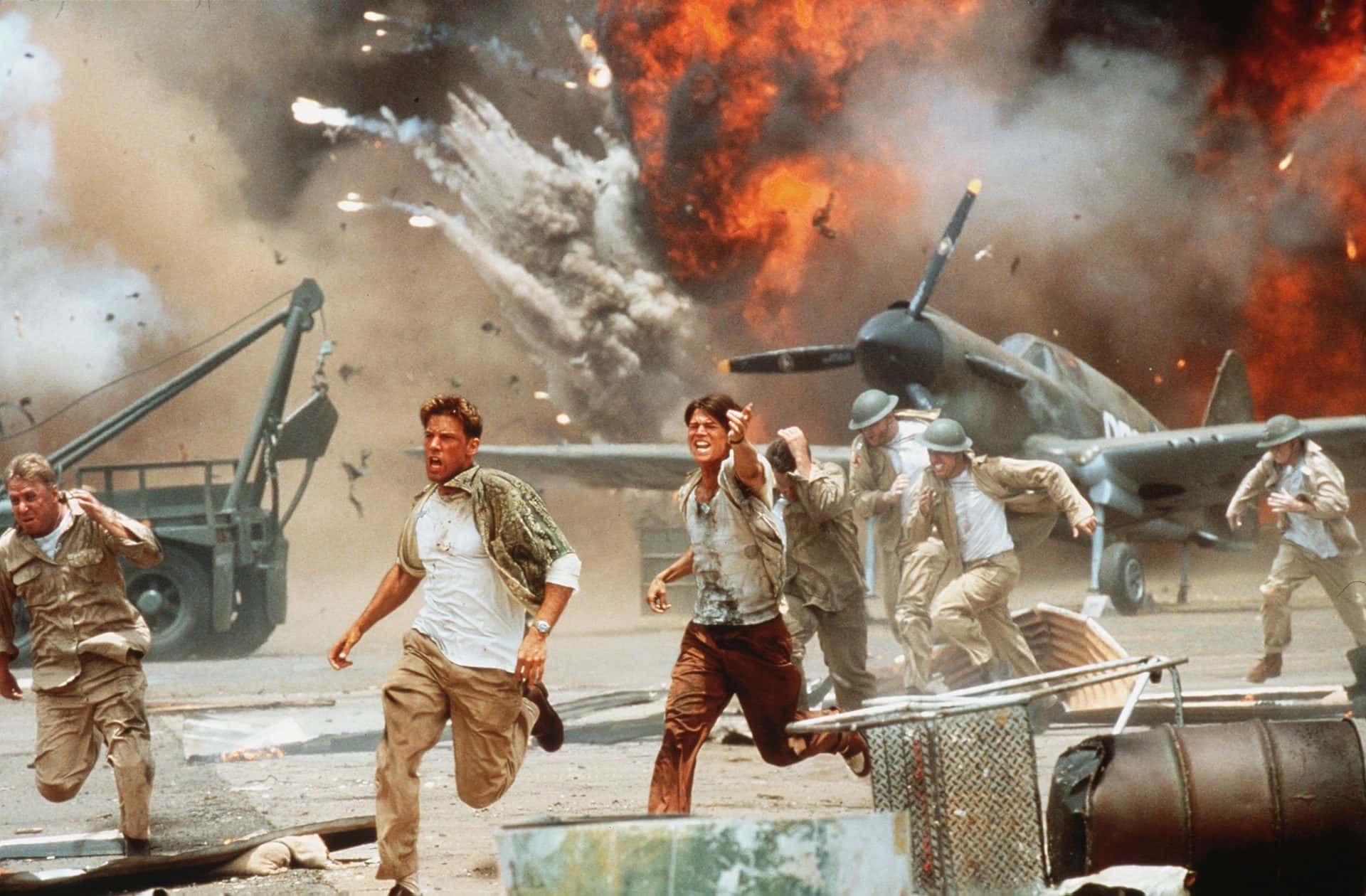
We do not even know where to begin with Pearl Harbor. The story was about one of the most terrible terrorist attacks on America, but it detracted from reality too much. First of all, it felt like the love story was the focus, while the attacks serve as nothing more than a plot device. The movie had an inaccurate plot, but director Michael Bay also used modern ships without bothering to disguise them to look more accurate. Considering who was helming the movie, there were more explosions than necessary. The cast included the likes of Ben Affleck, Alec Baldwin, and Jon Voight, but even they could not save the movie. As a testament to how bad it is, it got the Golden Raspberry for Worst Picture!
Pearl Harbor (2001)
Windtalkers (2002)
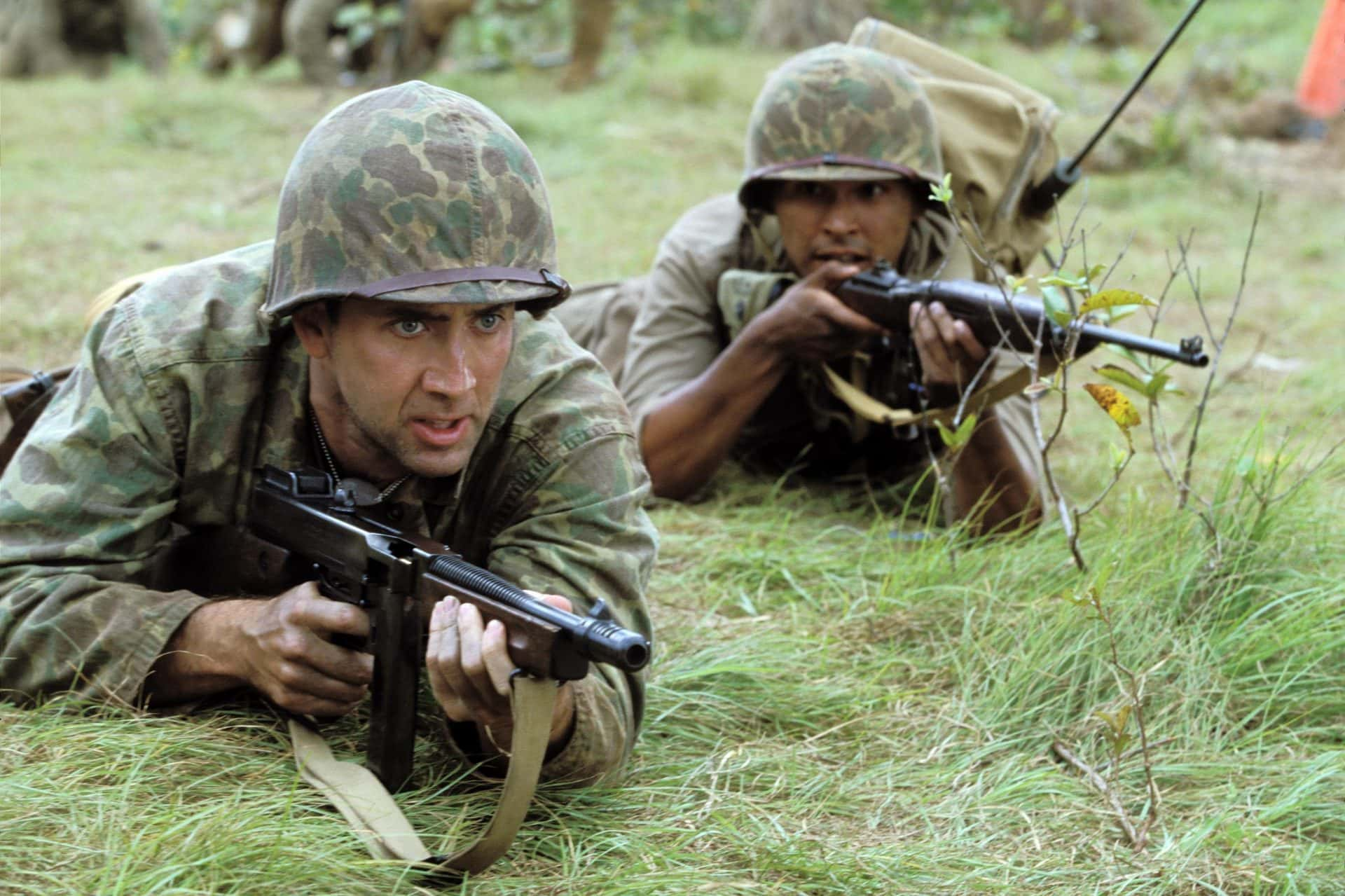
Even though Windtalkers could have been a great film, it failed to take this opportunity. It was among the first movies to talk about how important Navajo code talkers were during the Second World War. They helped American secrets from falling into the hands of the enemies. Sadly, the movie instead follows Nicholas Cage doing his best to protect a Navajo code talker and is full of inaccuracies. The late film critic Roger Ebert criticized the film because it sidelined the Navajo and used “battlefield clichés” instead of using more believable lines of dialogue.
Windtalkers (2002)
Alexander (2004)
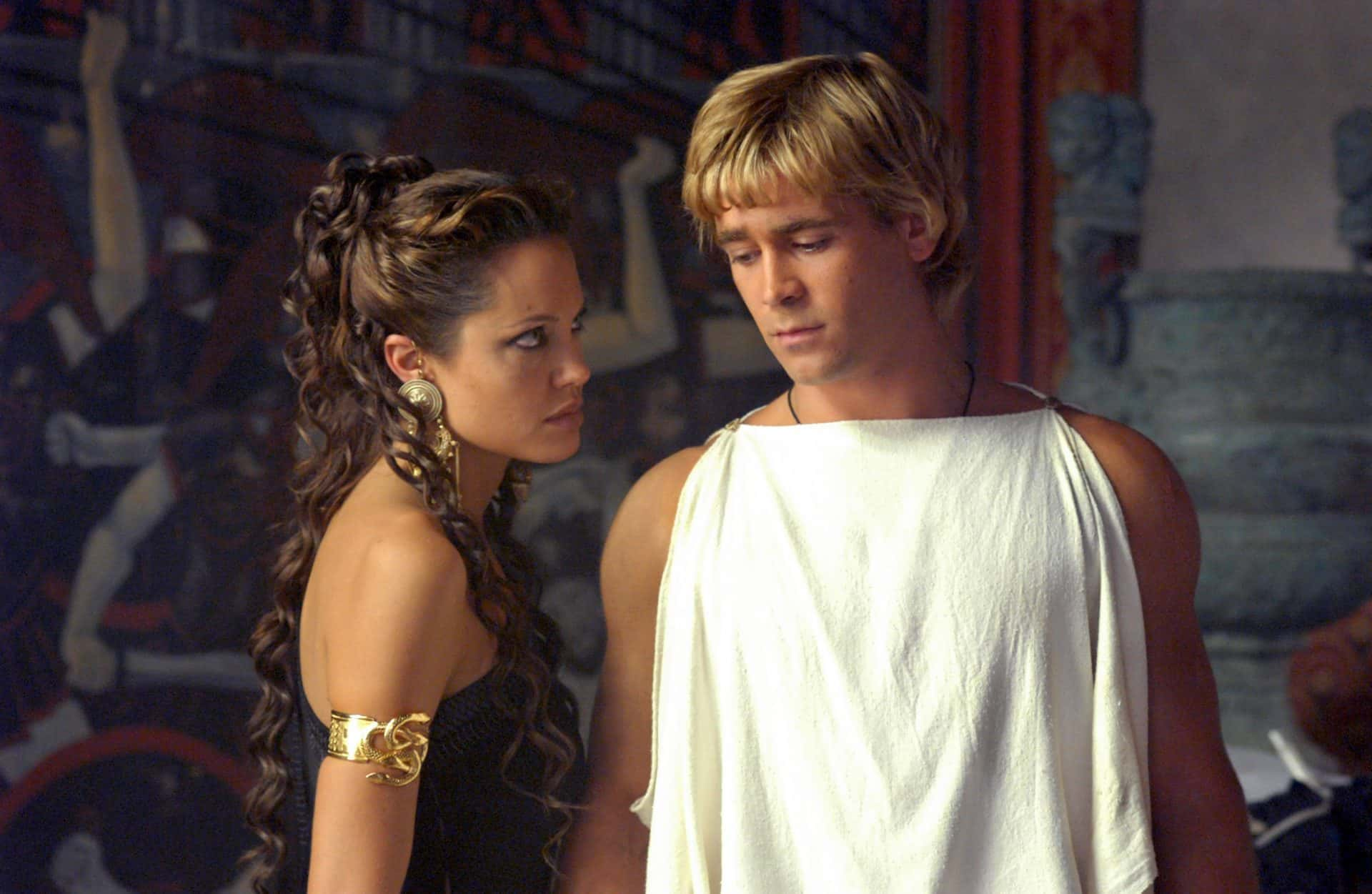
Alexander was meant to be the greatest war epic by Oliver Stone. The filmmaker made it his mission to make a film revolving around one of the most prolific warriors in history. Sadly, the end result was a watered-down retelling that mostly relied on big Hollywood stars to draw in viewers. In terms of inaccuracies, the director did not seem to care if it was not going to help the romance aspect. They skipped major wars with no second thought and even portrayed decade-long wars as just one battle!
Alexander (2004)
The Hurt Locker (2008)
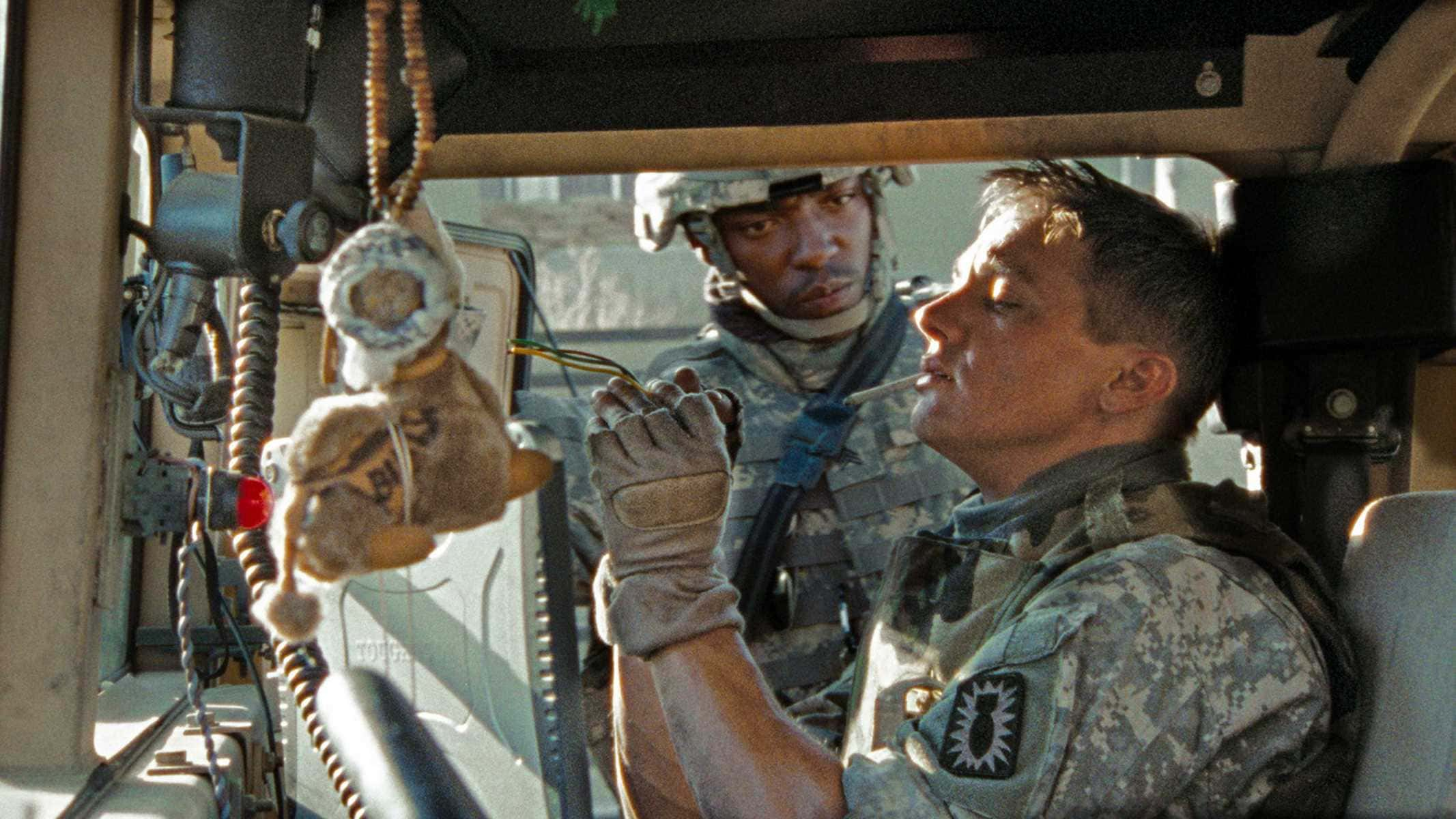
People have mixed feelings when it comes to this Kathryn Bigelow film. The Hurt Locker follows an Explosive Ordnance Disposal crew during the Iraq War. There are critics who have said that it was an intelligent film that showed men who actually take pleasure in war. Meanwhile, there are EOD vets who said that the film was absurd in its depictions of missions. The film got bashed because it made EOD personnel seem like “adrenaline junkies with no self-discipline.” Even though it might not be the most accurate film out there, it is still considered one of the greatest war piecesyo ever made.
The Hurt Locker (2008)
Red Tails (2012)
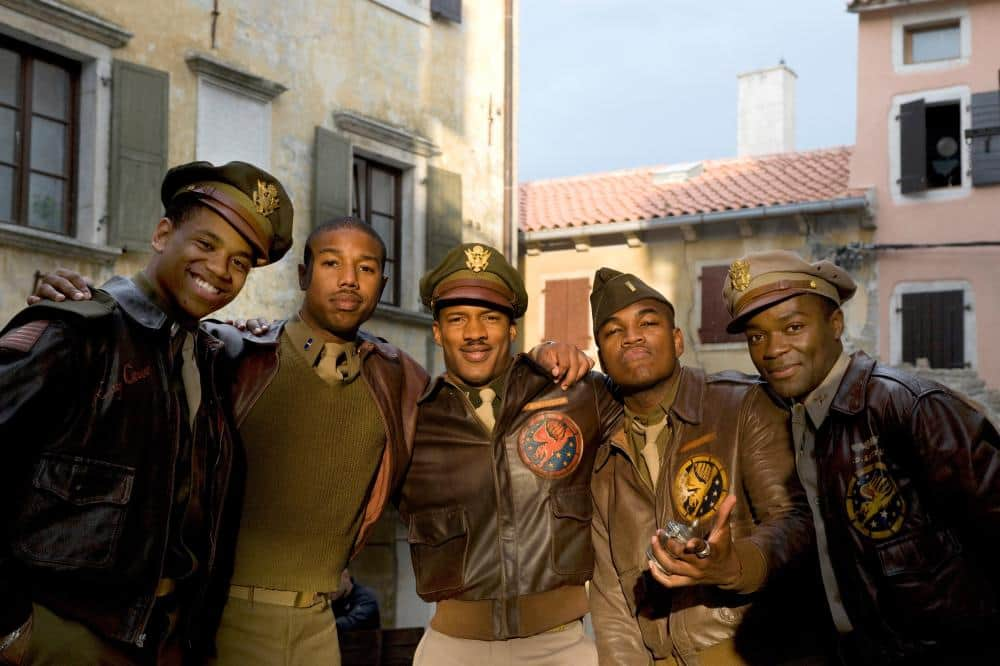
Red Tails follows the Tuskegee Airmen, the first African-American fighter squadron in the United States military. The servicemen served during the Second World War. The movie also had the opportunity to show us an accurate representation of a squadron that does not get the recognition that it deserves. Sadly, the filmmakers white-washed the film and gave it a rather patronizing tone. The filmmakers actually invented the exploits, but they were shown in a manner that made it look like true exploits. Another criticism it received was that the unit commander of the Red Tails is given a desk job, while he actually led quite a lot of bombing raids.
Red Tails (2012)
Braveheart (1995)
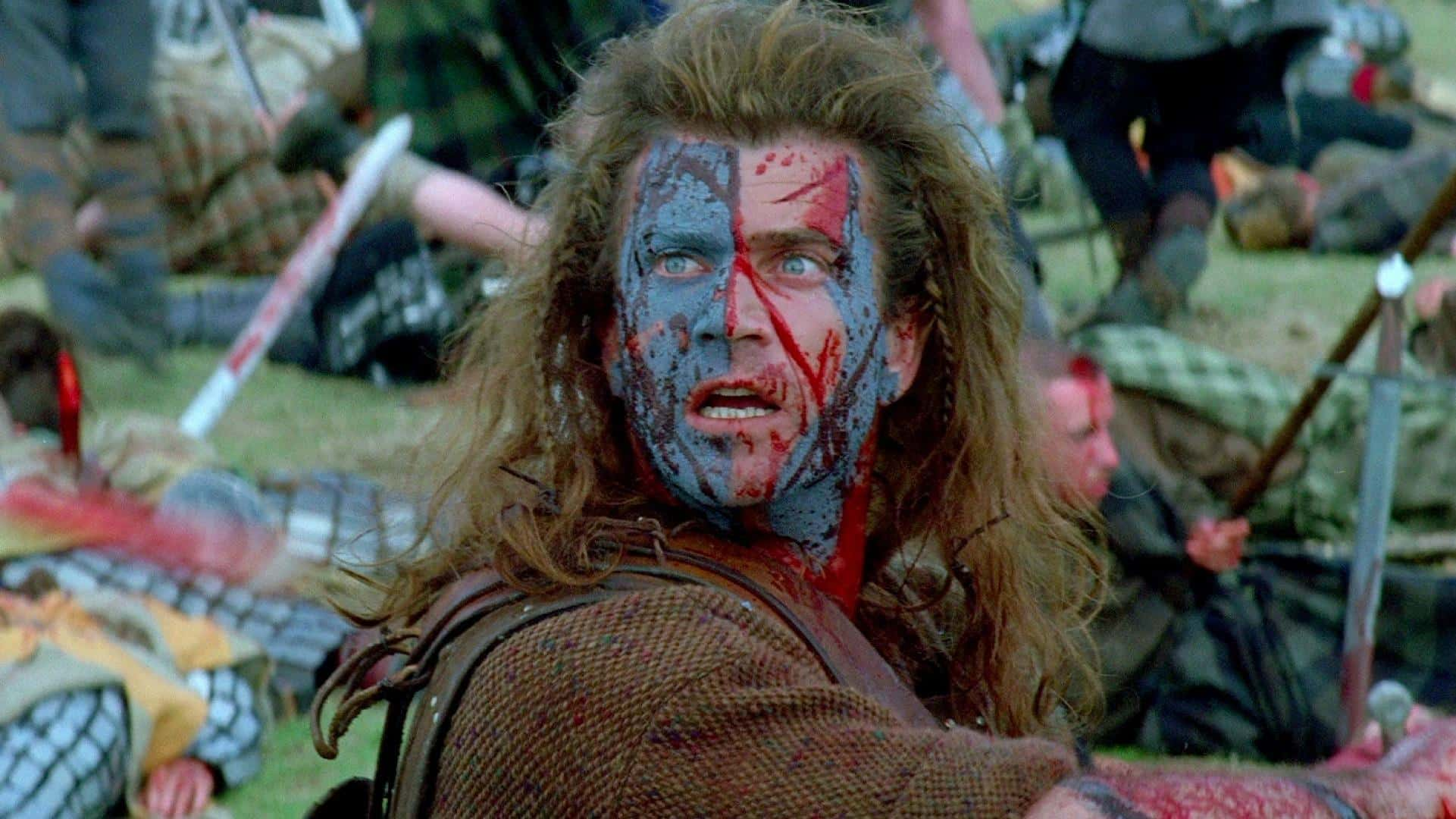
In case you did not know, Braveheart is not accurate. Among other things, the timeline was all wrong and the kilts were not in use until later on. A historian also noted that the Battle of Stirling Bridge did not actually happen on a bridge either. There are many people who will defend this film to death, and it has even been dubbed one of the greatest movies in history. We are not disputing this, but the fact of the matter is that historians have called it out for inaccuracies. This might be the case, but director and lead actor Mel Gibson stands by his choice to make the story “cinematically compelling.”
Braveheart (1995)
Gladiator (2000)
Ridley Scott really tried his hardest to make this epic Roman empire film accurate. Before working on Gladiator, he hired historians for advice when it comes to writing the screenplay. Along the way, he added changes that made some of them quit! If you need an example of a huge inaccuracy, you should know that the “fantasy helmets” were not really worn by the soldiers. On top of that, the story began when Commodus killed his father. However, this was not historically accurate at all.
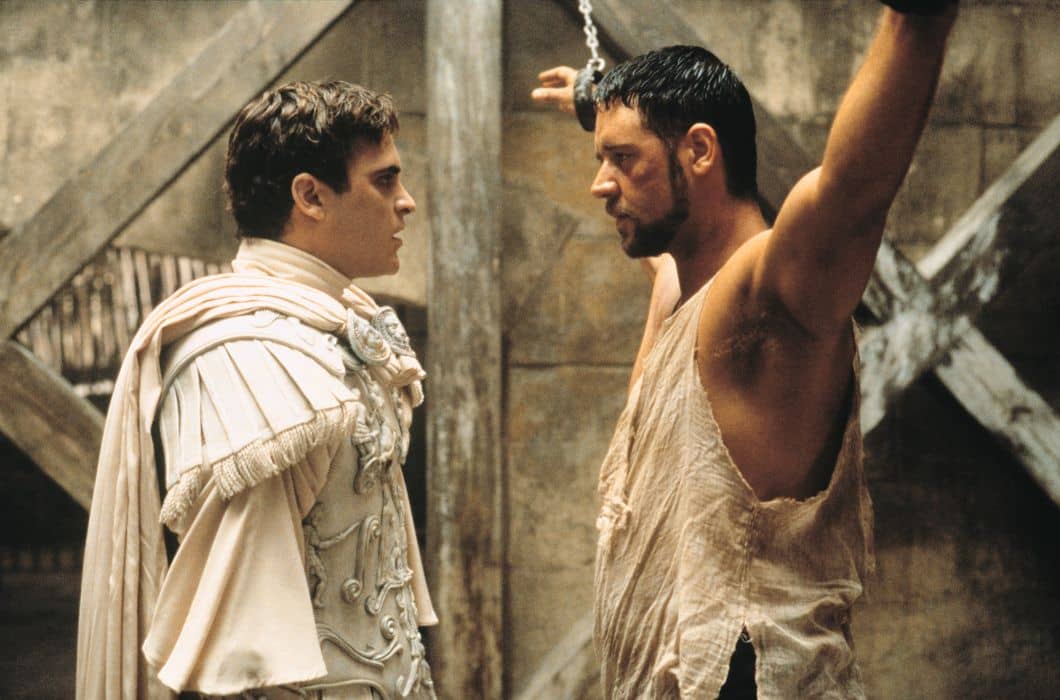
Gladiator (2000)
The Patriot (2000)
Up next, we have a different Mel Gibson film that is full of historical inaccuracies. Among these, the biggest one has something to do with Benjamin Martin, the main character. He is supposed to be a brave regular Joe fighting for the Crown and then for America during the Revolutionary War. In reality, he was based on a slave owner called Francis Marion. The film did not mention this but also disregarded slavery on the whole. This has led critics to say that it was a “complete whitewashing of history.”
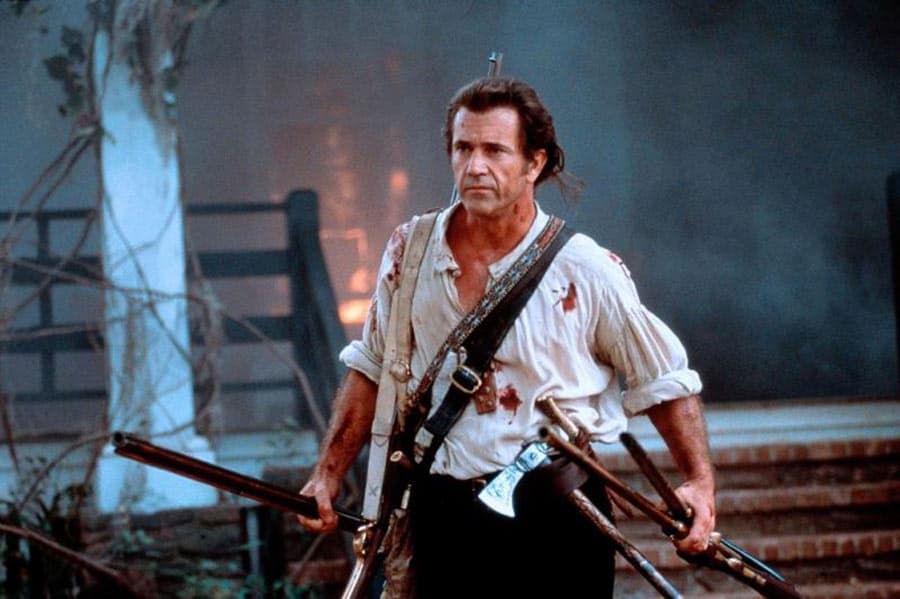
The Patriot (2000)
The Green Berets (1968)
The Green Berets is a Vietnam War film based on a book written by Robin Moore in 1965. John Wayne stars in it as an anti-Communist, pro-Vietnam War soldier. In those days, there were strong anti-Vietnam War sentiments. This was the reason POTUS Lyndon B. Johnson granted the team the full cooperation of the American military. Despite this, the movie was riddled with historical inaccuracies. A lot of critics said that the film wanted to portray a complex war using a “cowboys and Indians” format.
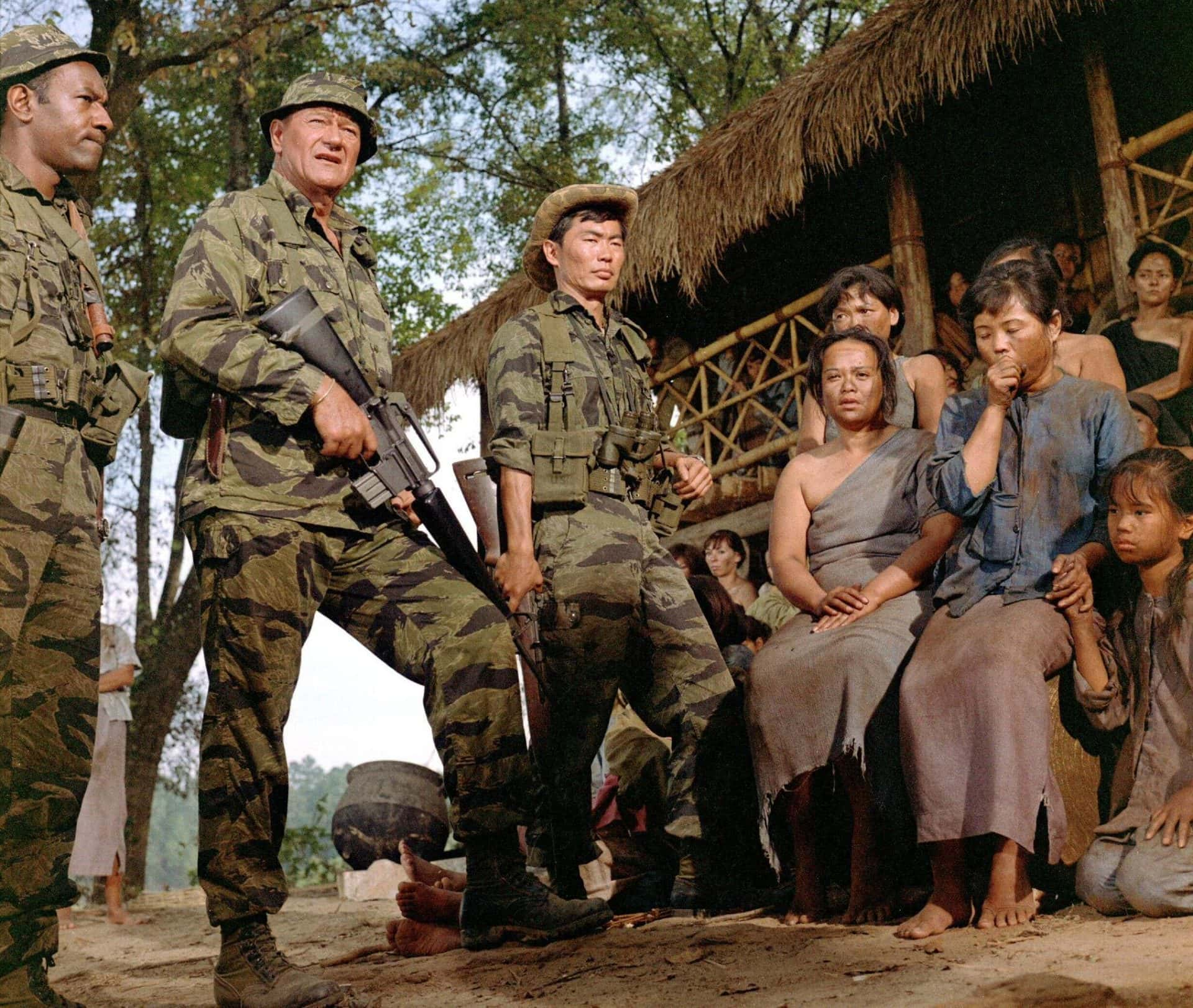
The Green Berets (1968)
Flyboys (2006)
The World War I film Flyboys follows young men who train to be fighter pilots and join the French aerial dogfights. All of the characters were base on real men from the Lafayette Flying Corps squadron, although the equipment and military tactics are not accurate. For one thing, the aircraft used for the film were not around when the Great War was raging. Not just that, but the planes were painted red to distinguish them from background planes. There was no way such a thing happened in real life!
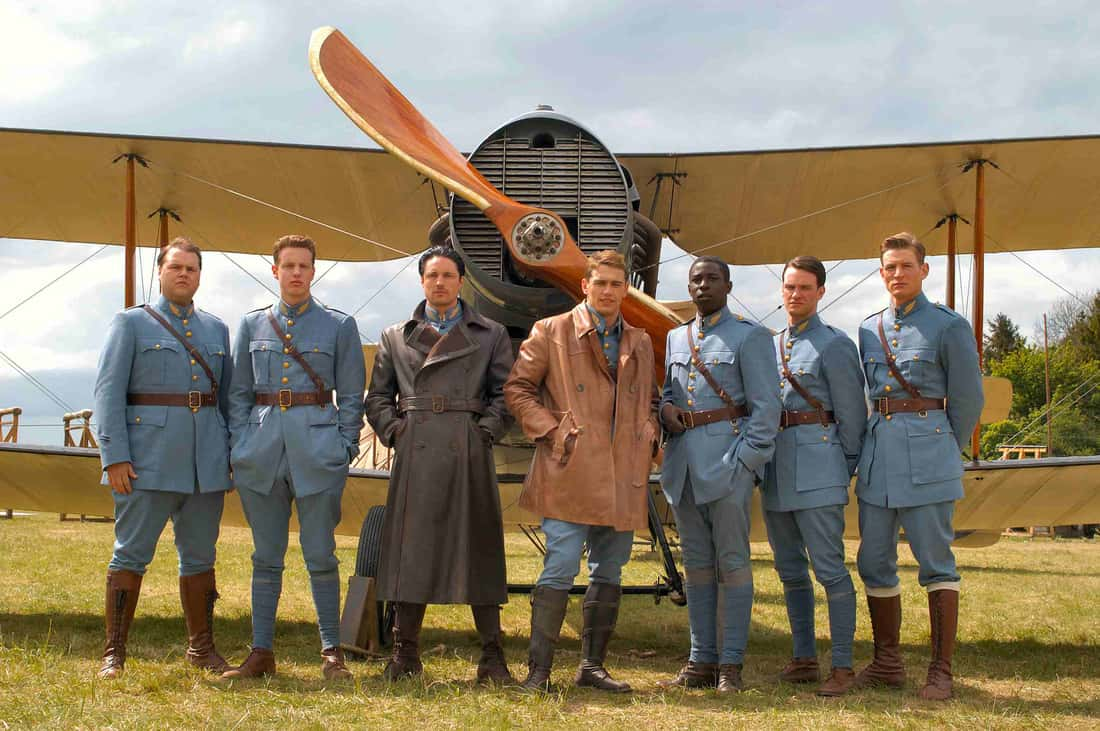
Flyboys (2006)
The Battle Of The Bulge (1965)
Warner Bros. created this 1965 film about the famous Battle of the Bulge, which took place in 1945. In terms of historical inaccuracies, the movie failed to get the tanks right. They messed up both the equipment and tanks of both the Axis and Allied forces, but the maneuvers are totally wrong as well. If you watch the film, you will notice that the tanks drive through flat terrain that is not covered in snow. You will think that it was a gorgeous summer day! The truth was that they had been advancing through the difficult terrain of the Ardennes in the snow.
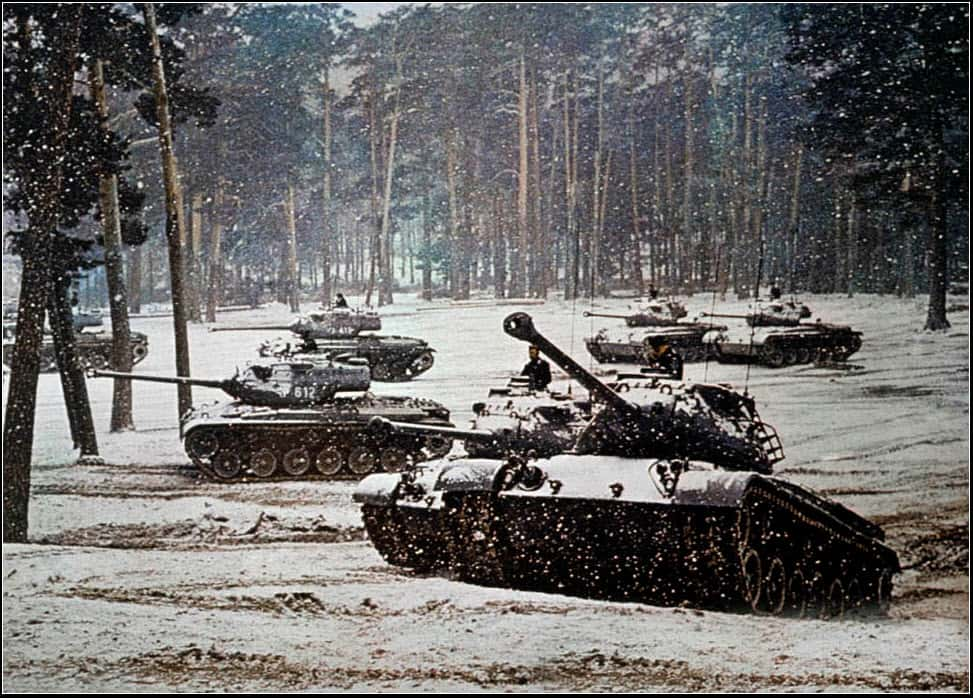
The Battle Of The Bulge (1965)
Dunkirk (2017)
While Dunkirk got a lot of praise and accolades, it was not particularly fateful to historical facts. Sadly, there were a lot of issues that director Chris Nolan failed to avoid. The character played by Kenneth Branagh was criticized as he felt like a composite character. People had a hard time believing that he could lead the evacuation on his own by doing nothing more than resting on the edge of the ship. Aside from that, the movie did not show the importance of the African, Indian, and French soldiers.
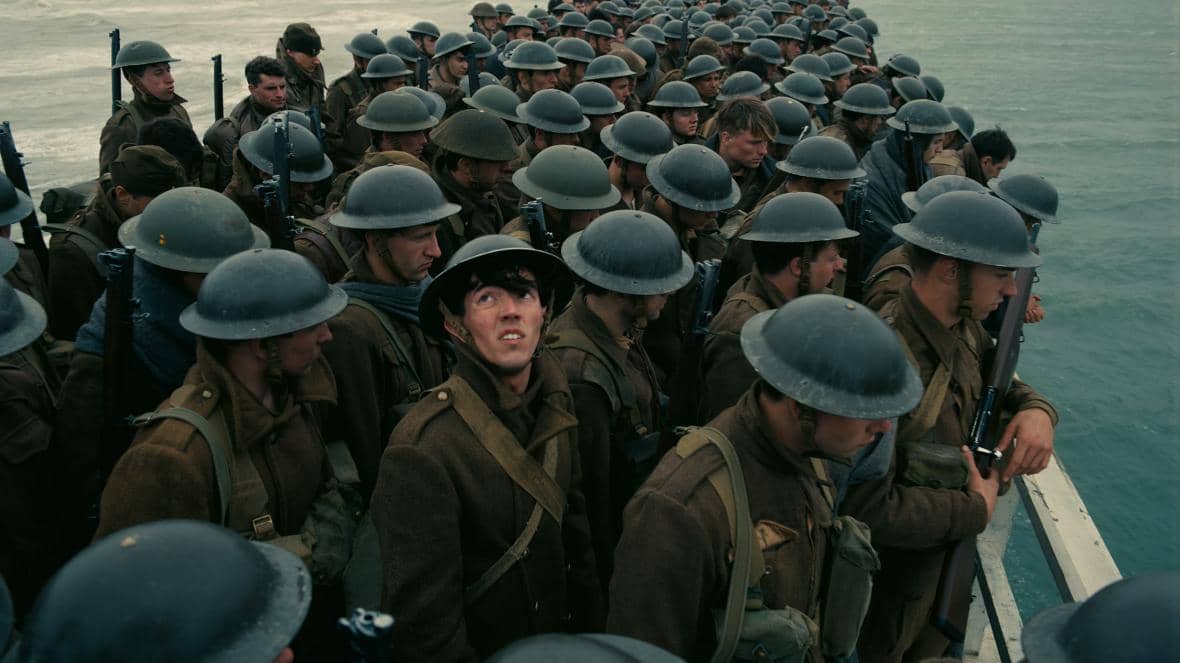
Dunkirk (2017)
Inchon (1982)
Laurence Olivier played Gen. Douglas MacArthur in Inchon. The film was supposed to show the Battle of Inchon, considered to be a pivotal point of the Korean War. With its $30 million budget, people had high hopes that it would be a great movie. Sadly, it ended up falling flat. You can blame all of these things to the bad acting, bad producing, and the use of cut-outs instead of extras. If you want to see how bad it was, you should know that folks have referred to it as a worse iteration of The Green Berets.
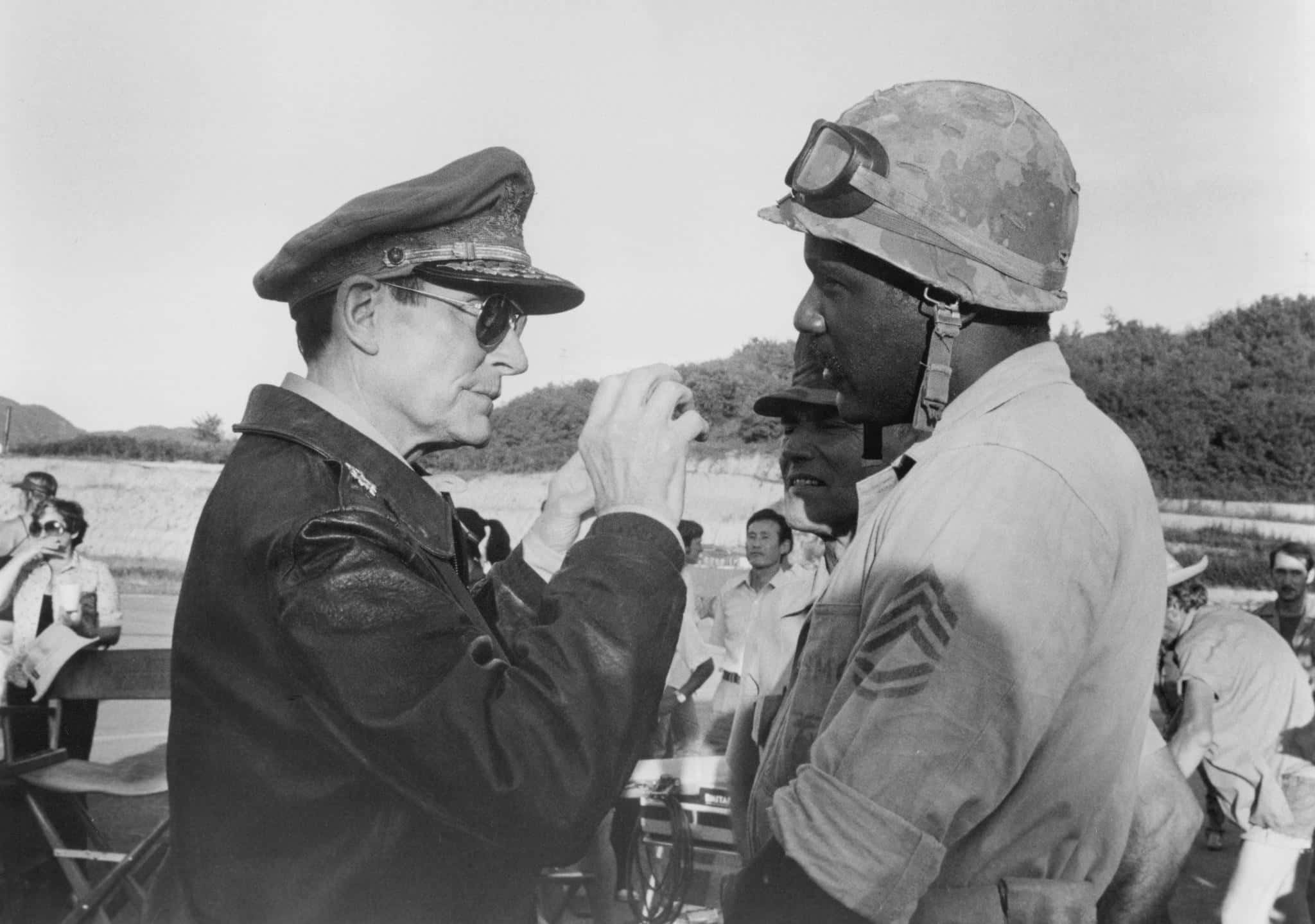
Inchon (1982)
The Last Samurai (2003)
Even though it was a “good-intentioned” film, The Last Samurai did not make the cut either. It follows an American regiment captain trying to Westernize samurai forces in 19th century Japan. The dialogue and costumes are quite accurate, but the plotline is a little lacking. Tom Cruise taught the Japanese warriors to shoot muskets in one scene, but this caught the attention of critics. However, the soldiers should have known how to use rifles by that point in time. Aside from this, the filmmakers showed the Japanese samurais as noblemen interested in “the greater good.” The truth was that they were more similar to the mafia.
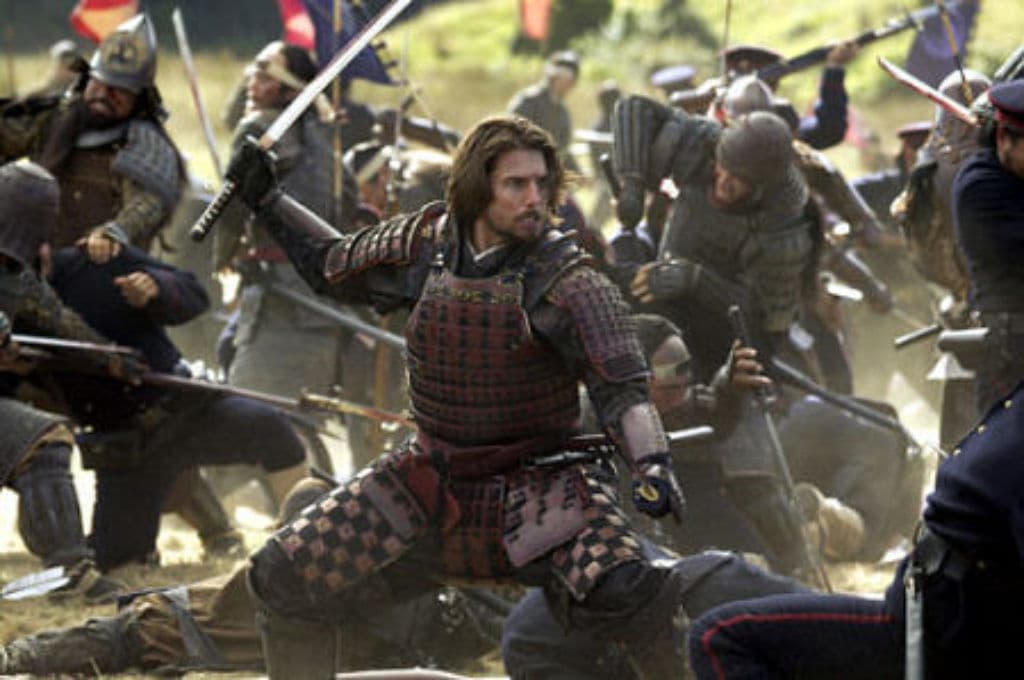
The Last Samurai (2003)
Revolution (1985)
Do you want to know how bad Revolution was? The American Revolution war film was so bad that it made Al Pachino stop acting for years. It follows a fur trapper who landed in the middle of the Revolutionary War after his child becomes a drummer boy. Its dialogue and characters were not only bad, but historical inaccuracies also riddled the film all throughout. The plot, geography, and plot had far too many clichés. The film also botched how the Battle of Yorktown really went down.
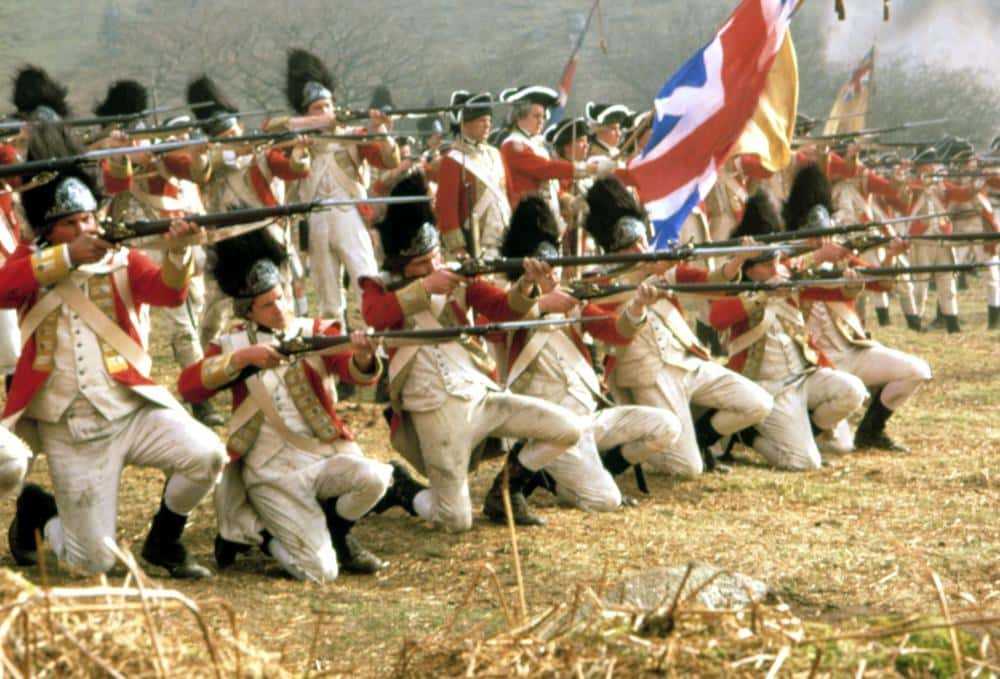
Revolution (1985)
The Red Baron (1971)
Also known as Von Richthofen and Brown, the 1971 movie focuses on a conflict between fighter pilots facing off against one another during the First World War. The film uses the real names and stories of the people involved, but everything else is fictionalized from top to bottom. It had a bad script and a small budget, so it was unable to portray the story with any aerial accuracy. To top it off, a person actually passed away while they were taping the film.
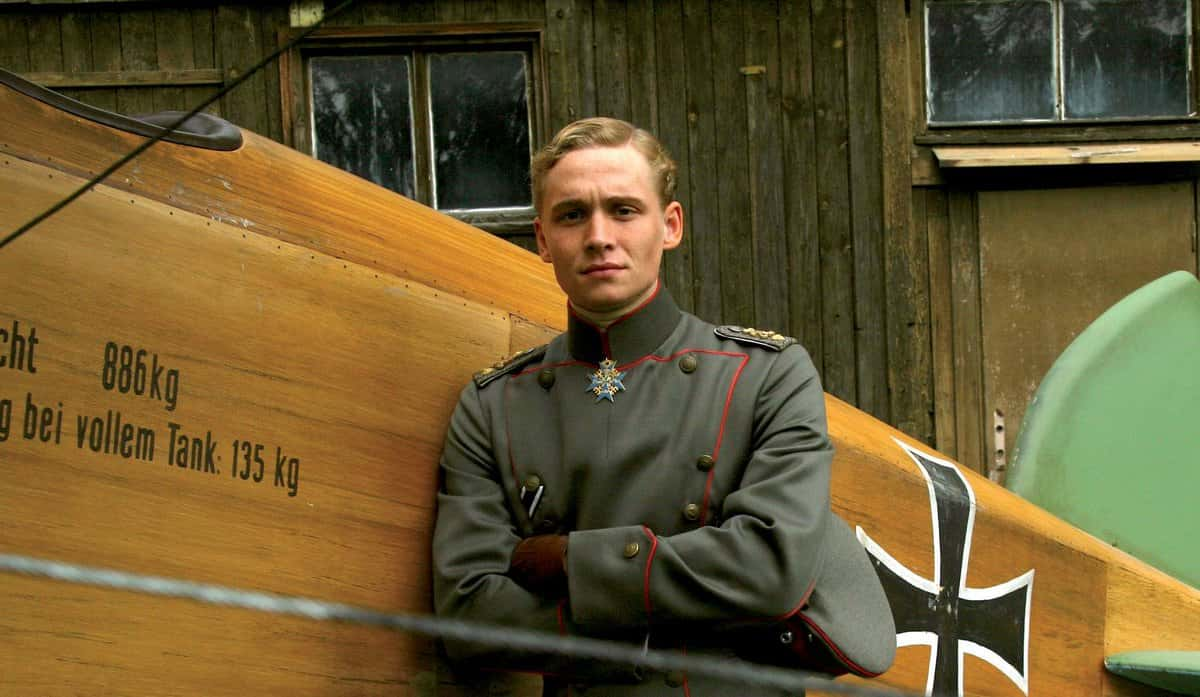
The Red Baron (1971)
The Finest Hour (1991)
Set in the time of the Gulf War, The Finest Hour could have been better if it used a different setting. The plot revolves around two best pals both in the NAVY SEALs. When their friendship is tested by a woman, “it takes a war to bring them back together.” We see why the film was criticized for allegedly making light of the war and using a bad cliché to do so. With so many inaccurate military details, the movie feels like it cares a lot more about the love story instead of the war. The good news is that it was fun to see Rob Lowe with a silly mustache!
The Finest Hour (1991)
Green Zone (2010)
Green Zone was based on a 2006 book about the 2003 invasion of Iraq. The movie stars Matt Damon in the role of U.S. Army Chief Roy Miller. His task was to sort out which information is fake, and which is real. However, what made the film so problematic was that it turned a real account into a conspiracy theory. A lot of critics thought that the film tried to hide the failures of the writing using a lot of action. It did not help that the action and costumes are not realistic either.
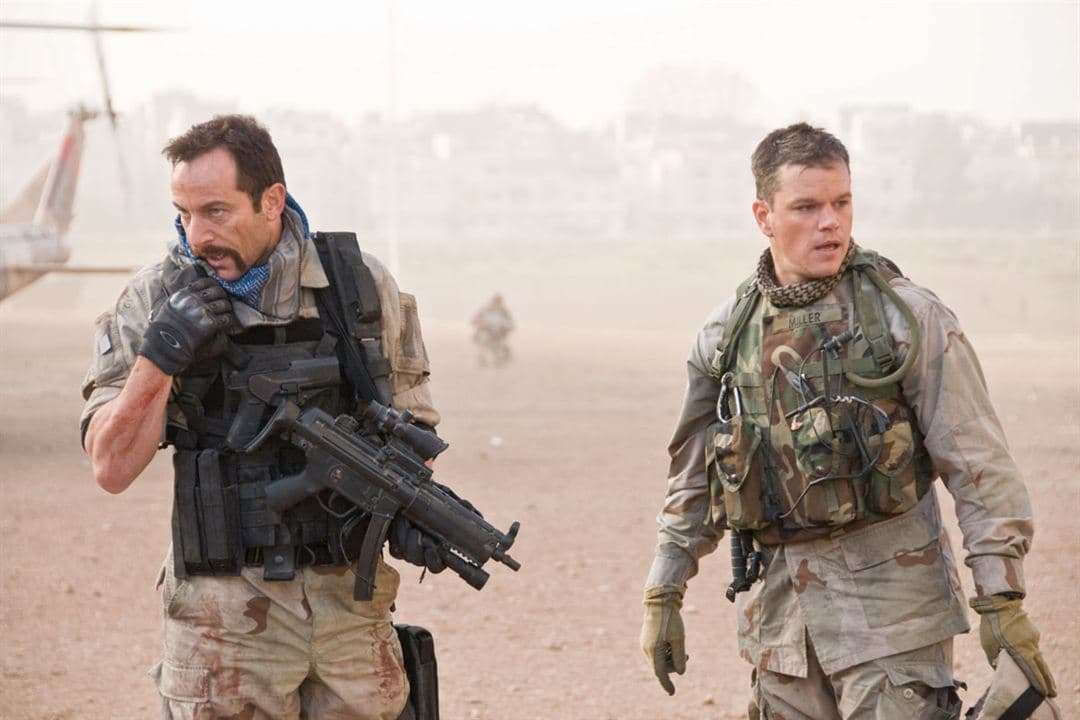
Green Zone (2010)
Pan’s Labyrinth (2006)
Technically speaking, the 2006 film Pan’s Labyrinth, isn’t exactly war-related. The Spanish-Mexican dark fantasy film was set against the Spanish Civil War, Director, and co-producer Guillermo del Toro gives viewers a strange look into the era as a fantastical triumph and a welcome respite from the obvious war genre. This movie received great reviews from all over the world.

Pan’s Labyrinth (2006)
Inglourious Basterds (2009)
Quentin Tarantino is a legend, to say the least. Inglorious Basterds is a magnificent film that is a darkly hilarious satire of WWII. It is also said to be one of the best Quentin Tarantino films. When a group of Jewish-Americans voluntarily enlists under the command of Lt. Aldo Raine (played by Brad Pitt), they take on the hardened battle tactics of the Apache warriors, showing no mercy and taking scalps as trophies of war. A definite must-watch if you haven’t seen this one yet.

Inglourious Basterds (2009)
Platoon (1986)
Platoon is somewhat of an older film but is considered to be one of the best movies on Netflix. Platoon is a proper adaptation of the many things that can go wrong in the human mind when pushed to its limit. A young man, who is played by the amazing Charlie Sheen with a longing for glory enlists in the Vietnam war but quickly realizes the costs that come with the position. Especially when they are forced to treat the locals in a way he doesn’t agree with. The film is more of a psychological thriller than a war movie.

Platoon (1986)
The Thin Red Line (1998)
The Thin Red Line is unique to this list but nevertheless still a great movie. The film explores the particular fighting styles and strategies used by the Japanese infantry during their island warfare, where the line between morality and victory was compromised. Released in 1998, many people deem this as one of the best of its genre and of course an outstanding introspective film about war.

The Thin Red Line (1998)
Gallipoli (1981)
Gallipoli is an Australian movie that gives insight into World War I. Starring Mel Gibson, the film was praised by numerous critics, completely swept Australian film awards, and still remains one of the greatest war epics of all time. Many have described the movie as a “compelling and engaging story”. While others found the film “completely breathtaking”. Now, let’s take a look at some incredible photos from the Second World War you may not have seen before…

Gallipoli (1981)
Though the Great War was meant to be “the war to end all wars”, several things contributed to the eruption of World War II just 21 years later. Like its predecessor, the Second World War left unforgettable scars on those who lived through it. Moreover, this period has left its mark on the society that we currently live in. Let us take a look back at pictures from World War II that you probably haven’t seen before. When it comes to this important portion of history, we’ll just let the pictures do the talking.
Worthless Money
The years before World War II erupted, Germany was experiencing terrible inflation. Thanks to this, the currency of the European nation was practically useless! This was, in part, attributed to the conditions set by the Treaty of Versailles and the conclusion of the Great War. Here, you can see children stack hundreds of technically useless bills. Adolf Hitler used this national disaster to launch his propaganda against the Jews.

Worthless Money
Hermann Goering’s Collection
After the war ended, the Allies discovered many of the private art collections of the Nazis. Before they got their hands on the artifacts and artworks, these were displayed and kept in art museums in France and other countries. The picture you see shows Hermann Goering’s personal collection of stolen art.

Hermann Goering’s Collection
Seeing The Truth
Once the Germans were defeated, many soldiers insisted that they were unaware of the atrocities being carried out by the higher-ups. Take a look at the moment these German soldiers were shown footage of the Nazi-run concentration camps. As you can see, these soldiers could simply not believe what they were seeing.

Seeing The Truth
Saving Civilians
This American soldier offers his hand to help a Japanese woman and her child come out from their hiding spot. The Japanese emperor actually told his citizens to kill themselves instead of surrendering to the enemies. The propaganda obviously made the Japanese citizens fear for their safety. They were told that American soldiers were murderers and rapists.

Saving Civilians
Hungarian Mini Tanks
It is an undeniable fact that technological innovations are given priority whenever there is an ongoing war. At the time, these Hungarian mini tanks were new inventions made to help the war effort. However, they were apparently not very effective.

Hungarian Mini Tanks
Homeless Japanese Citizens
Japanese cities suffered a lot of destruction during the Pacific War. The saddest thing about this is that the citizens suffered the most from the bombings. In this photograph, you can see local men attempt to start again even though they had very little left to their name.

Homeless Japanese Citizens
Hitler’s Retreat
Here, you can see Hitler’s famous retreat home in the scenic hills of Berchtesgaden. This was taken as an American plane flew over its ruins. The photograph shows an estate that had been heavily bombed.

Hitler’s Retreat
Female Tank Commander
Back then, the Soviet Army did not have a lot of female officers. However, they produced some of the best soldiers in the war. Case in point: Aleksandra Samusenko. She led her crew to safety when her unit was ambushed and her commanding officer was killed in the Battle of Kursk.

Female Tank Commander
Close Kamikaze Call
A key strategy in the Pacific theater was the Japanese kamikaze pilots. They were suicide bombers deployed to target the American warships. On some occasions, the naval forces were able to disable kamikaze planes by shooting at them before the soldiers jumped.

Close Kamikaze Call
Strange Tactics
Aside from technological innovations, tactics were also adapted to fit the way the war was going. It is bewildering to see this bear with German soldiers. It is actually a man wearing a bear suit and he was probably planted in the forest wearing his unorthodox camouflage gear.

Strange Tactics
A Moment’s Silence
It’s reassuring to hear that these U.S. Marines were able to get some downtime even when they were in the middle of the battlefield. We have to say that it provides a great contrast to the destruction around them.

A Moment’s Silence
An Odd Lighter
These two German soldiers appear to have found an unusual way to light cigarettes. The lighter they are using in this photo? Yes, it’s actually a flamethrower.

An Odd Lighter
Queen Elizabeth
Queen Elizabeth II might have been in line for the throne at the time, though she knew she had to contribute to the war effort. She worked as a mechanic and driver in the Second World War. Moreover, she honed her shooting skills right on the lawns of Buckingham Palace. This is definitely one of the most images on our list, right?

Queen Elizabeth
Belgian Beer
Here, you can see these Canadian soldiers kicking it back with glasses of local beer. Belgium was completely liberated by the Allies on February 4, 1945. As hard as the war was for everyone, soldiers still tried to take a break and enjoy life.

Belgian Beer
The Crowds Gather
This impressive photo of the French liberation was taken from the top of the Arc de Triomphe. When the people realized that they were finally free from the Nazis, the whole country erupted into cheers. Quite spectacular!

The Crowds Gather
D-Day Scenes
We have to say that the Allied soldiers deserved to take it easy after the successful invasion of Normandy on June 6, 1944. You can see these American soldiers leading the German soldiers away after D-Day.

D-Day Scenes
Feeding Polar Bears
These Soviet tank-infantry soldiers had to report to duty in the harsh cold. However, the cold was not the only thing they had to worry about. We are sure that hungry polar bears were just as much of a nuisance.

Feeding Polar Bears
Flight Photographers
The heroes in the war do not always carry a firearm – some of them had been carrying cameras! Mind you, the equipment they used was way bulkier than the cameras we know now. These brave aerial photographers pose right in front of an aircraft before they split up to document history as it happened.

Flight Photographers
Germany’s Railway Gun
This gigantic artillery gun was meant to be Germany’s ace during the Second World War. This weapon weighed 1,350 tons and traveled on train tracks to attack from as far as 47 kilometers. It could shoot a round after 30 to 45 minutes.

Germany’s Railway Gun
The Railway Gun Captured
The photo shows American soldiers as they stood on top of the “Schwerer Gustav” gun. Clearly, the men were proud that they captured this enormous gun. Moreover, you are probably getting an idea of how much effort the Germans put into creating new pieces of weaponry for the war.

The Railway Gun Captured