
Many of the world’s most well-known companies, such as Starbucks and Apple, had their start in the United States. These businesses began as start-ups before becoming industry titans. On the other hand, the business world is never as simple as it appears. Even though a company is created in the United States, it is not necessary to stay there indefinitely. Many of these companies, you may be astonished to learn, are no longer American. Foreign investment benefits a wide range of enterprises, including IBM, Ben & Jerry’s, and even Holiday Inn. Many firms would have been forced to close if they had not acted quickly.
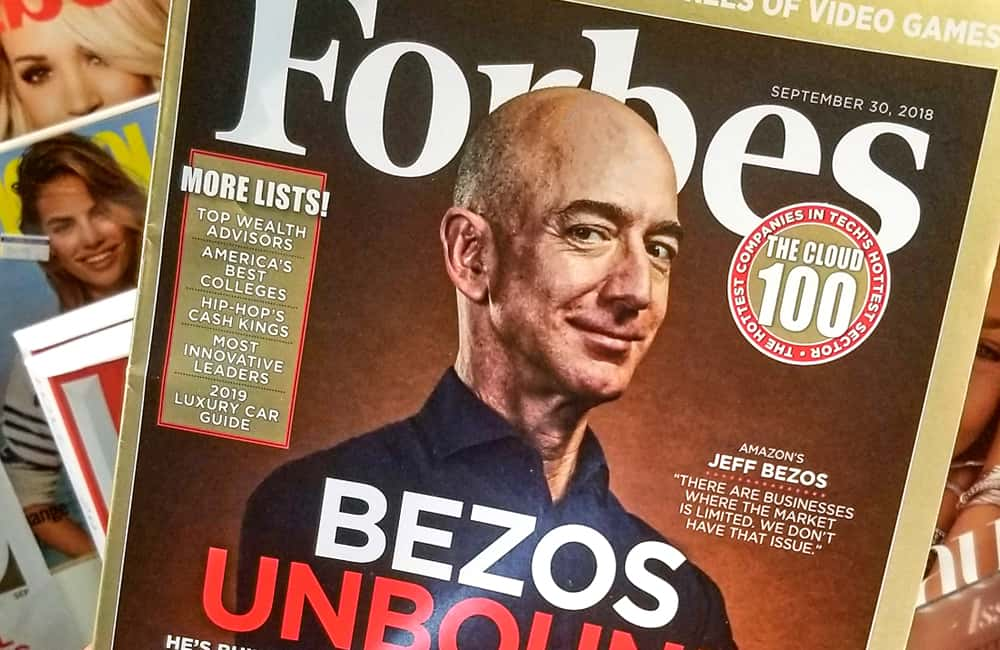
Companies That Are Not American Made, But Everyone Believes They Are!
General Electric
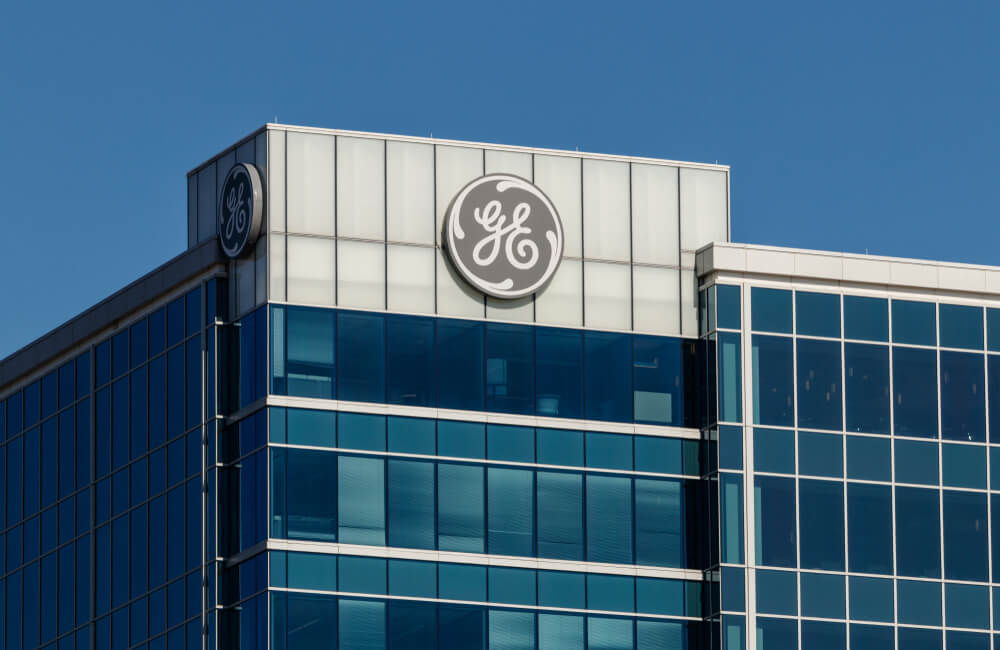
General Electric was a relatively new firm when it began operations in 1982. Despite this, it has grown in popularity since then. Since then, it has grown into a variety of other industries, including healthcare, aviation, venture capital, and even renewable energy. This is one of those companies that makes you feel like you’re shopping at a local store because of the “Made in America” stamp on the products. However, Haier, a Chinese conglomerate, has been the company’s principal shareholder since 2016. To put this in context, acquiring GE costs $5.4 billion. While the items are still built in the US, the decisions are still made in China.
General Electric
AMC
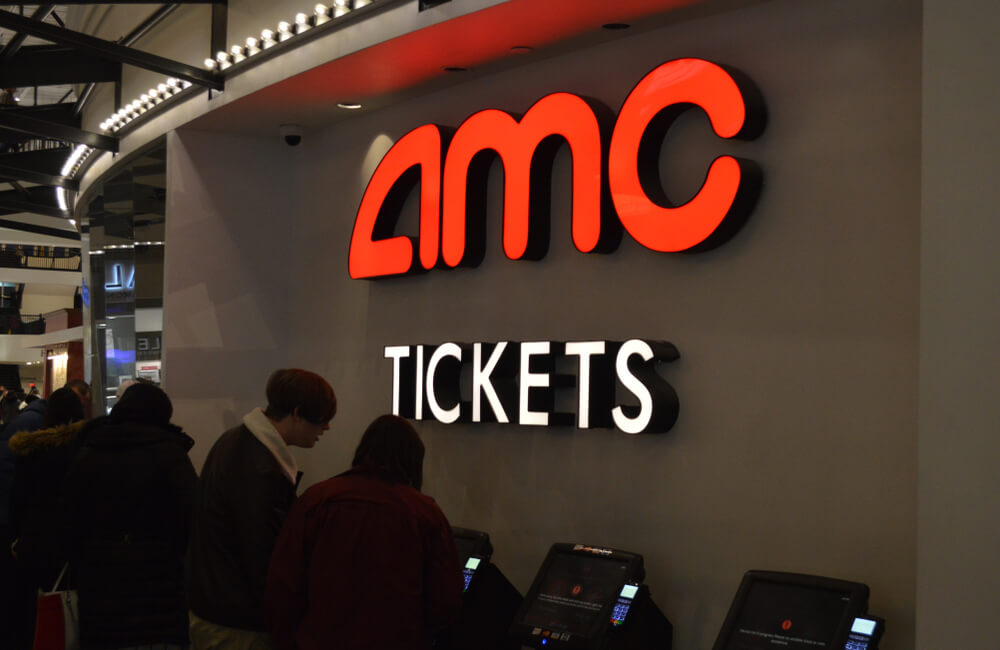
AMC theaters have provided wonderful and relaxed moviegoing experiences to moviegoers for almost a century. This company expanded to become the world’s largest movie chain as a result of its success. Despite popular belief that the initials AMC stood for American Multi-Cinema, the principal shareholder from 2012 to 2018 was a Chinese firm called Dalian Wanda Group. The company’s prospects improved slightly when Silver Lake Partners made a $600 million investment in it in 2018. This does not change the fact that Wanda Group retains ultimate authority over executive-level hires.
AMC
Budweiser
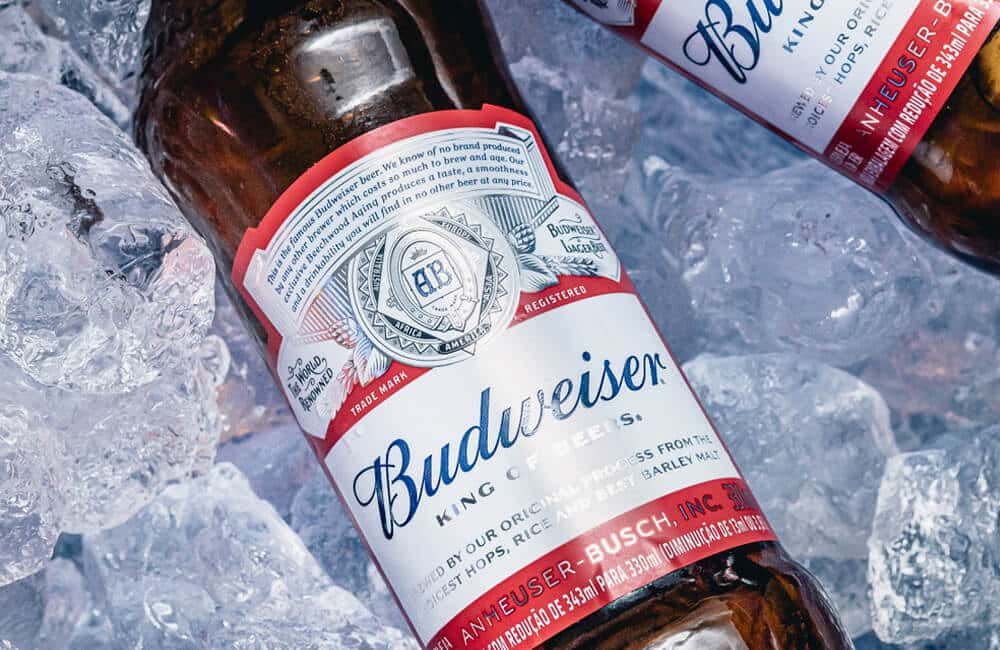
Some argue that when it comes to beer, you can’t get more American than this. Despite the fact that it was started in Missouri and that the container still says “America,” this company is no longer American. InBev, the Belgian beer behemoth, paid $52 billion for this company in 2008. While it once had a strong American identity, it is now and in the future a very different place. Whatever the case may be, we’re glad the parent firm kept control of the formula. It hasn’t lost any of its original flavors!
Budweiser
Ben & Jerry’s
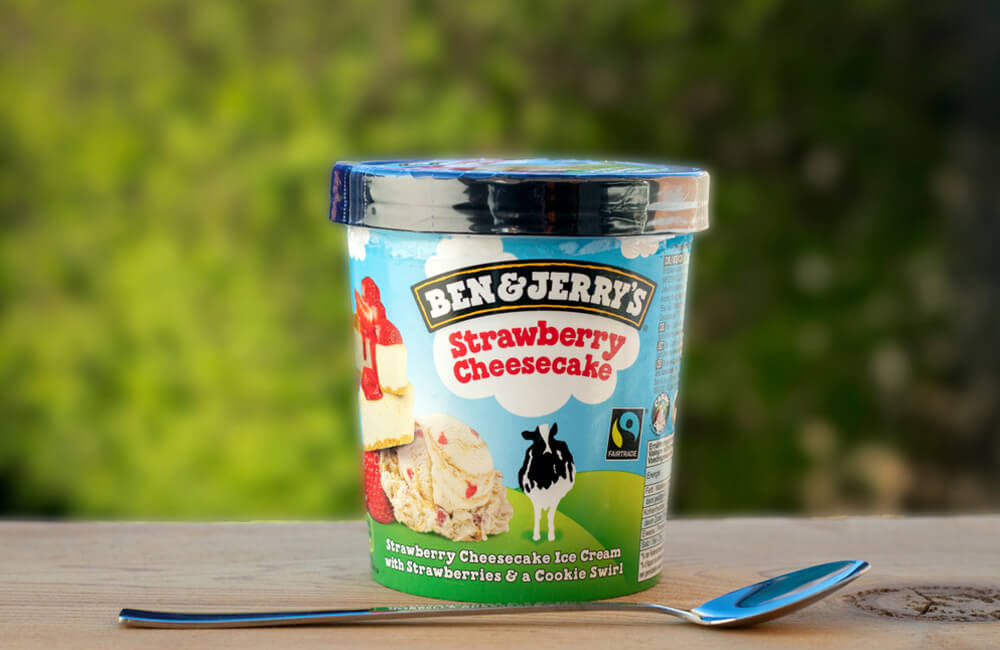
This ice cream company has earned a reputation as a cultural icon throughout the years. Ben & Jerry’s ice cream is so well-known in the United States that it has appeared in numerous television shows and films. Jerry Greenfield and Ben Cohen, two Vermont friends, founded the ice cream business in 1978. In 2000, Unilever purchased it for a cool $326 million, and everything changed. The London-based company outbid two other possible bids for the ice cream producer. Unilever’s portfolio grew as a result of this activity, demonstrating that it was a wise investment.
Ben & Jerry’s
Burger King
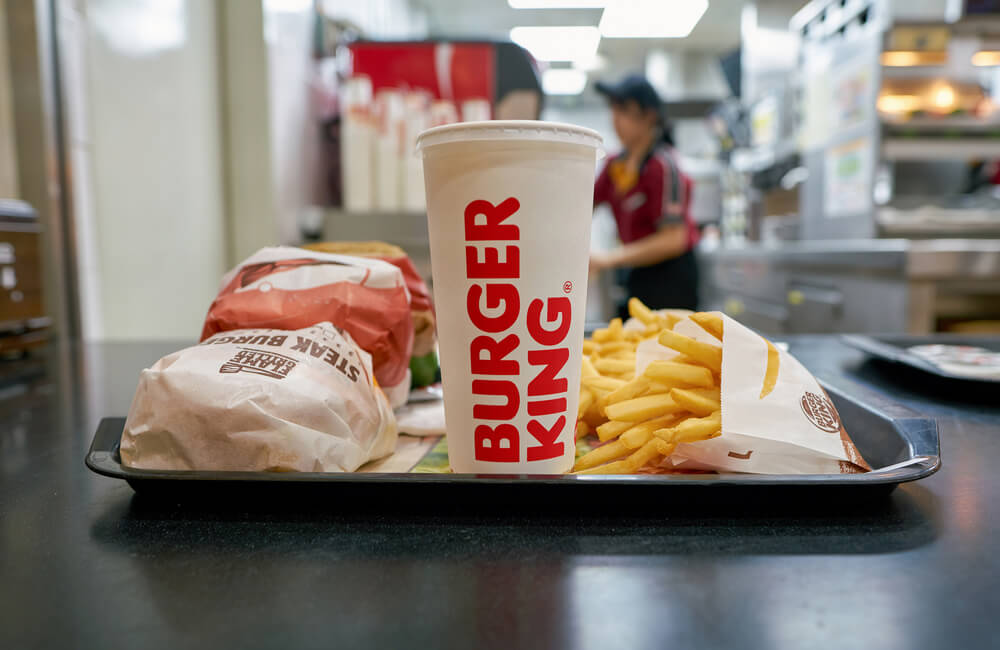
When most people think of fast food, they think of the United States. Burger King is one of many franchises that are independently owned and operated. David Egerton and James McLamore launched the first “Insta Burger King” in Miami, Florida, in 1954, with the help of a business partner. They had no clue it would become a worldwide brand. After ten years, they decided to leave the firm. It was afterward held by a number of different people. It is currently owned by Restaurant Brands International, a Canadian corporation. 3G Capital of New York continues to provide financial support to BK.
Burger King
Trader Joe’s
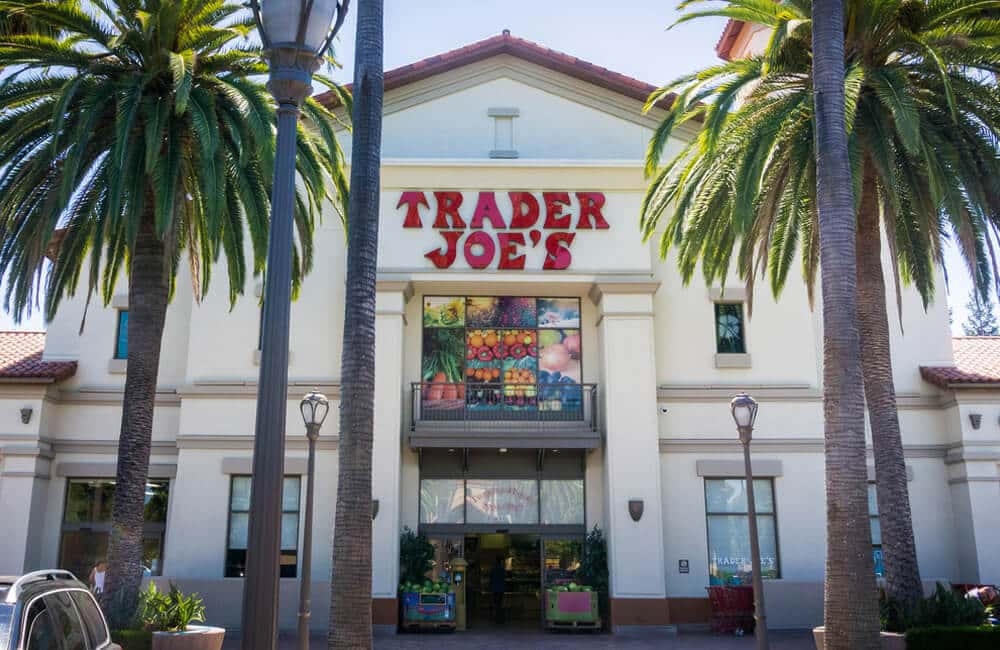
Convenience stores have always been a very competitive business with many companies. This is particularly true in densely populated areas. In 1967, a shopkeeper named Joe Coulombe drew consumers away from a 7-Eleven in Monrovia, California, by stocking uncommon and exotic items. His strategy had shown to be effective. Despite the fact that the company had become a household name, he sold it in 1979. Theo Albrecht, the founder of the large German grocery chain Aldi Nord, has obtained majority ownership of the company. As a result of his family’s wealth, he is estimated to be worth roughly $16 billion. Whoa.
Trader Joe’s
Lucky Strike
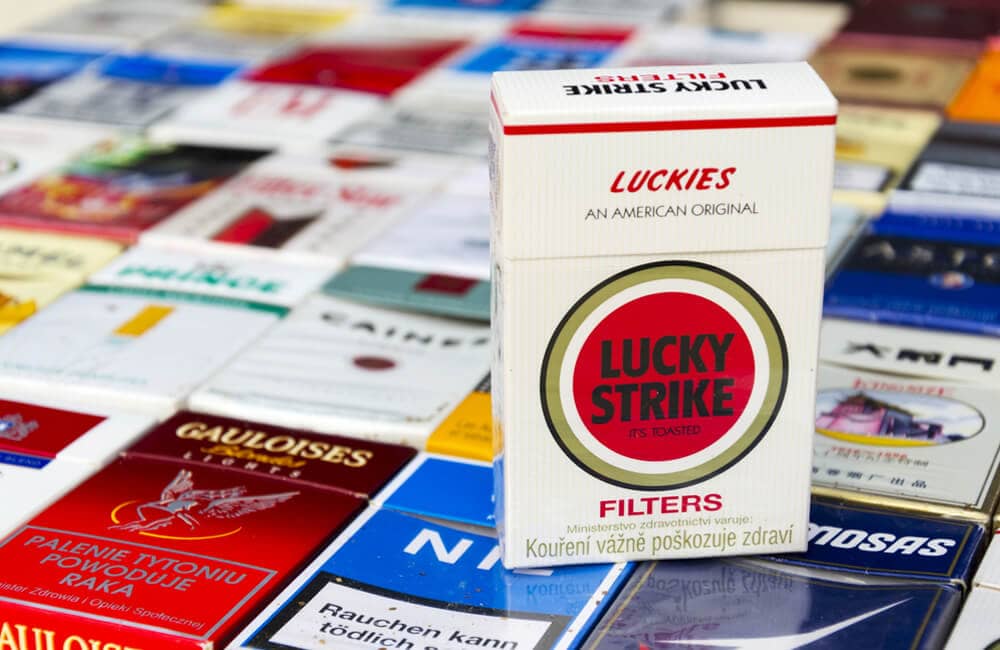
According to my research, the most popular cigarette brand in the United States is Lucky Strike (commonly known as Luckies). People smoked the product in the 1930s and 1940s because of the company’s great marketing strategy at the time. As a result, the brand shot to the top of the tobacco industry’s sales rankings. British American Tobacco and British American Tobacco had their first business agreement in 1976. It purchased the American Tobacco Company, as well as two of its subsidiaries, Lucky Strike and Pall Mall, in 1994. Despite numerous changes, it is still regarded as a particularly American brand. This is due to the fact that it is well-known in popular culture. This corporation was mentioned multiple times in Mad Men.
Lucky Strike
American Apparel
People were drawn to American Apparel by the phrase “Made in the USA — sweatshop-free.” It was a brilliant concept to encourage ethical buyers to support the Los Angeles brand. The company thrived brilliantly until 2015 but has since struggled to regain its footing. Gildan Activewear, a Canadian multinational, bought the name and manufacturing equipment rights for $88 million two years later, salvaging the company. We’re not sure if American Apparel would still exist today if this hadn’t happened. If you adopt a literal view, the company’s headquarters will remain in the Americas.
American Apparel
7-Eleven
Every successful company started with a visionary founder. 7-Eleven was no different. While working at Southland Ice in 1927, Jefferson Green, a regular Joe, saw an opportunity to expand his product range. He broadened his product offerings to include bread, eggs, and milk. He was a good person. That business plan worked, and his Dallas-based firm grew even more once he changed the name to 7-Eleven to reflect the store’s operational hours. It is still a part of popular culture in the United States decades later. The economy faced a rough time when it imploded in 1987. This is where Ito-Yokado, a Japanese business, stepped in. This is why it was purchased by Seven & I Holdings.
7 Eleven
Sunglass Hut
Sunglass Hut is a well-known shopping location for many eyewear enthusiasts in the United States. The company sells both colorful and clear glasses. There is representation from South Africa, India, the United Kingdom, and other countries. Despite this, the company was founded by Sanford Ziff, an optometrist from Miami, Florida. The company was sold in 1986, five years after it opened its 100th store. Luxottica purchased it in 2001 for $653 million. When I was a kid, there were about 1,300 stores spread out across the city. Currently, about 2,000 sites are open around the world.
Sunglass Hut
Motorola
Motorola, which is well-known for its electronic devices, was founded in Schaumburg, Illinois, long before mobile phones existed. Following its debut in 1928, it grew in popularity gradually, reaching a pinnacle of success with flip phones and other devices. Google eventually bought it, only for Lenovo, a Chinese conglomerate, to buy it back in 2014. Google lost money on this transaction since it paid $12 billion for the company two years before selling it for $2.9 billion. Even now, Google’s willingness to lose $10 billion on this transaction remains a puzzle.

Motorola
Ironman
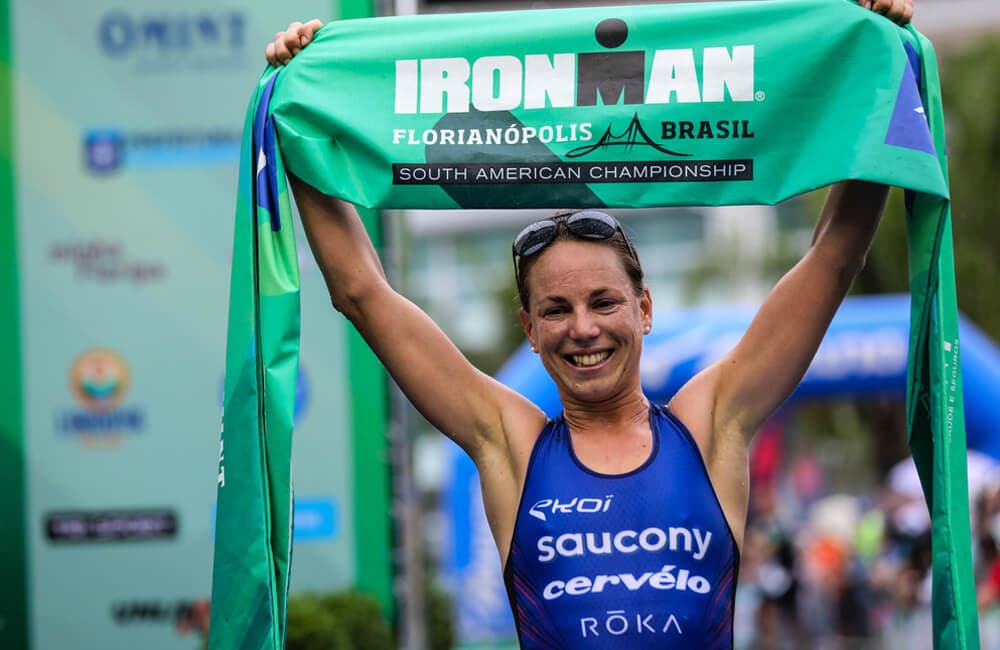
The Hawaii Triathlon Corporation developed the Ironman competition. Dr. James P. Gills paid $3 million for it in 1990. It has since grown into a much larger corporation. In 2008, Providence Equity Securities paid $85 million for the company. Seven years later, the Dalian Wanda Group paid $650 million for it! According to sources, in order to consummate the sale, the Chinese company was compelled to accept a portion of the prior owner’s debt. Wanda was happy with the 40 percent year-over-year net rise, despite the fact that the business was previously successful prior to its current configuration.
Ironman
Forbes
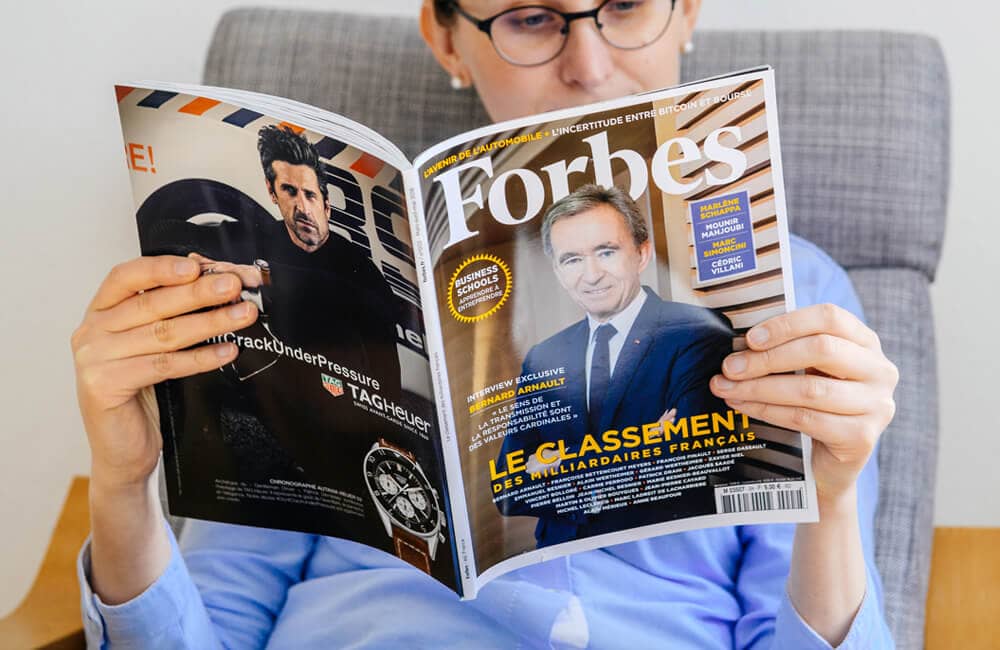
In September of that year, Forbes released its debut issue. Isn’t it amazing that 103 years have passed since then? Since since, it has earned a reputation as a reliable source of credible celebrity and business rankings. The World’s 100 Most Powerful Women and 30 Under 30 are two well-known lists to consider as a starting point for your research. While many people believe it is an American journal, it is really owned by Integrated Whale Media Investments of Hong Kong. In 2014, it paid $400 million for Forbes. However, we feel that readers have not seen any differences since the deal was struck, both before and after.
Forbes
Dirt Devil
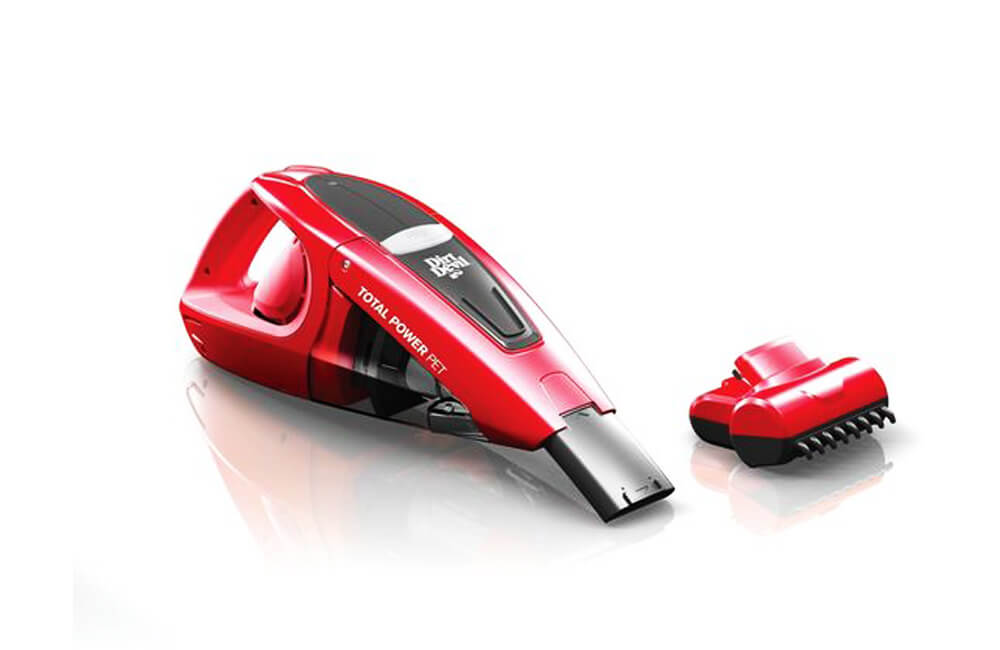
Dirt Devil vacuum cleaners have been keeping American homes clean for almost a century. Philip Geier of Cleveland, Ohio created the sculpture in 1905. Since then, the product line has grown significantly, with over 25 million units sold globally. This is largely due to the Cyclone system’s singularity. Despite the fact that the corporation’s headquarters are still in North Carolina, Techtronic Industries, a Chinese multinational, entirely owns the company. Dirt Devil just acquired Hoover, and the firm now owns both of these household appliance brands. It is clear that the Hong Kong-based company has increased its appliance investment portfolio!
Dirt Devil
Good Humor
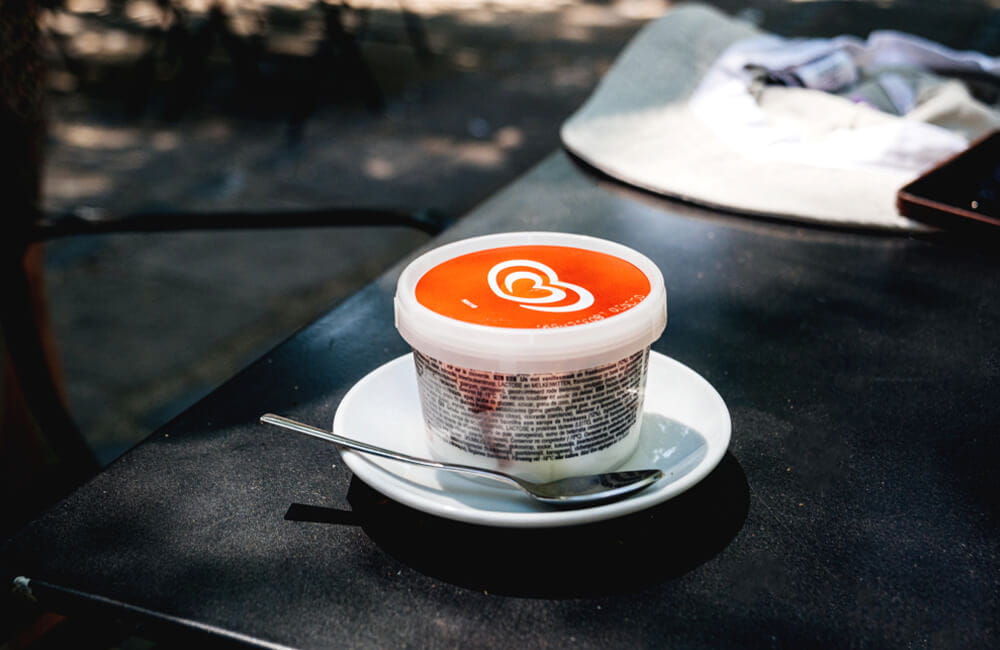
It’s no secret that Good Humor ice cream is popular among baby boomers. For almost a century, this company has operated ice cream trucks. It was an instant hit when it was introduced to Ohio in the 1920s. Unilever’s Thomas J. Lipton purchased the company in 1961. It’s impossible to argue that Good Humor’s fortunes have improved since Lipton purchased the British-Dutch company’s US operations. Since then, the company’s product line has grown to include an increasing number of items, and it has retained a loyal following among consumers across the country.
Good Humor
Popsicle
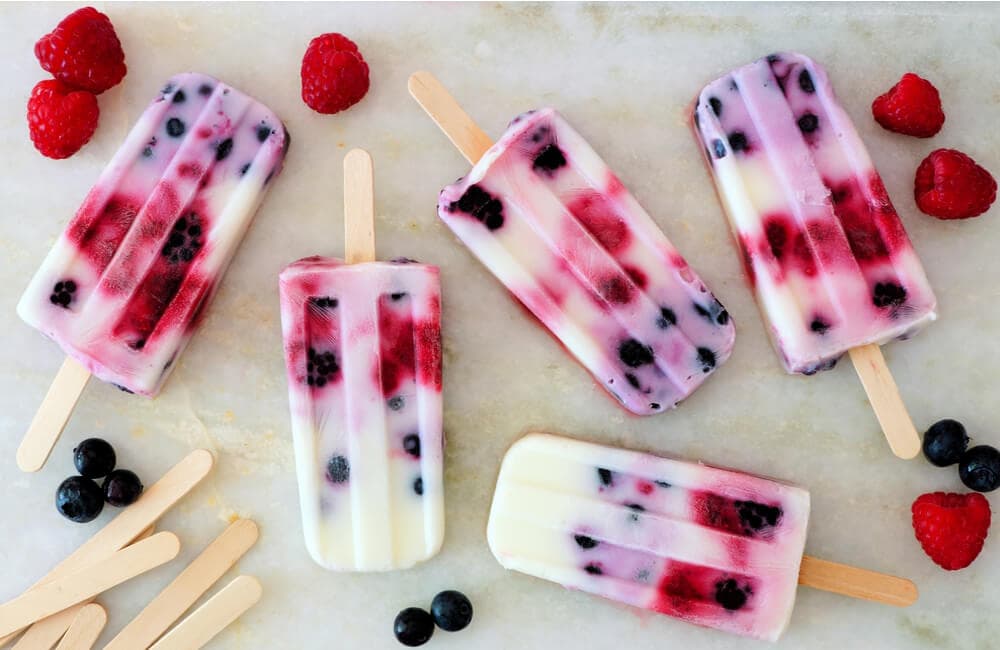
Wait till you learn about this company’s extraordinary history! When an 11-year-old boy from Oakland, California, unintentionally left his drink outside overnight with a stick in it, he devised the Popsicle recipe. When he went back to grab it, he saw that the water inside had frozen solid. When Francis Epperson was an adult, he made it known to the rest of the world. Joe Lowe bought the rights to the song when it became an instant smash for him. Following that, the man expressed regret for his actions and acknowledged that he had deteriorated in the intervening years. Good Humor purchased the popsicle in 1989, while it was still a division of Unilever. As a result, it is now a subsidiary of the English-Dutch parent corporation, which also controls the other brands.
Popsicle
Purina
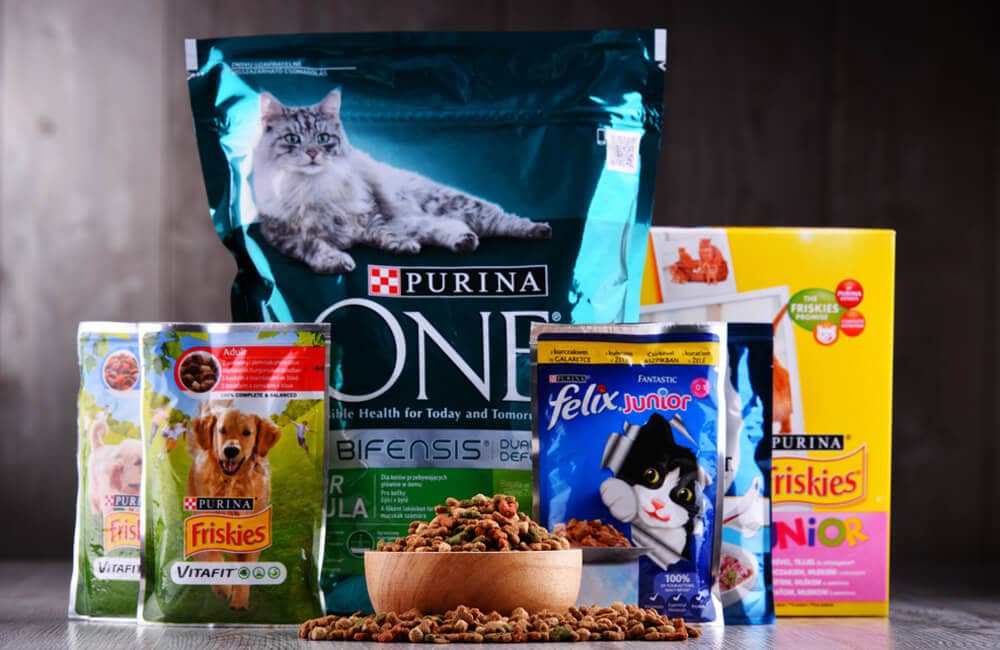
Purina began feeding farm animals in 1894, when George Robinson, William H. Danforth, and William Andrews founded the company. Inadvertently, their idea turned out to be a commercial success. Despite the fact that Nestle is better known for its food than its pet food, it purchased Purina in December 2011 for $10.3 billion. Purina and Friskies PetCare, the company’s pet food division, merged, prompting this decision. Purina, on the other hand, is still a household name in the United States and around the world.
Purina
Firestone
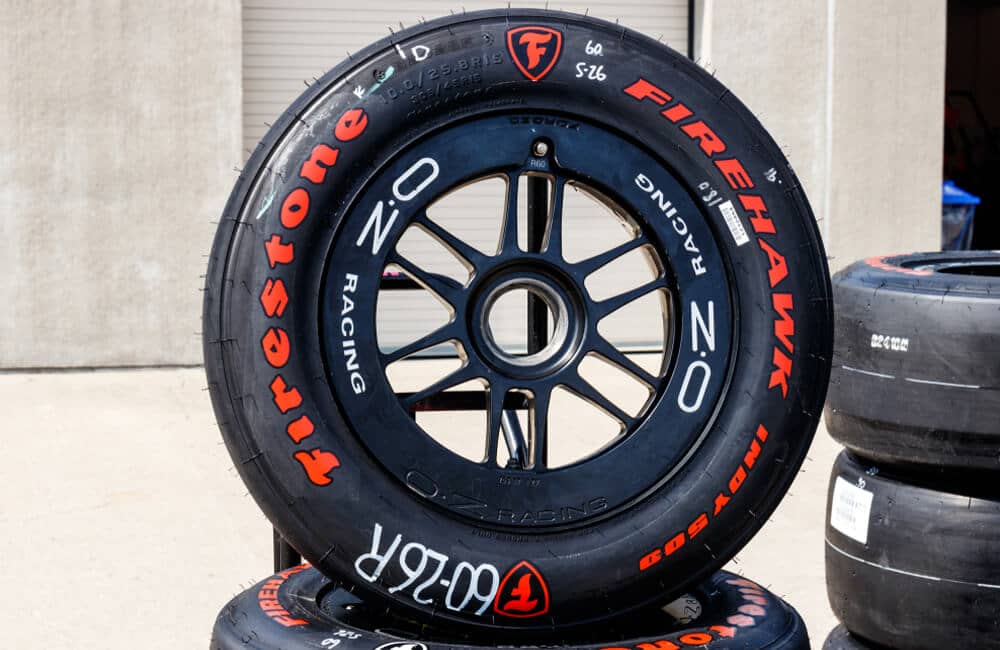
Firestone Tires jumped at the chance to collaborate with Pirelli, an Italian global corporation. The layout, on the other hand, did not feel right. This was a major factor in Firestone’s decision to sell to a Japanese firm, Bridgestone Corp. The Japanese company paid $2.6 million, or $80 per share, for it. Bridgestone has ascended to become the country’s second-largest tire maker as a result of this action. “The Bridgestone offer supports our goal of enhancing shareholder value while also considerably improving job security and development possibilities for the men and women employed by Firestone’s current businesses,” a Firestone spokesman told the Los Angeles Times.
Firestone
Gerber
Nestle announced a $5.5 billion acquisition of Gerber Products Company in 2007. As a result, the Swiss multinational now has a monopoly on the infant feeding market. In this industry, you can make a lot of money. Daniel Frank Gerber’s wife started making baby food for their daughter Sally in 1927, and the firm was born. They had five new items on the market as soon as he came up with the marketing idea. Since its humble beginnings in New Jersey, the company has come a long way.

Gerber
Citgo
In 1910, Citgo established itself as a major marketer and refiner of fuels and other products in Oklahoma. Petróleos de Venezuela, a Venezuelan oil corporation, bought half of it in 1986 and became the parent company. Unfortunately, recent events have not been positive. Hugo Chavez announced to the world that Citgo was being sold because it was doing “poorly,” resulting in declining earnings. They offered bonds instead of selling the property. South America was in a slump in 2013, the year this article was written. It was provided to Russia as financial collateral, but the offer’s future is unknown.
Citgo
IBM (PC Division)
This firm, which began with IBM, has always endeavored to keep the United States at the forefront of technological advancement. It was once more concerned with commercial machinery than with computers. IBM’s history is, to put it mildly, intriguing. In 2004, Lenovo paid $1.75 billion for Compaq Computer’s PC division. Lenovo CEO Chuanzhi Liu said at the time that he was “delighted” with the accomplishment because he was the company’s creator and “founding father.” In a statement, IBM CEO Sam Palmisano claimed that today’s announcement strengthened the company’s ability to “grab the highest-value opportunities” in the quickly evolving information technology sector.
IBM (PC Division)
Legendary Entertainment Group
Dalian Wanda Group chose to go all-in by owning a movie studio in 2016 after acquiring AMC and seeing remarkable success in the film business. Legendary Entertainment Group divested a $3.5 billion stake in the Chinese firm. Dalian Wanda Group planned to incorporate it into its existing holdings at the time. However, it was determined that leaving things alone was the best course of action. After four years of ownership, it’s time to assess LEG’s performance. Since the acquisition, Jurassic World: Fallen Kingdom, Pacific Rim: Uprising, Kong: Skull Island, and Skyscraper have all been released!
Legendary Entertainment Group
Hoover US
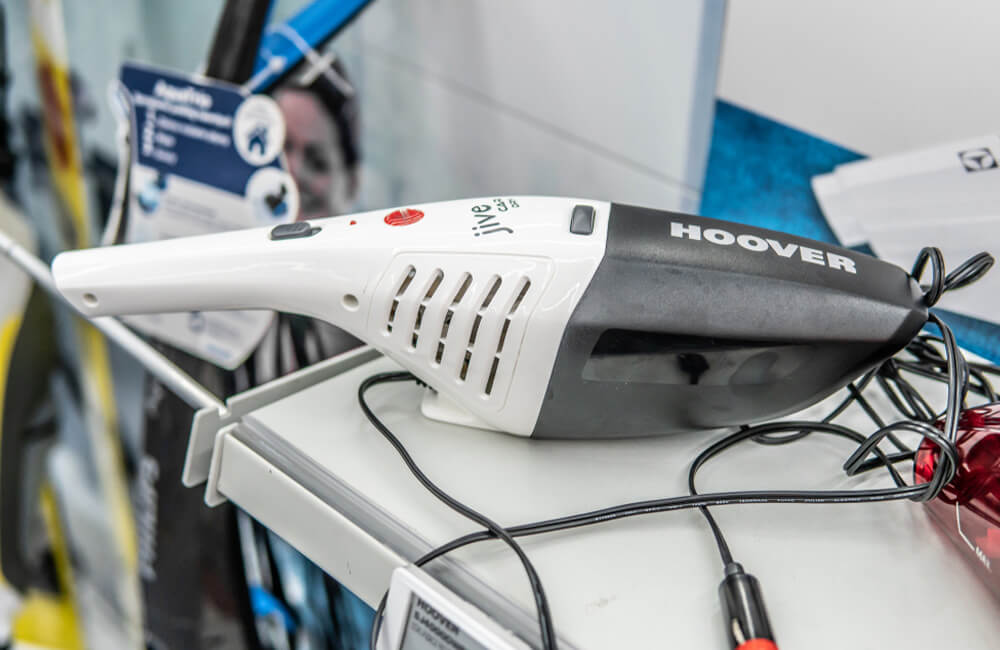
Hoover developed a reputation as a renowned American appliance manufacturer when it first opened its doors in 1908. A company named after its founder, William Henry Hoover, has become well-known. Despite the fact that everything had been kept local for a long time, Techtronic Industries paid $107 million for it in 2006, and everything changed. The headquarters remain in North Carolina, but the central office has relocated to Hong Kong. The Chinese conglomerate employs over 30,000 individuals and has yearly revenues of more than $7.7 billion dollars. Despite the fact that the corporation’s headquarters are no longer in the United States, it is still in skilled hands.
Hoover US
Frigidaire
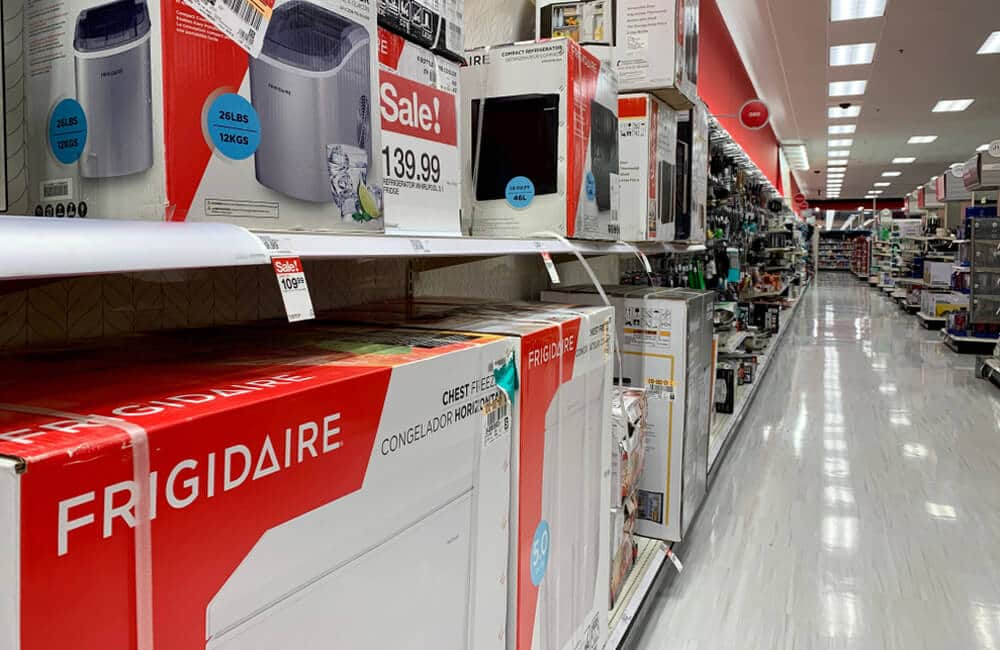
Frigidaire began in Indiana in 1918 as the Guardian Refrigerator Company. While Alfred Mellowes and Nathaniel B. Wales had the idea, they lacked the financial means to put it into action. William C. Durant of General Motors stepped in at this critical juncture! With the help of the other two, his investment enabled the company to reach its current state. It was purchased by the White Sewing Machine Company in 1979 and is still in operation today. Electrolux, a Swedish conglomerate, bought the company in 1986. Frigidaire is still a subsidiary of this firm, albeit it appears to be doing well.
Frigidaire
Strategic Hotels And Resorts
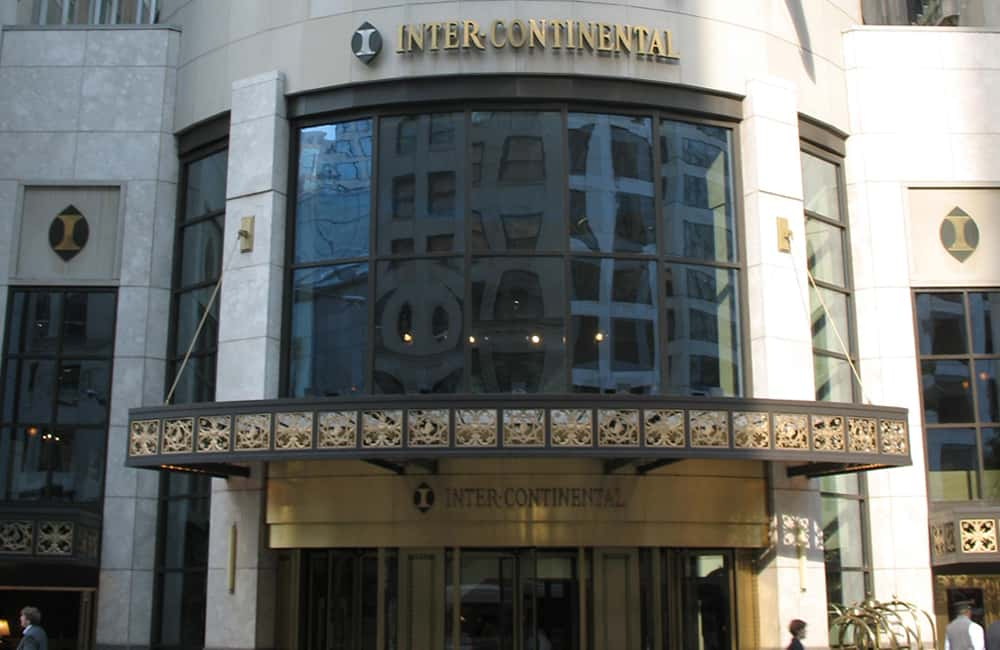
This hotel company today owns and runs 17 premium hotels in the United States and one in Germany. In 1997, Strategic Hotels and Resorts was founded. The company’s founder, Laurence S. Geller, came up with the idea while working as a real estate speculator. Anbang Insurance Group, a Chinese corporation, was reportedly interested in purchasing it for $6.5 million in 2016. Finally, the agreement appears to have been renegotiated in light of the insurance company’s $1 million discount on the hotel chain. This was owing in part to the fact that one of the properties could not be sold. The US government banned it from proceeding due to its proximity to a navy facility.
Strategic Hotels And Resorts
Alka-Seltzer
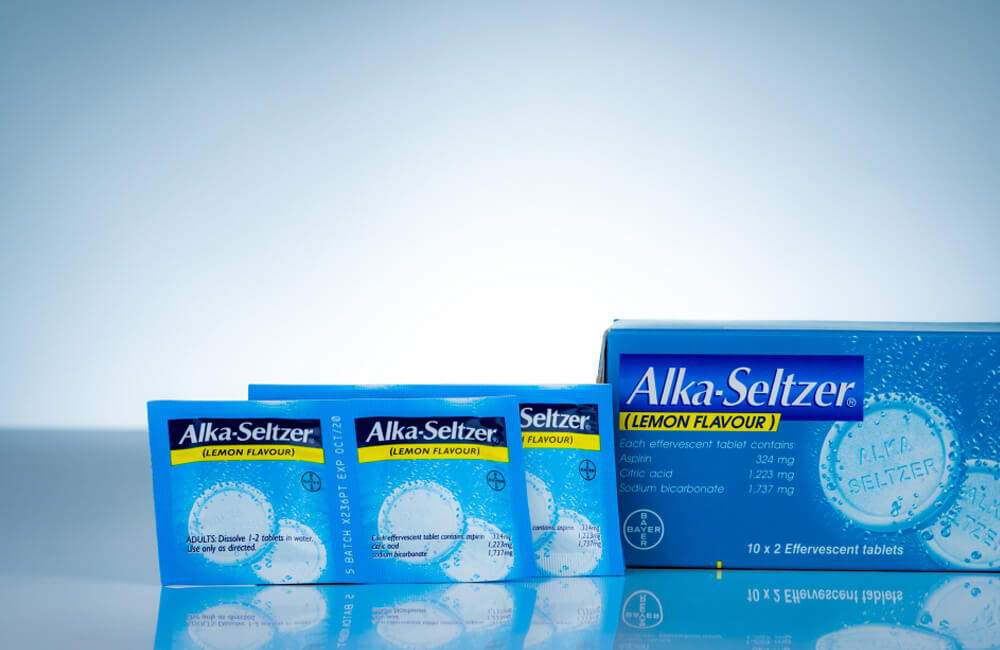
Alka-Seltzer is one of the world’s most well-known and long-lasting brand-name drugs. To begin, this antacid and pain reliever drink was first sold by Dr. Miles Medicine Company, now known as Miles Laboratories, in 1931. After some time in American hands, the company was purchased in 1978 by a German corporation called Bayer. Bayer has a lengthy history of cooperating with some of the world’s most prominent pharmaceutical companies. In 2004, they collaborated on a combined effort to boost Levitra sales by utilizing GlaxoSmithKline’s “Strike Up A Conversation” brand line.
Alka-Seltzer
The Chrysler Building
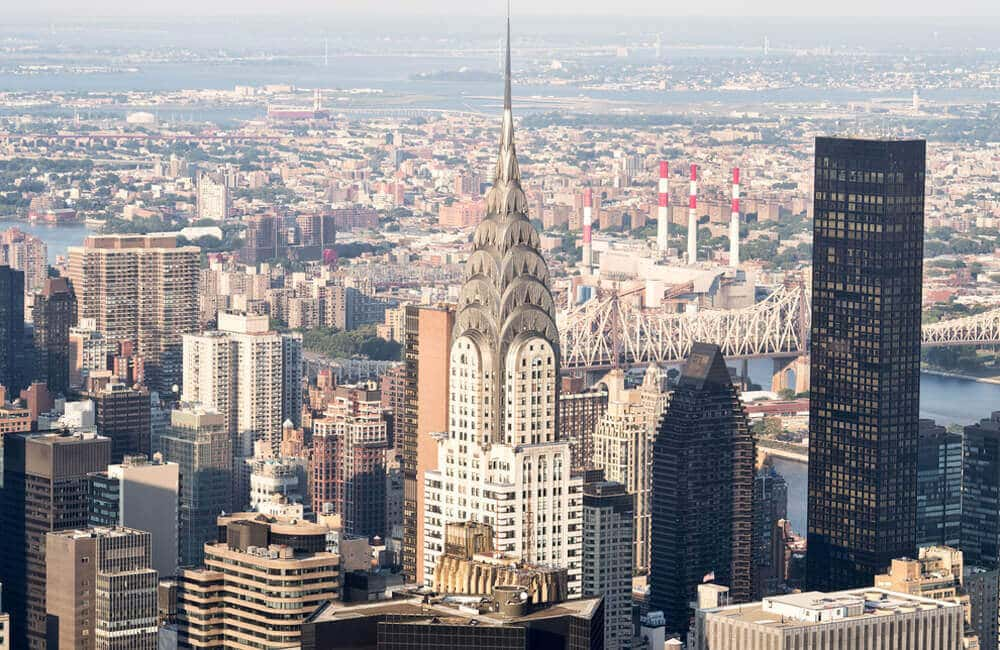
When The Wall Street Journal reported on the sale of the Chrysler Building in 2019, many people were taken away. After all, it was one of the city’s most recognizable landmarks. However, it has not been in the ownership of a US citizen in a long time. A year later, the Abu Dhabi Investment Council paid $800 million for the company’s majority interest. SIGNA, an Austrian business, bought it for more than $150 million a decade later. As soon as the news broke, it was widely reported in financial newspapers around the world as a significant loss.
The Chrysler Building
General Motors
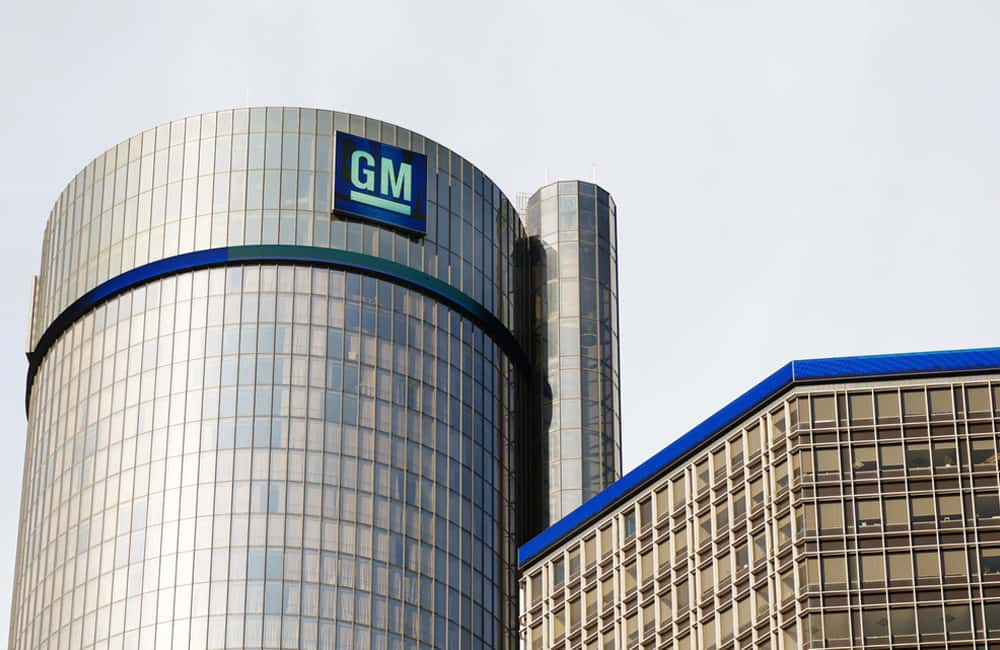
Isn’t it remarkable to think that General Motors is the largest automaker in the United States? It is an incredibly appealing and lucrative organization due to its size as one of the largest corporations in the sector on a global basis. Despite the fact that Shanghai Automotive Industry Corp. does not own 100% of the company, it is financially dependent on it. In 1998, the two companies formed a joint venture. Customers may be unaware that SAIC sells vehicles under the GM brand. In any case, SAIC and GM are separate companies, with SAIC based in Shanghai and GM in Detroit.
General Motors
Spotify
We can’t recall a period when we couldn’t listen to our favorite music by just pressing a button. Spotify owes us a huge thanks for making this possible! Listeners can now hear music from the company, which was launched in New York in 2006. Although it began in Sweden, it has subsequently spread throughout the world. Spotify and Tencent Holdings each purchased a 10% share in the other at the end of last year. As a result of the joint venture, Spotify gained access to the Chinese market, while Tencent increased its offerings. Prior to working with them, the streaming service was having difficulty gaining traction in China.
Spotify
The Waldorf Astoria Hotel
The Waldorf Astoria Hotel is an excellent alternative for anyone looking for premium accommodations in New York City. It is not merely a New York landmark; it is also a piece of American history. Although the hotel is managed by Hilton Worldwide, Anbang Insurance Group purchased it in 2014 for $1.95 billion. It has become the most costly hotel in recorded history by charging such a high charge. The Chinese corporation rebuilt the hotel extensively, converting many of the hotel rooms into condominiums in the process. More American businesses are now on the insurance company’s shopping list. Starwood Resorts was mentioned as a possible acquisition target.
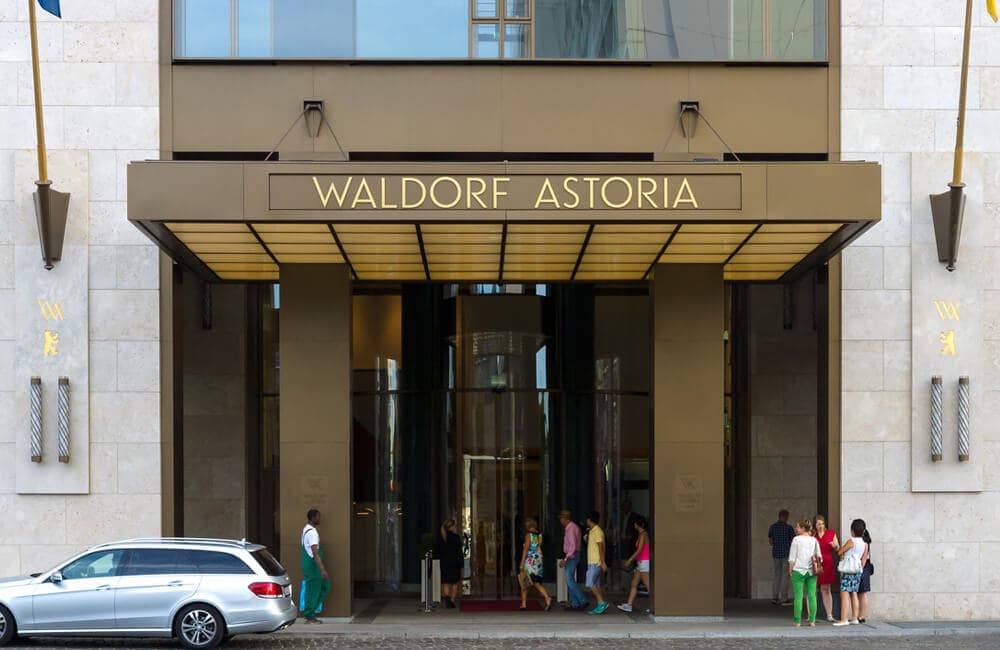
The Waldorf Astoria Hotel
Tesla
Elon Musk, the Tesla founder, controls 21.7 percent of the corporation, making him the largest owner. Tencent Holdings Ltd., for example, is a big shareholder in the company. They are astounded to learn that the Chinese conglomerate is not confined to music. Tencent is the world’s largest video game maker and publisher, as well as a major player in social media. In 2019, it even declared a net profit of $95.8 billion. Their strategy is unmistakable: they are doing everything perfectly! We expect it to expand further in the future.
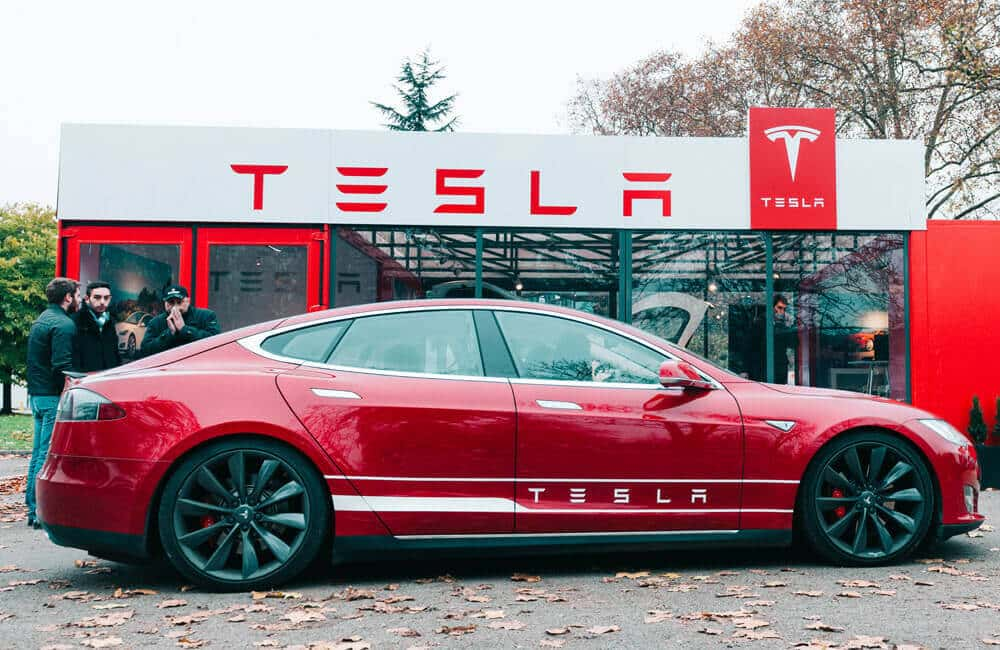
Tesla
Snapchat
We don’t think the trend of applying weird effects to our photos would have taken off if Snapchat didn’t exist. Bobby Murphy and Evan Spiegel founded the app in 2011 with no idea how successful it would become. Snapchat’s parent firm, Snap Inc., is currently valued at more than $20 billion. Tencent, a Chinese internet behemoth, gained its market share in 2017 thanks to a collaboration with Snapchat. This internet behemoth paid nearly $2 billion for a 10% interest in the social networking startup in the intention of making a tidy profit. Tencent supplied technological skills to help Snapchat with its augmented reality capabilities in addition to assisting with the creation of augmented reality.
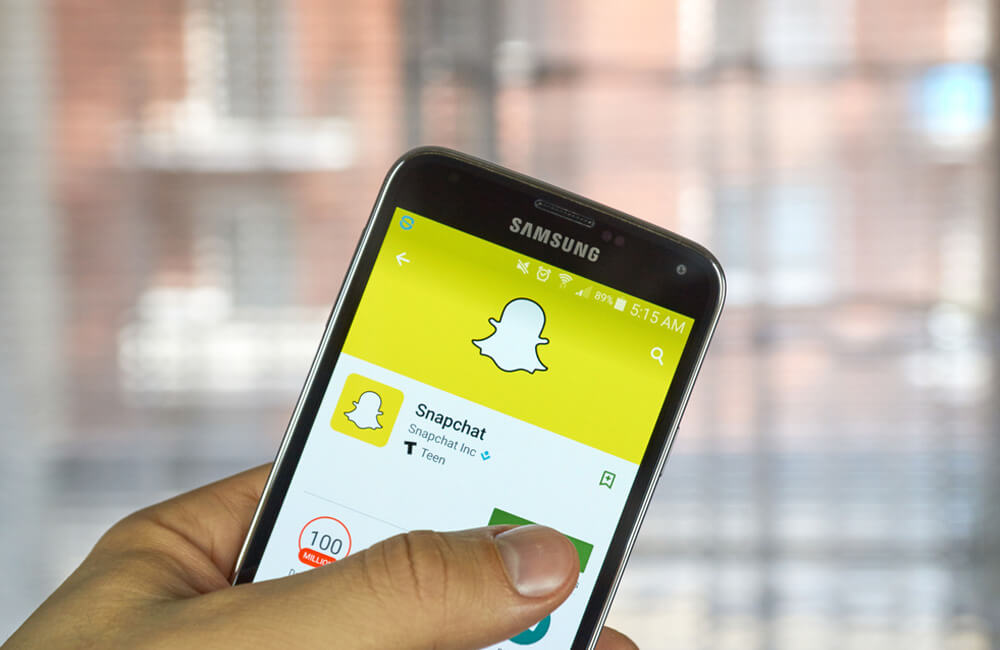
Snapchat
Ingram Micro
In 1979, Ingram Micro began as a tiny reseller of high-tech equipment. As a result, a multibillion-dollar corporation was established. It was able to buy Softinvest in Belgium in the early 1990s. Ingram may now distribute HP products, increasing its market share. Ingram Micro was purchased for $6 billion in 2016 by Tianjin Tianhai Investment, an unit of the HNA Group. As a result, it became one of the top revenue generators for the parent corporation. On the other side, this broadened Ingram’s global footprint.
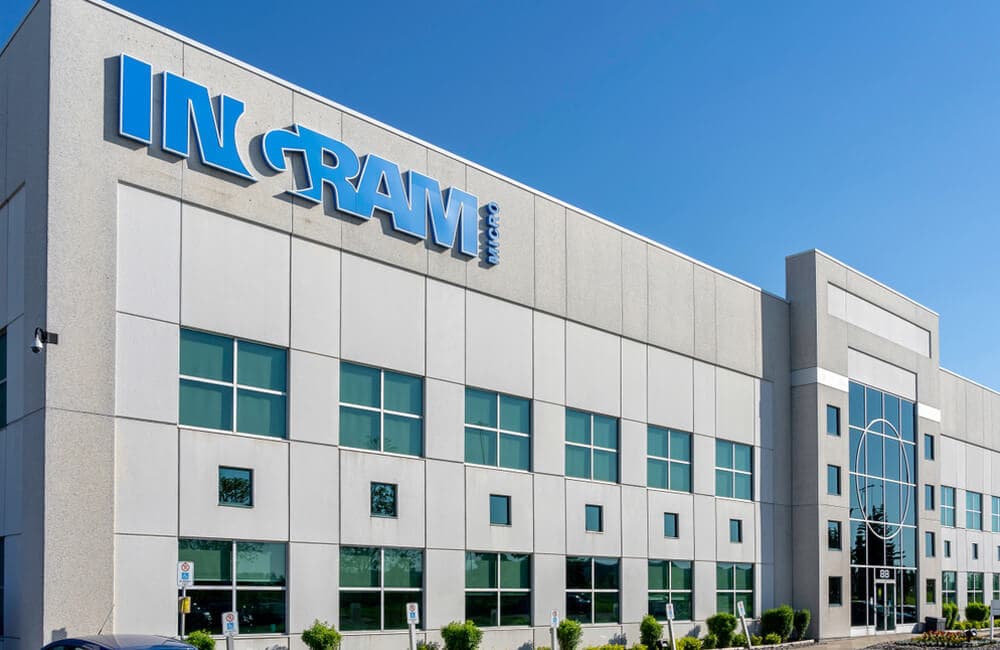
Ingram Micro
Fidelity & Guaranty Life
Fidelity and Guaranty Life Insurance Company, founded in 1959 in Des Moines, Illinois, has helped countless people protect their financial futures. As a result, the company’s future has been far from clear. Harbinger Group previously owned it. However, in 2013, the parent business made it available to the general public. F&G piqued the interest of Anbang Insurance Group, which purchased it for $1.57 billion. Everything appeared to be going swimmingly until the Chinese company abruptly withdrew from the agreement. In 2017, CF Corp acquired F&G for about $1.84 billion after a sudden change of plans.
Fidelity & Guaranty Life
Universal Music Group
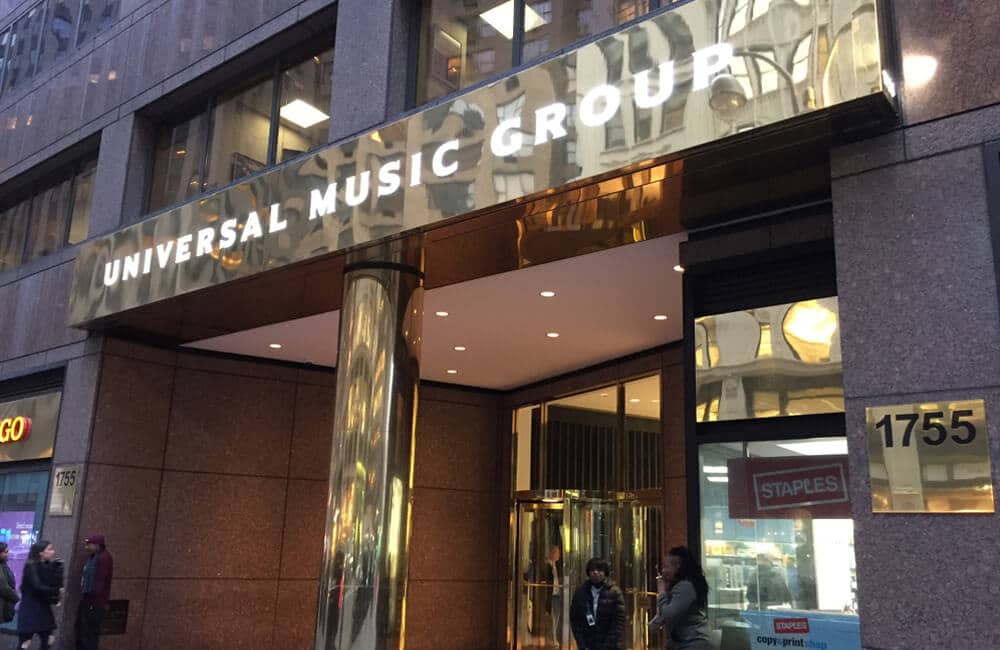
A record deal with Universal Music Group would be a dream come true for any ambitious artist. Along with Warner Music Group and Sony Music, it is one of the “Big Three” record labels. UMG has been in the music business for nearly a century. While the company has aided the development of many domestic musicians, it is no longer wholly American. Vivendi, a French firm, originally held the bulk of the company’s capital until it was acquired by Tencent in 2020. The Shenzhen-based firm paid $33.4 billion for a 10% stake in the record label.
Universal Music Group
WeWork
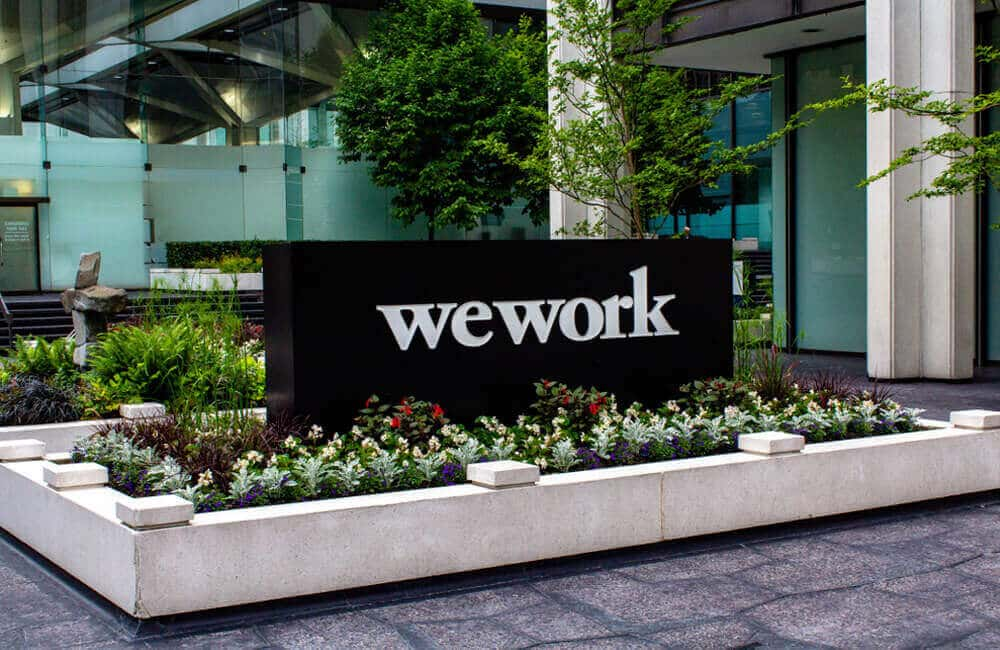
Shared workspaces, as you’re presumably aware, have gained in popularity in recent years. This arrangement is suitable for freelancers and new businesses. WeWork took advantage of this when it first opened its doors a decade ago. It is currently in charge of 4 million square meters! On the other hand, it ran into a funding constraint in 2016 and needed additional funds. Legend Holdings Corp., based in Beijing, joined the company as a “new partner” and contributed $430 million at the time. “This is a strategic and clear investment for us,” says Legend Holdings Corp. Chairman and CEO John Zhao.
WeWork
Segway Inc
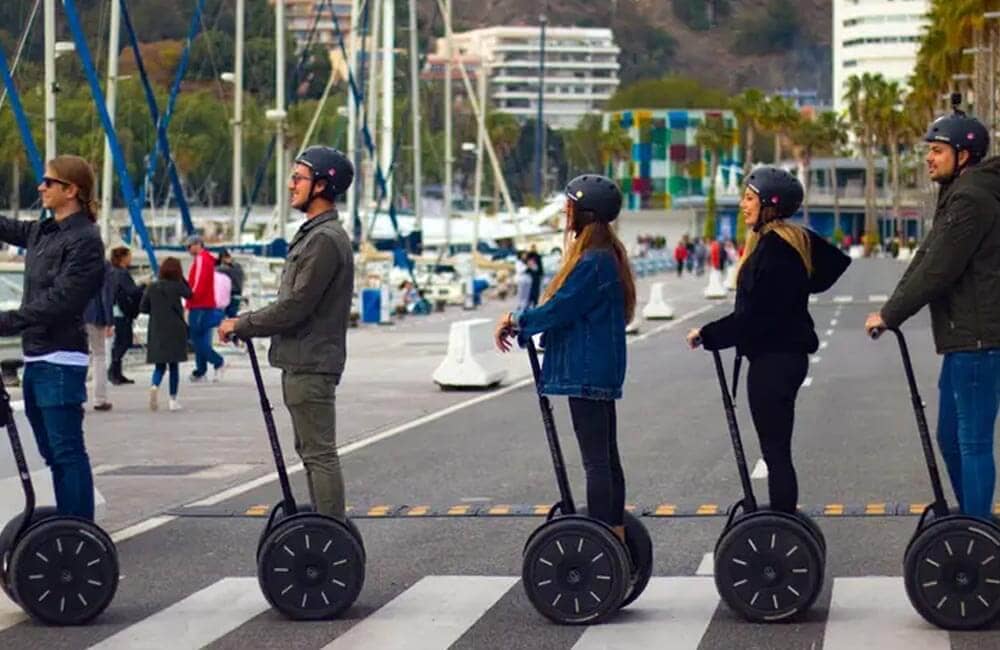
People used to think that zipping around on two wheels was something out of a science fiction movie until the last few decades. Segway Inc. has demonstrated this in practice. Ninebot, a Beijing-based enterprise, paid $80 million for the transportation company in 2015. Segway’s chances have only improved since then, thanks to the Chinese corporation’s assistance in developing a stronger footing in the information technology and robotics industries. After announcing in 2018 that it would shift its manufacturing operations to China, the company relocated its headquarters to New Hampshire in 2019. It did, however, reaffirm that the majority of production would remain in Bedford.
Segway Inc
John Hancock Life Insurance
The John Hancock Financial Opportunities brand is used to sell a range of products. Life insurance plans, on the other hand, are the company’s bread and butter, as everyone knows. The company has been in continuous operation since its establishment in Boston, Massachusetts. Manulife Financial, a Canadian corporation, purchased it in 2004. Rather than just acquiring John Hancock, this new parent business decided to incorporate the John Hancock brand into its own. Manulife Financial is a Canadian company located in Toronto that employs roughly 34,000 people and has 63,000 agents.
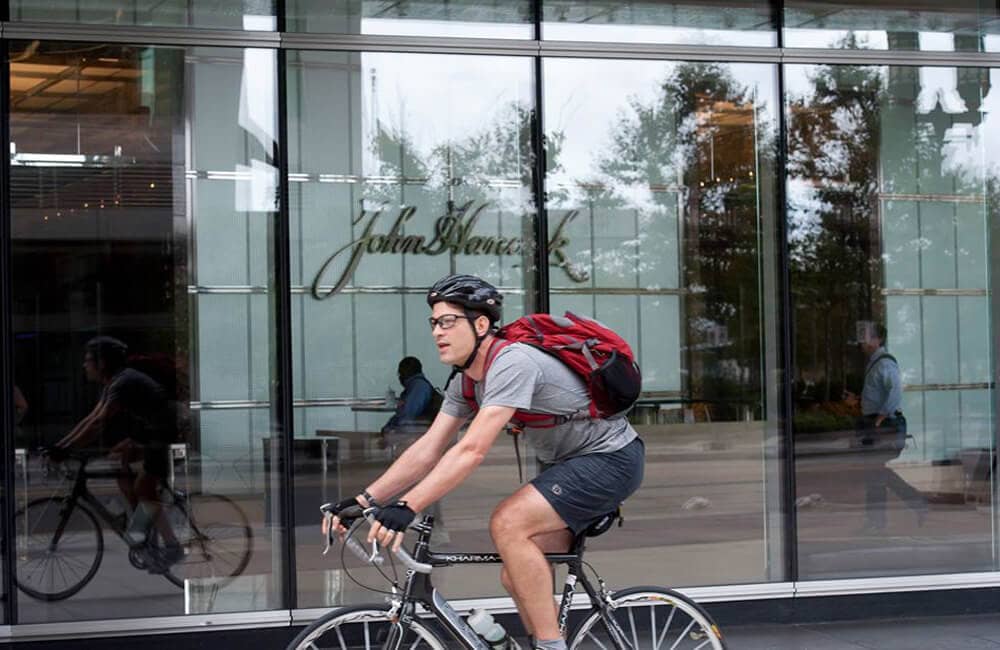
John Hancock Life Insurance
Sotheby’s
A Chinese life insurance company piqued the curiosity of a New York City art broker. Sotheby’s has been in business in London since 1744. Prior to expanding internationally, it did open a location in New York City. Sotheby’s has a new majority shareholder: Taikang Life Insurance Co. Ltd. of China. That was the case until 2019, when Sotheby’s was purchased by Patrick Drahi, a French-Israeli billionaire. However, we have no idea what will happen to the corporation’s 13.5 percent interest held by a Chinese insurance company.
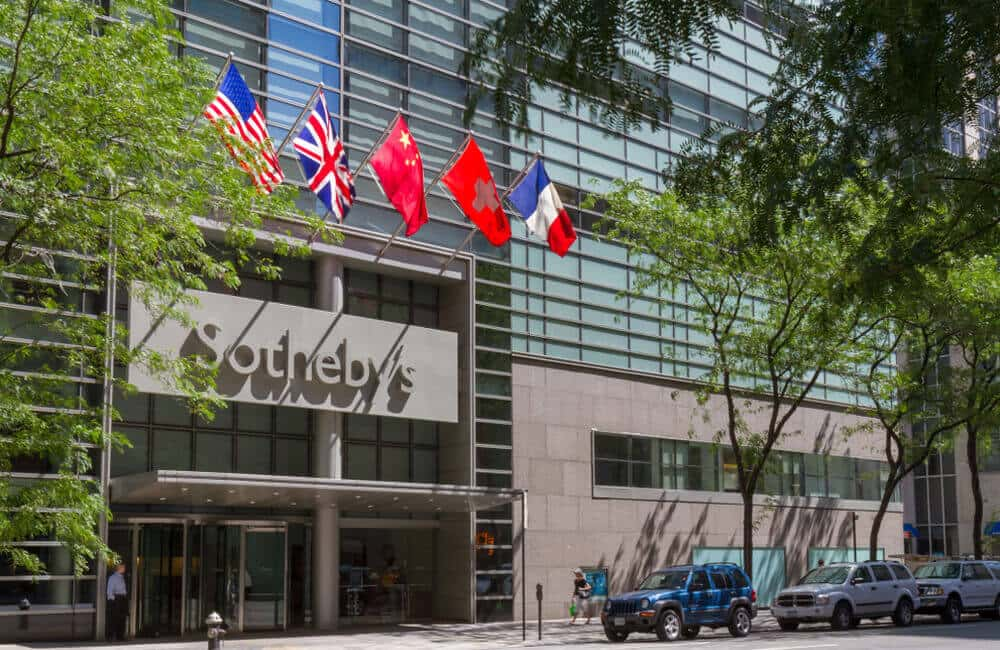
Sotheby’s
The Barclays Center
The magnificent Barclays Center is well-known among sports and music fans. This historic property was purchased by Joseph Tsai, a Taiwanese-Canadian business entrepreneur, in 2019. In addition, the chairman of the Alibaba Group purchased the NBA’s Brooklyn Nets. Tsai stated at the time, ‘With full ownership of the Nets and the Barclays Center, we will continue to provide our fans with our colorful style of basketball.’ “We have made a significant commitment in Brooklyn, and it will be a pleasure to bring the finest of the Barclays Center and its outstanding entertainment to our neighborhood,” said the company.
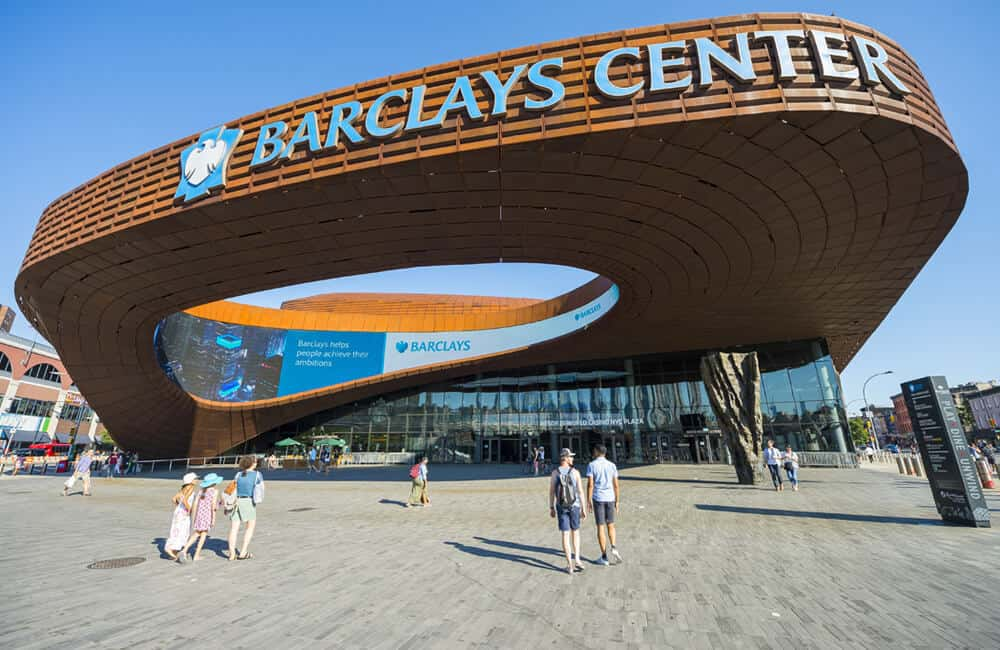
The Barclays Center
Brookstone Inc
Brookstone Inc. began in the mid-1960s as a mail-order company focusing in uncommon and difficult-to-find things. It eventually expanded its product line to include alarm clocks, remote control toys, and other items. It had 34 locations in the United States as of 2018. However, it experienced a financial setback in 2014 and declared bankruptcy. It’s a good thing two Chinese businesses, Sanpower and Sailing Capital, bought and saved it for $173 million. We owe them gratitude for intervening in time to prevent Brookstone’s bankruptcy. When the company emerged from bankruptcy in July of that year, the public was relieved.
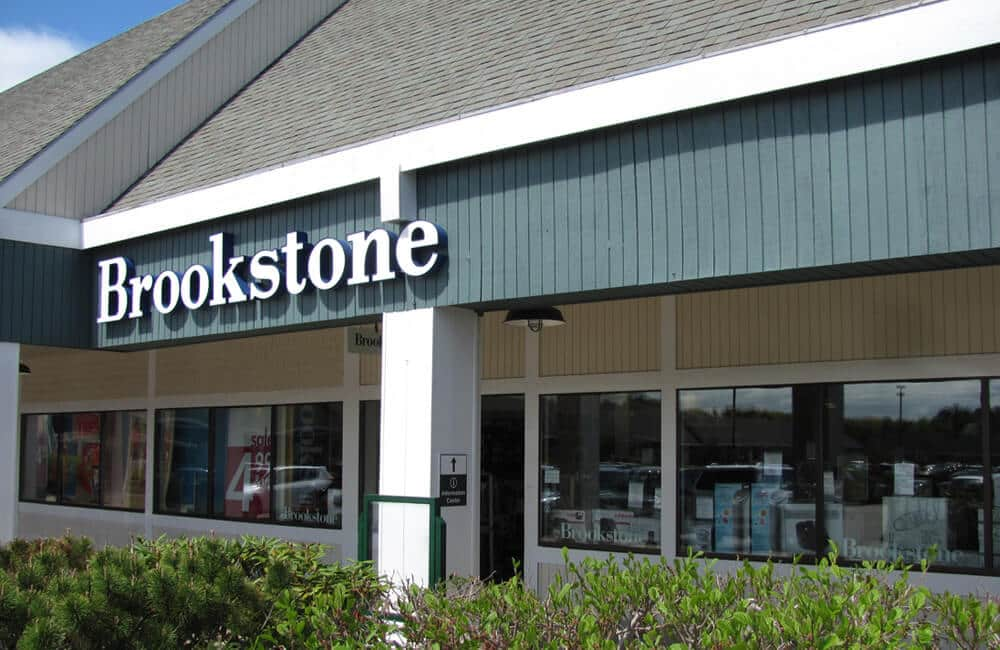
Brookstone Inc
Dairy Farmers of America Inc
Who would have thought that the Dairy Farmers of America, with a name like that, would be involved in China? It may appear improbable, yet it is true! In 2014, Inner Mongolia Yili Industrial Group and DFA collaborated to build a new milk powder processing factory. Drought struck New Zealand at the same time as China’s milk output plummeted. As a result, the country’s supply was effectively cut off. The Inner Mongolia Yili Industrial Group increased its global reach as a result of the problem. Despite the fact that DFA is not a stakeholder, the two companies get along well.
Dairy Farmers Of America Inc
Fab.com Inc
It is true that online design firms compete fiercely. Tencent Holdings has invested $1 billion in Fab.com Inc., which was previously based in New York. Fab has previously stated a desire to expand into the Asian market. According to CEO Jason Goldberg, there are ways to enter new markets with the help of strategic partners that can help decrease risk and boost success chances. PCH International, a two-year-old company, purchased the company in 2015. It has since been redesigned as a health company specializing in yoga equipment.
Fab.com Inc
The Cleveland Cavaliers
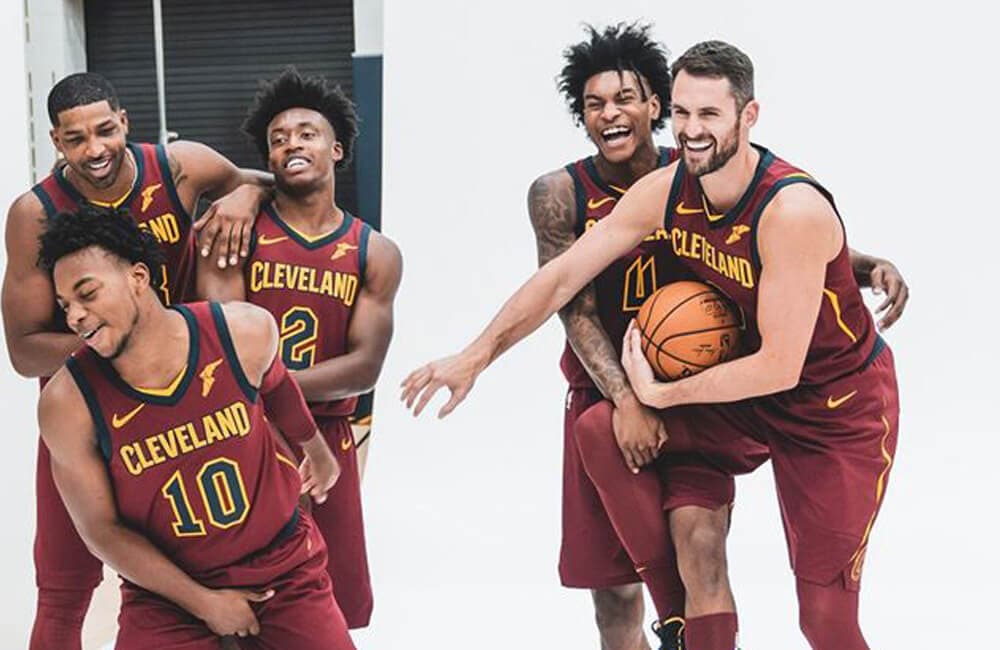
The NBA’s first franchise was established in 1970, with the help of business sponsors. Following then, the Cleveland Cavaliers grew in size. The Goodyear Tire and Rubber Company were one of the investors. However, in 2019, they began to receive investment from outside the country. Previously, the Cleveland Cavaliers worked with the New York Yankees and other American sports teams through billionaire Jianhua. According to media reports, he bought a 15% share in the NBA team. There is no cause to be concerned, as foreign investment in sporting clubs is not unusual. This explains why LeBron James is so well-liked in China.
The Cleveland Cavaliers
Riot Games Inc
Riot Games is well-known to everyone who has ever played League of Legends, an online massively multiplayer game. It first appeared in 2009 and quickly became popular, eventually becoming the company’s most popular product. Riot Games and Tencent have been working together for a long time, but their relationship peaked in 2015. Riot Games’ remaining shares were purchased by a Chinese entity, which became Riot Games’ parent company. Prior to this, it owned 93 percent of the gaming company. As a result, we believe that the future evolution was predetermined. Riot Games is believed to be worth $6 billion.
Riot Games Inc
Uber Technologies Inc
For the most part, we can’t fathom our lives without Uber. Users can summon a cab by pressing a button on the app. In 2009, Travis Kalanick and Garrett Camp came up with the idea. So much has changed in the last several years! This multibillion-dollar corporation is now well-known both worldwide and domestically. Baidu Inc., a Chinese web corporation, invested more than $600 million in 214 to help the company expand in China. Baidu used the software to expand its own mobile payment company, thus it was a win-win situation for all parties. We’re relieved that everything worked out in the end!
Uber Technologies Inc
OmniVision Technologies Inc
OmniVision Technologies Inc. and Will Semiconductor Co. Ltd. announced their partnership a year after they were founded. By the time the issue surfaced in April of this year, they had already handled about $2.1 billion in trades. We don’t know anything about the transaction because it took place behind closed doors. While details are scarce, we do know that OmniVision began interacting with Chinese investors in 2015. Around this time, two Chinese firms joined together to buy the California-based firm for $1.9 billion. Will Semiconductor Co. Ltd., a relatively obscure Chinese company, chose to acquire it. The general public is still bewildered.
OmniVision Technologies Inc
Baby Trend Inc
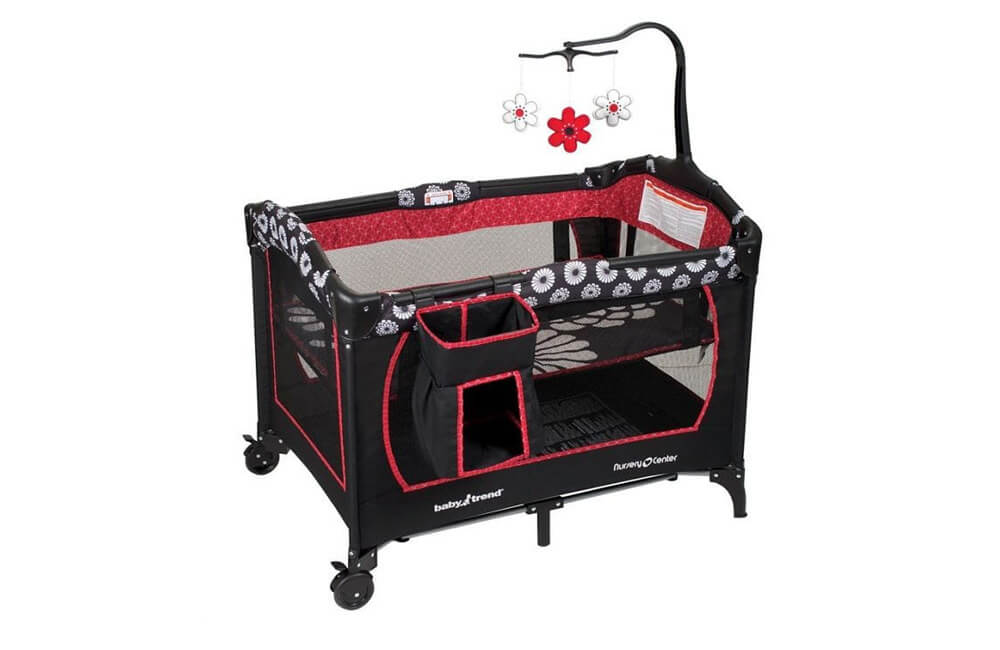
Car seats, highchairs, and diaper pails are available from this Fontana, California-based baby equipment firm. It thrived after being purchased by Alpha Group, a Chinese firm. According to an Alpha Group spokesman, vice president Wang Jing expressed his company’s “excitement” to offer new educational and amusing things for infants and parents. “By acquiring Baby Trend, we will be able to use our existing expertise in the baby and infant business while increasing our unique technologies and intellectual property portfolio.”
Baby Trend Inc
University of Texas MD Anderson Cancer Center
Many people were perplexed in 2012 when Concord Medical Services, a Beijing-based corporation, purchased a fifth of the University of Texas M.D. Anderson Cancer Center Proton Therapy Center. Despite the fact that the university’s ownership stakes were unchanged, the acquisition raised the Chinese company’s profile. “Proton therapy has become a widely acknowledged form of radiation therapy,” said Dr. Jianyu Yang. He is the medical chairman and chief executive officer of Concord Medical. Concord Medical intends to open and manage two proton therapy centers in China. “Through this collaboration, we will be able to learn from the world’s leading provider of proton therapy cancer care, as well as gain vital information and understanding of proton therapy center operations.”
University Of Texas MD Anderson Cancer Center
Hilton Hotels
Hilton Hotels & Resorts was founded in 1919 by Conrad Hilton. If that’s the case, it’s been running for nearly a century! Hilton has risen from a small number of locations to become a household name. It now manages 586 hotels spread throughout 85 countries. In 2016, HNA Firm, a Chinese aviation, and shipping conglomerate, paid $6.5 billion for a 25% share in the hotel business. As a result, it became the corporation’s largest stakeholder. In addition, earlier that year, HNA acquired Carlson Hotels in an attempt to enter the hotel business. At the time of its acquisition by HNA, Hilton had a market value of around $26 billion.
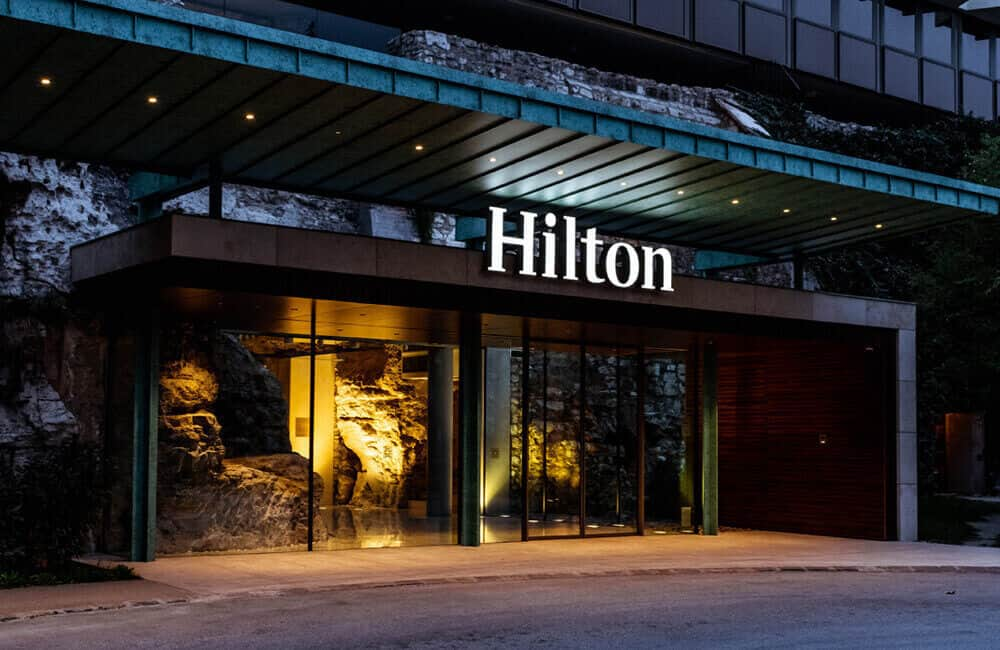
Hilton Hotels
Starplex Cinemas
The truth is that Starplex Cinemas never had the same level of success in the United States as AMC. After all, there are only 34 of them in the United States. Due to the rarity of theaters in many parts of the country, many people in the United States have never visited one. In 2015, AMC Theaters paid $175 million for it. AMC Classics theaters were built on the sites. We have already informed you that the Chinese conglomerate Dalian Wanda Group has acquired a majority share in AMC. By 2017, all Starplex theaters had been converted to AMC locations, and the company had effectively shut down. In other words, it has been acquired by both Dalian Wanda Group and AMC!
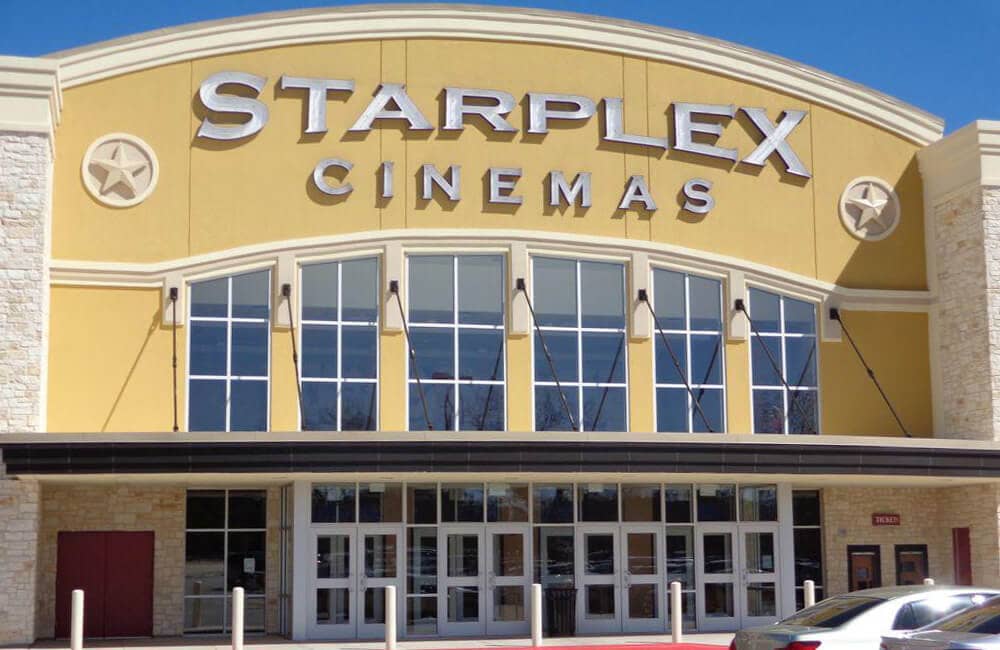
Starplex Cinemas
California Grapes International Inc
This company was established in San Jose, California. However, the company’s fortunes began to change after China Food Services Corp. acquired California Grapes International Inc. It was once focused on wine distribution, but has now faded into obscurity. The transaction’s cost has not been disclosed by either party. China Food Services Corp. was established in 1992, but what precisely does it do? They are “involved in food and beverage marketing and distribution across Asia and the Middle East,” according to their statement. Gold Dragon Food & Beverage Import and Export Corporation of Hong Kong, Ltd. is wholly owned by the company.
California Grapes International Inc
Fisher-Price
This toymaker has been in operation since 1930. Although Fisher-headquarters Price’s are in the United States, the company has a variety of international vendor ties. In addition, it has 11 facilities in China. Fisher-Price made headlines in 2007 as a result of its parent corporation, Mattel. More than one million toys made in those factories, according to several media sites, have been recalled. These items appear to have contained a substantial level of lead. If this substance is used, it may threaten children’s health. Keep in mind that the corporation’s primary concentration is on toys for very young children, making this information even more problematic.
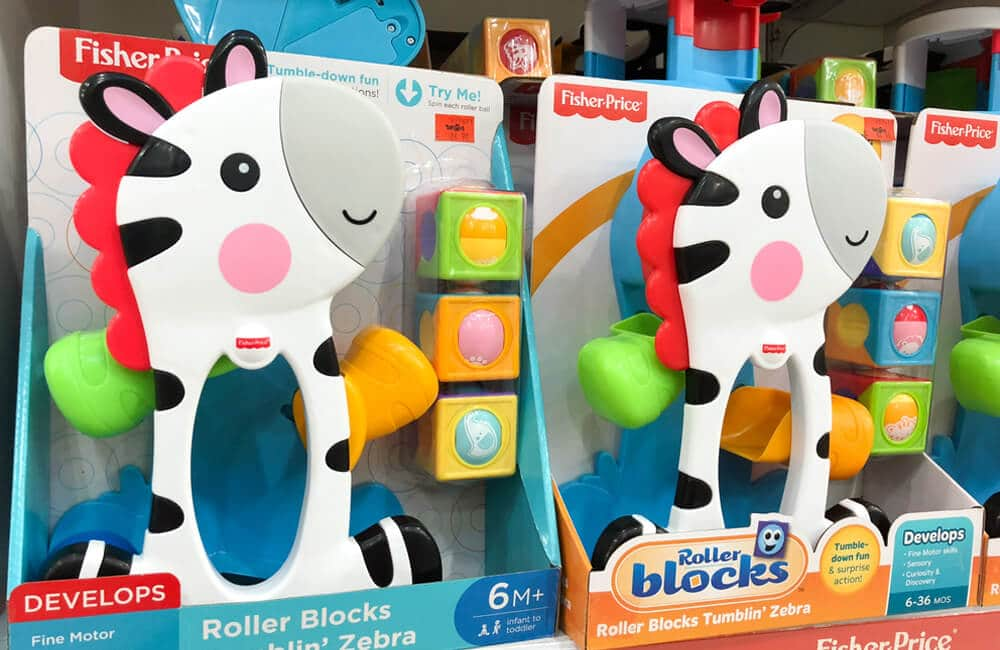
Fisher-Price
Hush Puppies
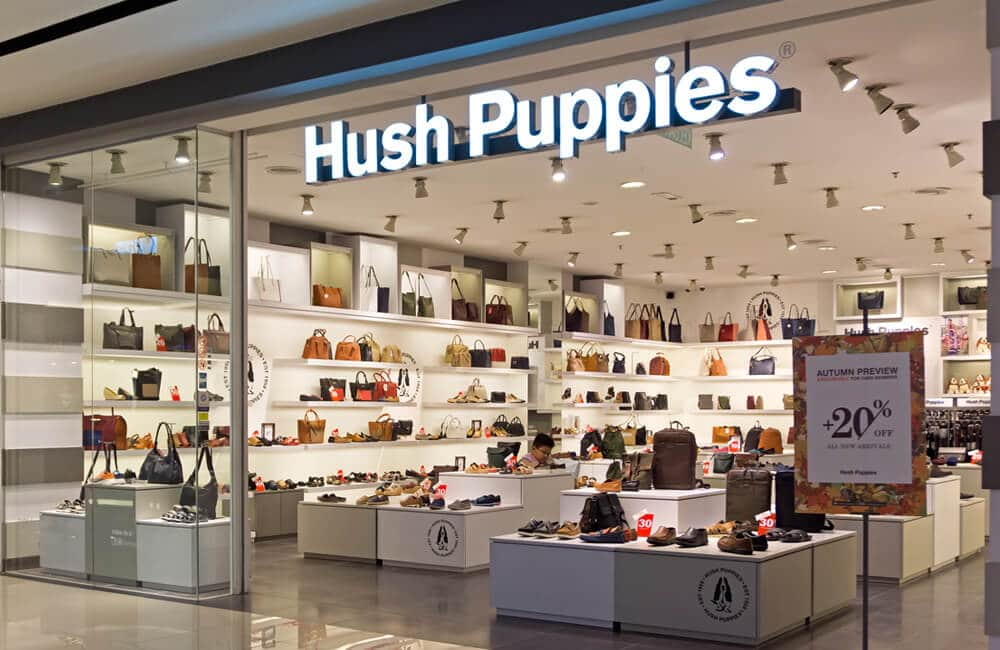
This shoe company first appeared on the market in 1958. The parent firm, Wolverine World Wide, markets and licenses its products in 120 countries, including the United States. However, the shoes are made in a variety of sites around the world. Until current chairman Geoffrey Bloom intervened in the mid-1990s, the corporation was in serious jeopardy. Despite the fact that the company’s headquarters and manufacturing facilities are in Rockford, Michigan, outsourcing manufacturing saves money. When the leather is tanned, it is coated with Scotchgard, a leather preservative, to increase the life of the shoes. The shoes are made in a variety of nations, including Brazil, Vietnam, and China.
Hush Puppies
Gillette
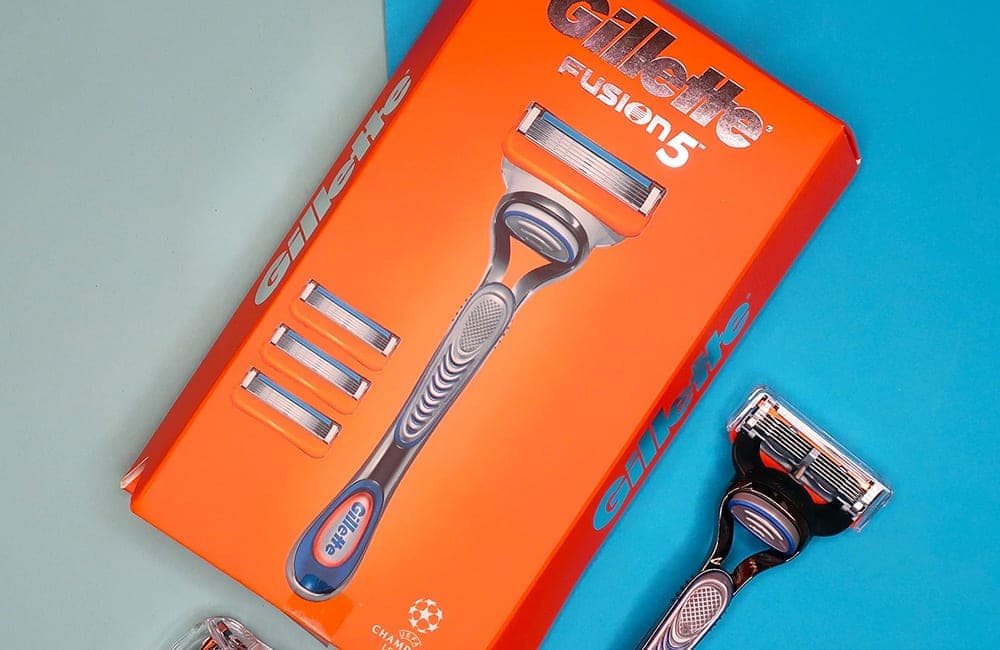
When it comes to shaving razors, many people automatically think of Gillette. While some of the blade’s components are made in China, the majority of the blade is made in the United States. In contrast, the whole razor’s componentry, including the cartridges, handles, and blades, is made in the United States. Boston has had an industrial industry since the early twentieth century. However, as evidenced by the website, demand for these items has skyrocketed, necessitating the company’s expansion. To meet market demand, Gillette launched a production operation in Shanghai in 1992. As a result, the company can now produce 1 billion razors every year.
Gillette
Barbie
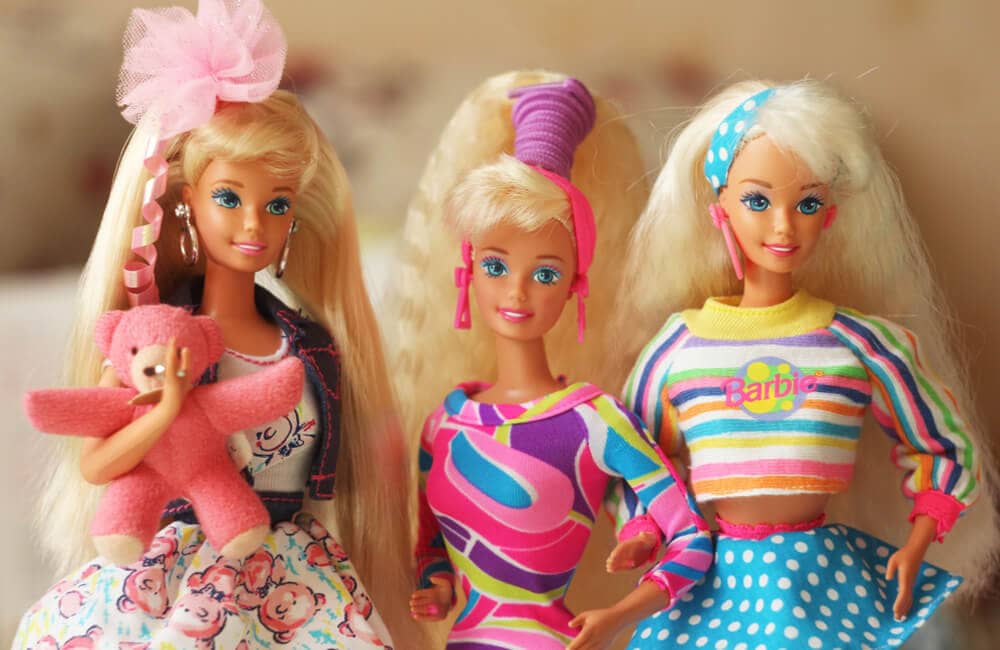
Ruth Handler created the first Barbie doll in 1959, launching the iconic Barbie brand. Collectors continue to flock to these dolls after six decades. Each year, 58 million dolls are sold, according to Mattel, the firm that creates them. As a result, it sells over a hundred dolls per minute. Mattel’s annual net sales is roughly $1.5 billion. Many people believe that the United States never produced Barbies. The first one appeared in Japan in 1959, amid the country’s post-World War II reconstruction. China, Indonesia, and Malaysia currently house the world’s four remaining plants.
Barbie
Huffy
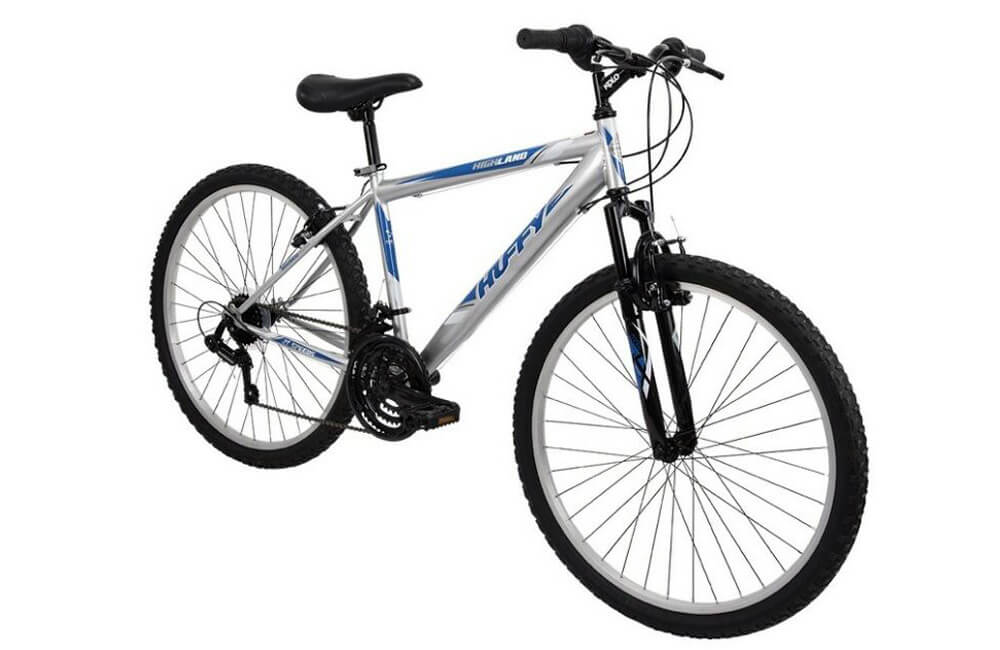
It’s rather impressive that the bicycle supply firm has been in business for nearly a century. Despite its headquarters in Dayton, Ohio, it currently runs a number of regional offices across the country. Gen-X Sports, Royce Union, Huffy Bicycle Co., and American Sports Design Co. are among the companies on the list. George Huffman established the company, which he named after his childhood nickname. It terminated two of its American plants in late 1999 and outsourced the majority of the production a few years later. One is in Taiwan, while the other five are in China. Since then, they’ve been in Celina, Ohio, to meet with their American counterparts.
Huffy
Oakley Sunglasses
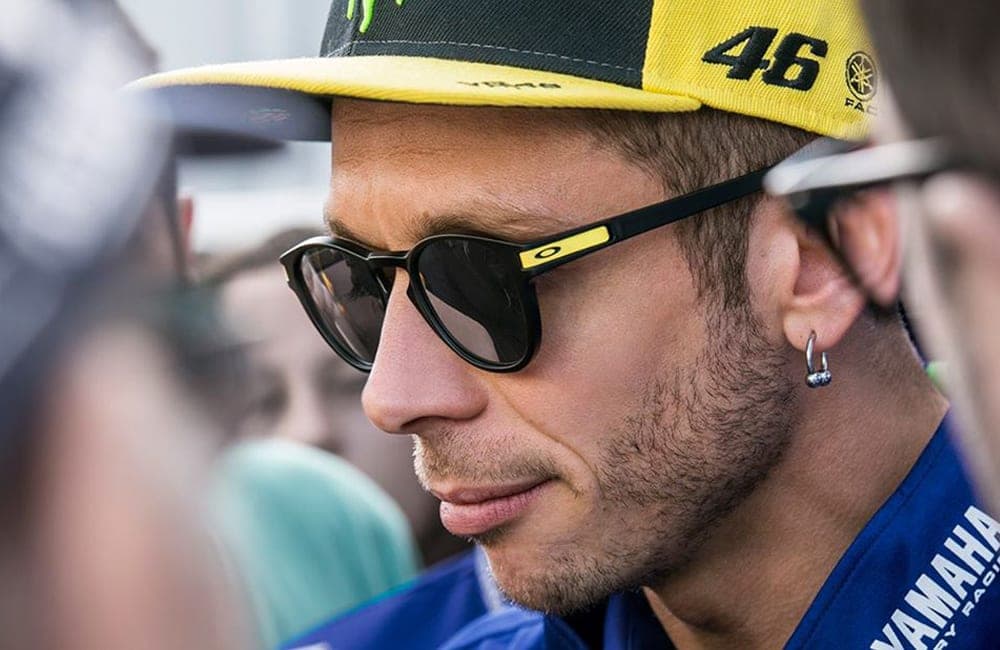
The company’s founder, James Jannard, initially invested $300 in Oakley. It’s remarkable to think about how it grew into the legendary sunglass brand that it is today. Luxottica, a Milanese company, had already purchased it. The headquarters of Oakley, on the other hand, remain in Lake Forest, California. The company raised $230 million in an initial public offering twenty years after its founding in 1975. Since then, it has expanded to include ski goggles and chin protection, among other goods. Following the sale of the company, Red Digital Cinema was created in 2007 by James Jannard, the former CEO.
Oakley Sunglasses
Converse
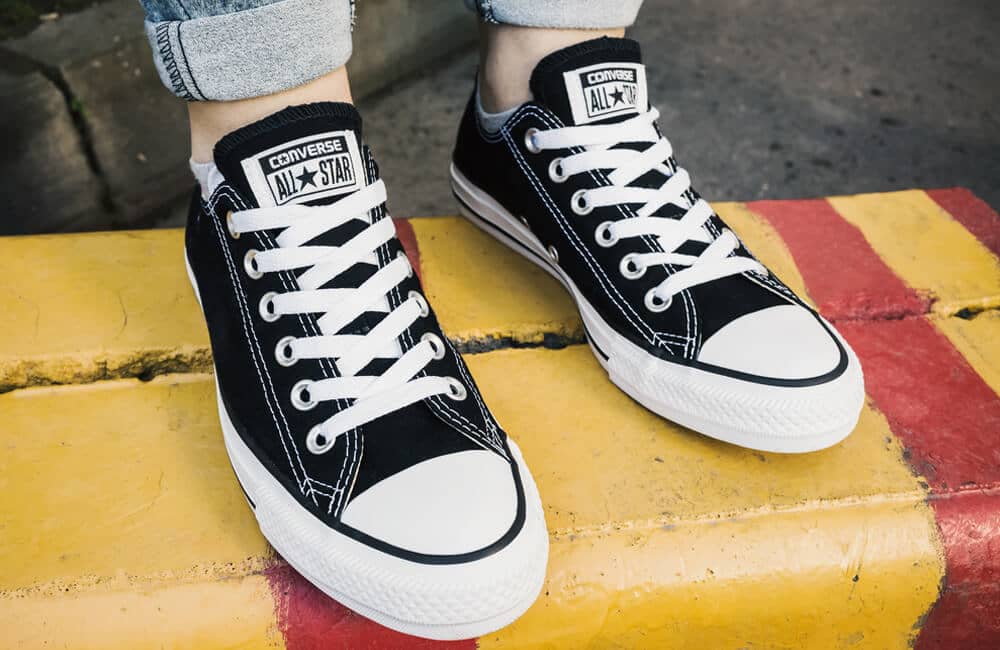
This Boston-based shoe company, founded in 1908, is well known for its canvas high-tops. Due to the outbreak of World War II, the company was forced to close its doors. It was a manufacturer of military footwear throughout history. It reappeared after the war, with some of its qualities intact. After Converse declared bankruptcy in 2001, things took a turn for the worst. Nike bought the company in 2003 to keep it afloat. Because of a parent company with numerous plants in China, it was also made in other countries. Currently, shoes are made in four countries: India, China, Indonesia, and Vietnam.
Converse
Nike
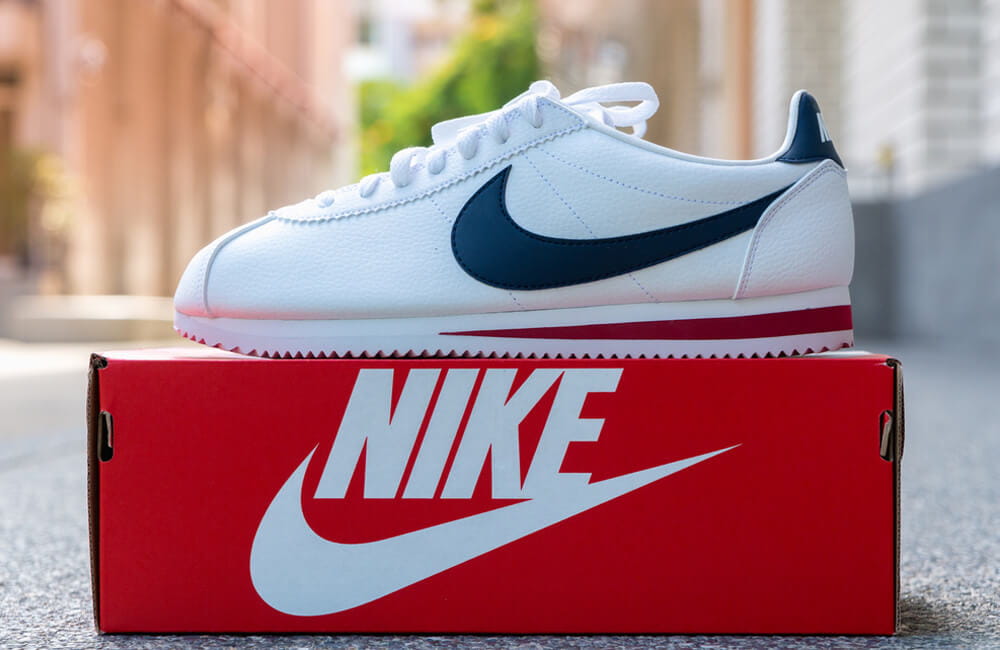
As previously noted, Nike has a huge number of manufacturing facilities located outside of the United States. According to reports, China manufactures one pair for every five! Contracts with 180 manufacturers spread around the country have resulted in the employment of over 210,000 people in the athletic clothing industry. As a result, in terms of Nike manufacturing, only Vietnam beats the United States. Furthermore, the company outsources production to Brazil, Japan, Sri Lanka, and Indonesia. Nike, on the other hand, has been working hard to reduce its reliance on Chinese labor. In 2012, one out of every three couples was created, but that proportion has since dropped to one out of every five. Nike, on the other hand, has never explained why this is the case.
Nike
Levi’s
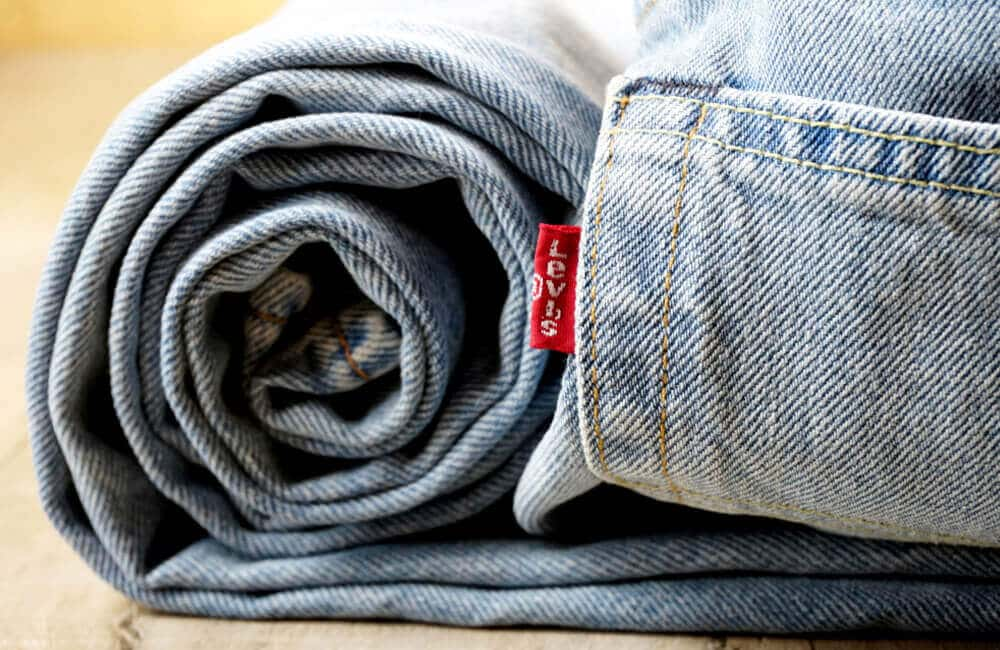
If you want to stock up on denim clothes, go no further than Levi’s Jeans. The company’s annual net revenues are $5.76 billion. As the consumer base evolved away from blue-collar workers and toward other industries in the 1960s, the company’s products became fashionable. The corporation went public in the early 1970s. It has now grown to operate in over 50 countries around the world. Every product on this website was created and manufactured outside of the United States. The 501 Jeans, on the other hand, are still manufactured in a North Carolina mill.
Levi’s
American Girl
Another of our doll lines is a best-seller in the United States! If you have any old or vintage American Girl dolls, you could be owed thousands of dollars. Pleasant Rowland developed the Pleasant Company, which made these dolls, in 1998. Previously, these items could only be obtained through mail order. Mattel purchased the trademark in 1998, broadening the popularity of the items. Increased supply resulted from increased demand. Even if the dolls are still manufactured in Germany, the books are still manufactured in Wisconsin. Their accessories, on the other hand, are made in China and delivered to Wisconsin for assembly.
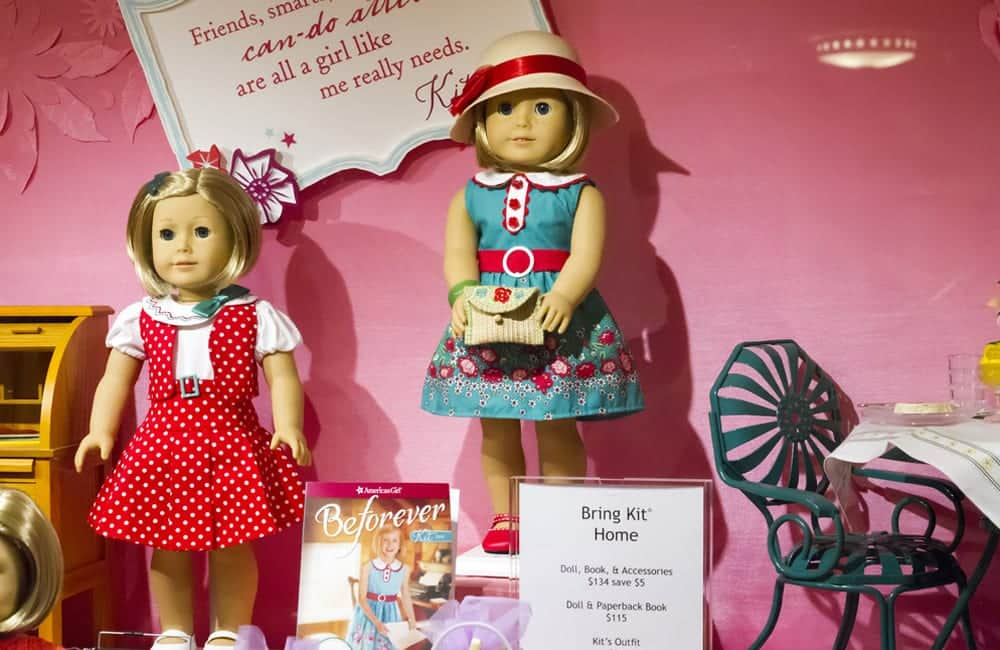
American Girl
Chevrolet
The fact that Chevrolet is made in the United States is its main selling feature. While the vehicles are still manufactured in Detroit, the components are made in China. Chevrolet vehicles contain more than half of their components from other countries. Consider the Chevrolet Silverado. Only 46 percent, on the other hand, are manufactured in the United States. Only 51% of Chevrolet Colorados are built in the United States. The Corvette is, without a question, the most emblematic of all things American. Except for nine countries, the automaker sells its vehicles all over the world. They were popular in South Korea until 2011 when they were renamed “Daewoo Motors.”
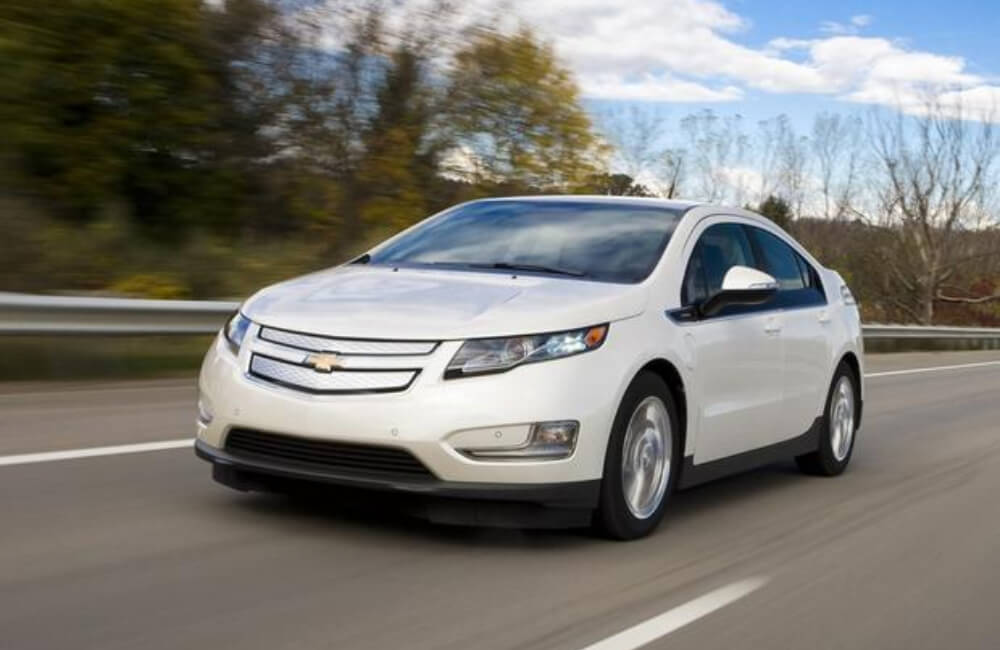
Chevrolet
Radio Flyer
Radio Flyer is headquartered in Chicago and is best known for its red toy wagon. Toy horses and trikes, as well as numerous bicycles and tricycles, are also available. It has been in existence for nearly a century and is still based in the same place. The toy business promoted a Chicago brand in 2004. Despite their assertions to the contrary, they actually produce their tricycles and scooters in China. With the exception of the plastic red wagon, which has always been manufactured in Wisconsin, there are no noteworthy exceptions. Radio Flyer celebrated its 80th anniversary by creating the largest wagon in the world.
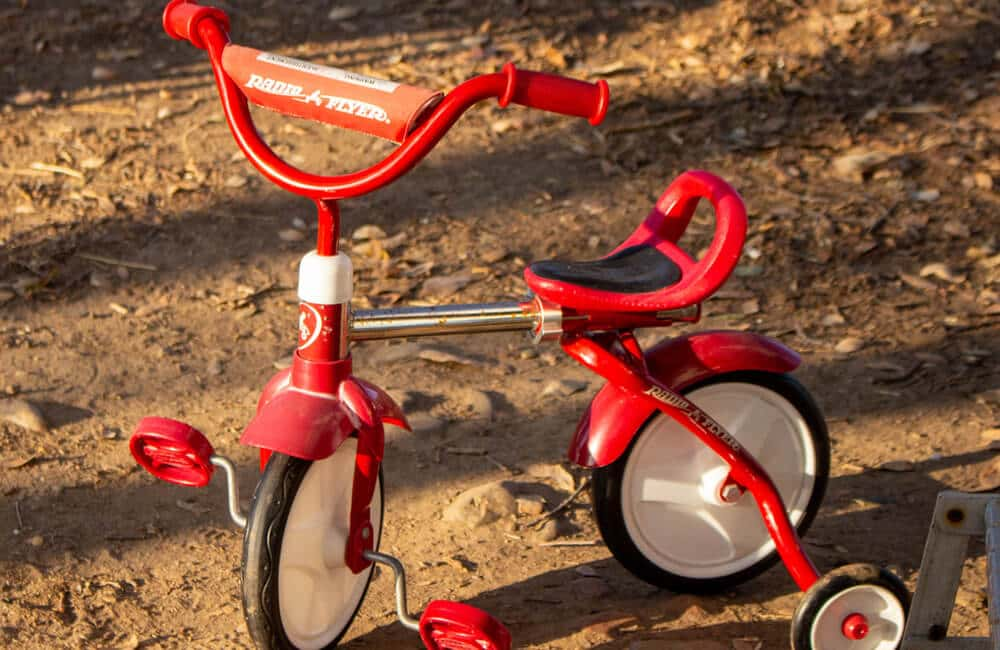
Radio Flyer
Craftsman
Craftsman tools are available at a number of home improvement retailers, including Sears, Lowe’s, Walmart, and The Home Depot. Although it has facilities in the United States, certain manufacturing is outsourced to China and Taiwan. The parent firm, which is currently controlled by Sears, made this decision. Apex Tool Group manufactures sockets, ratchets, and wrenches in China and Taiwan. Craftsman, on the other hand, has a relationship with a distinct tool maker, Western Forge. The products are manufactured in both Asia and the United States because this firm manufactures the tools in the United States.
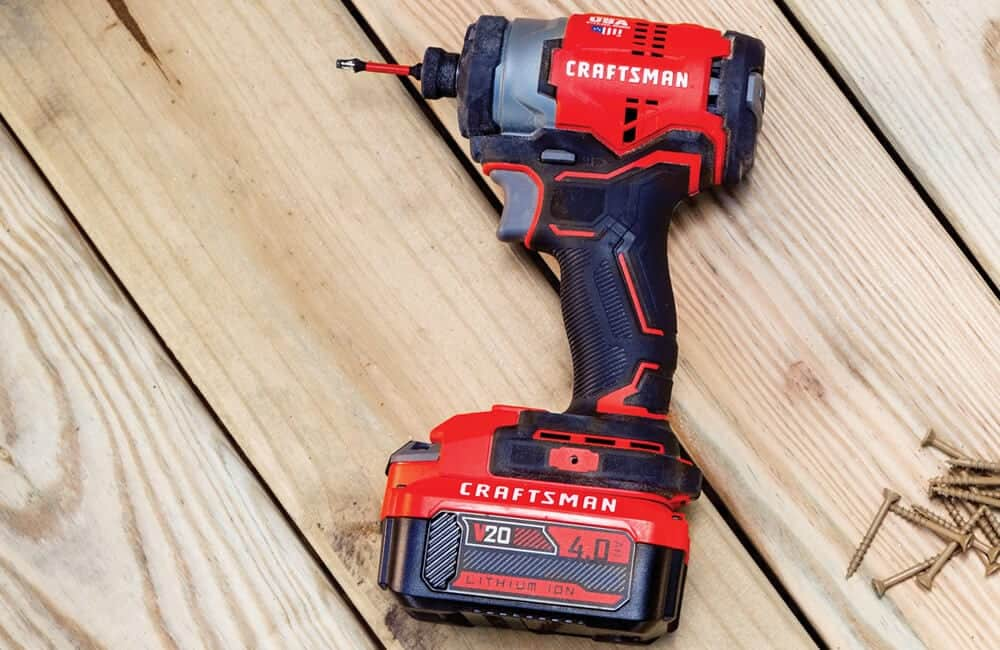
Craftsman
Samsonite
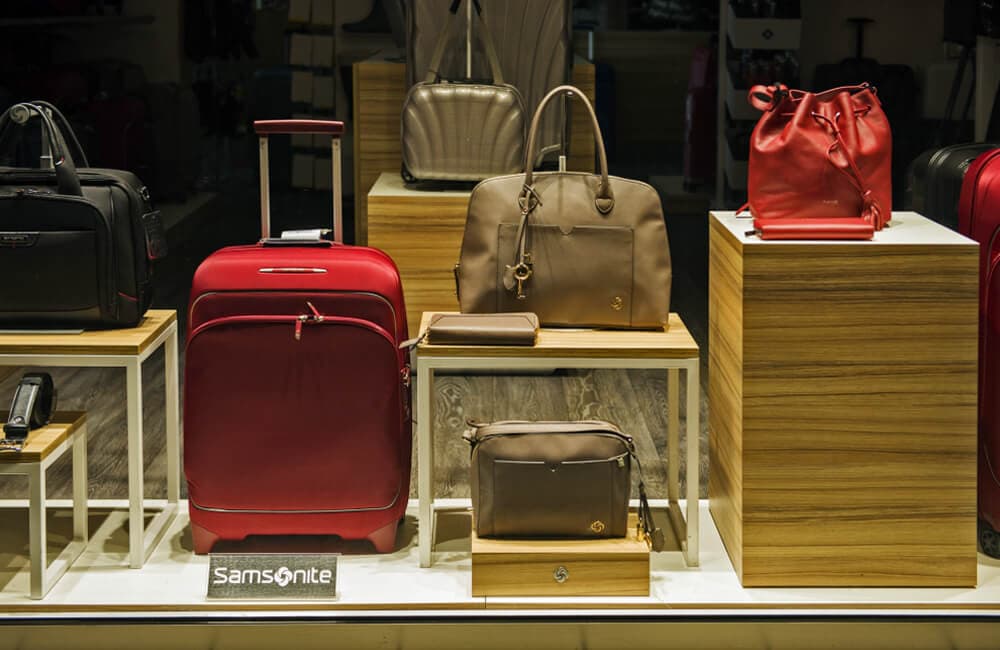
Jesse Shwayder began this luggage company in Denver, Colorado in 1910. After 91 years on the West Coast, it was forced to relocate owing to a shift of ownership across the country. The corporate headquarters of Samsonite are currently located in Mansfield, Massachusetts. However, the vast majority of these products are produced in Europe and Asia! The company has operations in China, India, and Hungary. Around 40% of the company’s hard baggage is produced in Nashik, India. This brand is big in China, not only in terms of production and employment but also in terms of sales! Indeed, two-thirds of Samsonite’s Chinese sales are accounted for by contract manufacturers in Shanghai.
Samsonite
Dell
Dell is one of the world’s major computer manufacturers, and you’ve probably heard of them. Despite Michael Dell’s efforts in the early 1980s, the company’s manufacturing operations have subsequently become fragmented. In Austin, Texas, they build their own web servers for their global clientele. Despite the fact that the machines were previously made in the United States, they elected to outsource production to countries other than the United States. The company is presently present in Brazil, China, Ireland, Malaysia, and Mexico. It is an Irish custom fabrication firm situated in Limerick. When it first opened in 2000, it drew a lot of interest from the media. It is one of Ireland’s largest manufacturers, occupying 40,000 square feet and employing 23,000 people.
Dell
Smithfield
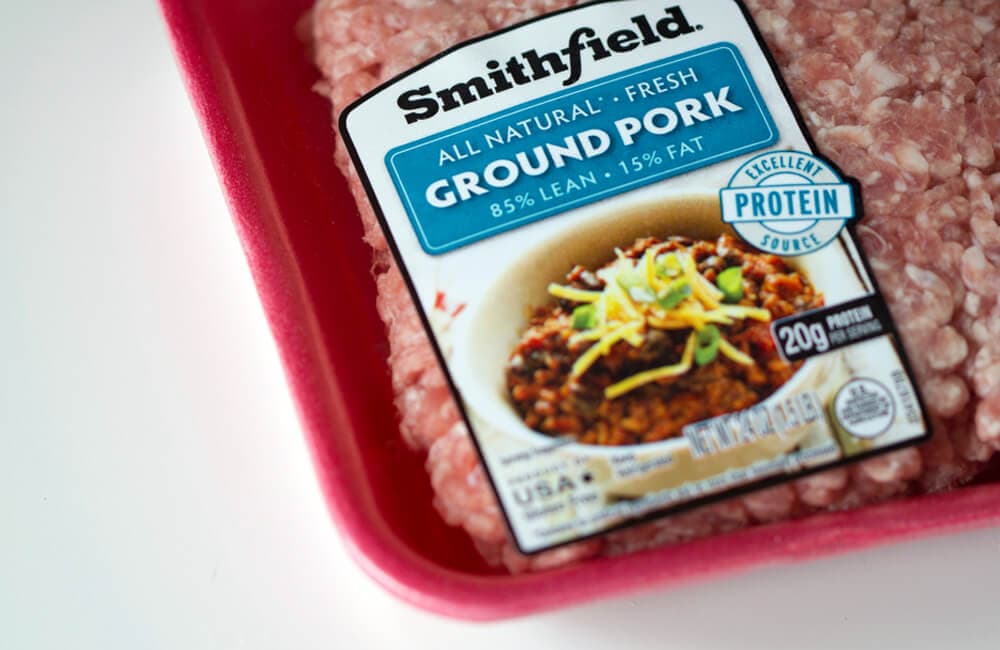
Smithfield Foods is the only company that sells pork-based products. This firm has been in operation since 1936, when Joseph W. Luter and his son founded it. The company rapidly grew until it had over 500 farms in the United States and was a major player in the market. In 2013, WH Group paid $4.72 billion for it. A Chinese corporation had never previously spent this much money in the United States. Despite the fact that the corporation’s headquarters remain in Smithfield, Virginia, executive decisions are made in Luohe, Henan.
Smithfield
Holiday Inn
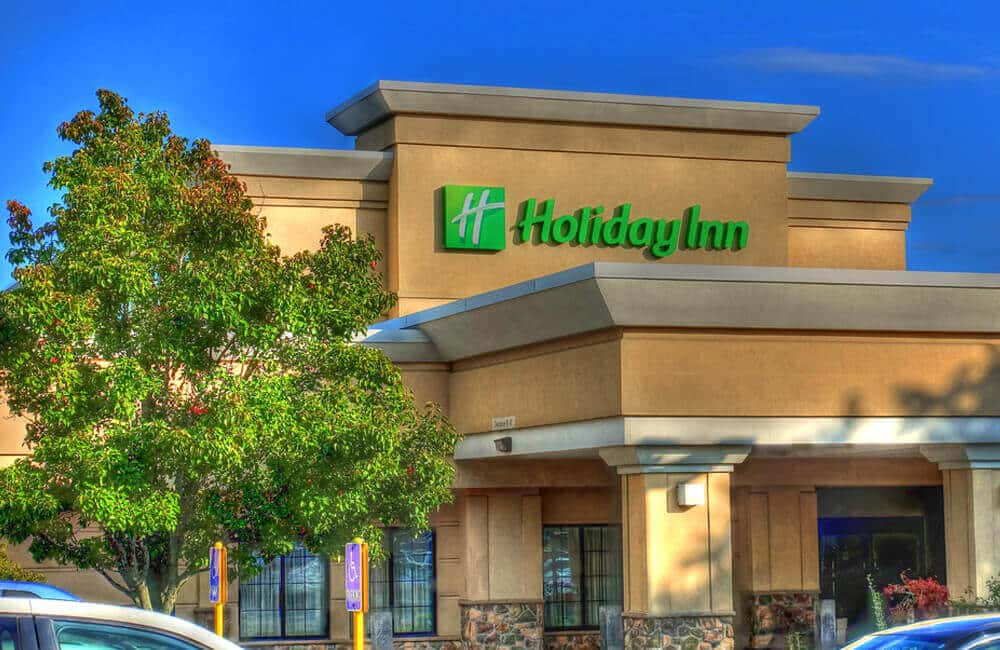
Holiday Inn originated as a little motel between Memphis and Nashville over 70 years ago. During a difficult road trip with his family, Kemmons Wilson had a brilliant idea. Wallace E. Johnson had already collaborated with him a year after he began the project. The hotel chain was purchased by the Intercontinental Hotels Group in the late 1980s. Even now, new stores are springing up all over the country and the world. It is still owned by IGH, demonstrating that it was a wise investment.
Holiday Inn
Motorola
Motorola, which is well-known for its electronic devices, was founded in Schaumburg, Illinois, long before mobile phones existed. Following its debut in 1928, it grew in popularity gradually, reaching a pinnacle of success with flip phones and other devices. Google eventually bought it, only for Lenovo, a Chinese conglomerate, to buy it back in 2014. Google lost money on this transaction since it paid $12 billion for the company two years before selling it for $2.9 billion. Even now, Google’s willingness to lose $10 billion on this transaction remains a puzzle.
Motorola
Burger King
When most people think of fast food, they think of the United States. Burger King is one of many franchises that are independently owned and operated. David Egerton and James McLamore launched the first “Insta Burger King” in 1954 in Miami, Florida. They had no clue it would become a worldwide brand. Following that, they were allowed to leave the firm for the first time in a decade. It has since been owned by a number of different people. It is currently owned by Restaurant Brands International, a Canadian corporation. 3G Capital, a New York-based investment firm, continues to provide financial support to BK.
Burger King
Lucky Strike
According to my research, the most popular cigarette brand in the United States is Lucky Strike (commonly known as Luckies). People smoked the product in the 1930s and 1940s as a result of the product’s aggressive marketing push. As a result, the brand shot to the top of the tobacco industry’s sales rankings. In 1976, British American Tobacco became the company’s first customer. The British firm purchased the American Tobacco Company and its subsidiaries Lucky Strike and Pall Mall in 1994. Despite countless changes, it is still seen as a symbol of America. This is due in part to its popularity in popular culture. This corporation was mentioned multiple times in Mad Men.
Lucky Strike
Budweiser
Some argue that when it comes to beer, you can’t get more American than this. Despite the fact that it was started in Missouri and that the container still says “America,” this company is no longer American. InBev, a Belgian brewer, paid $52 billion to buy the company in 2008. While it once had a strong American identity, it is now and in the future a very different place. Whatever the case may be, we are relieved that the parent business did not alter the recipe. It hasn’t lost any of its original flavors!
Budweiser
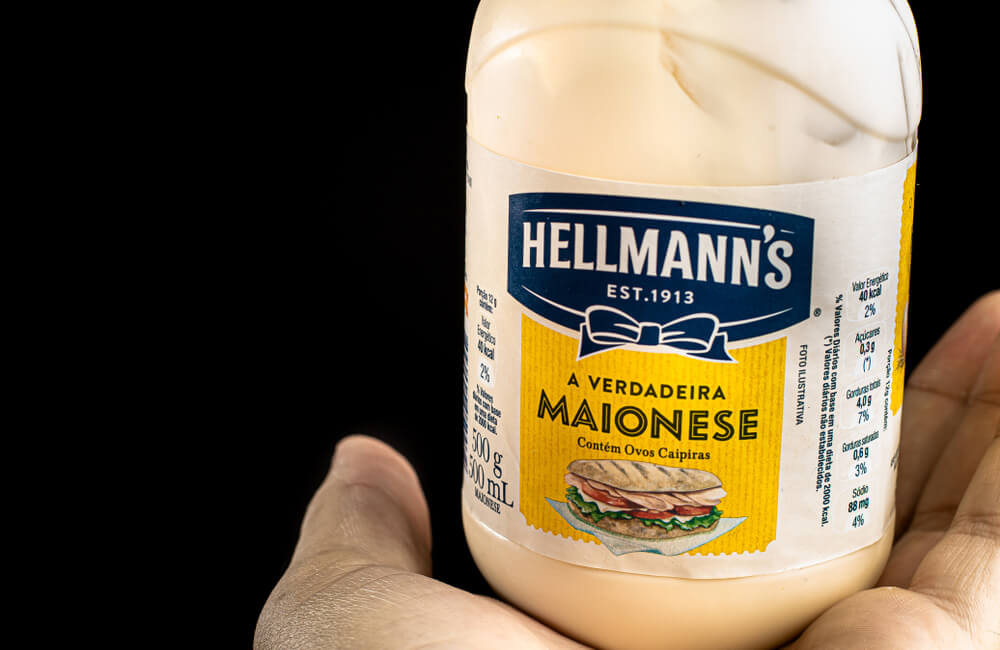
Hellman’s
You’ve probably heard of Hellman’s mayonnaise! Even if you don’t, there’s a high chance you have some in your fridge right now. Richard Hellmann created his own Dijon mustard recipe in 1905 by adapting a French condiment for the American market. Because his customers enjoyed it, he decided to advertise it on his own. Best Foods purchased the business in 1932 and ran it for the following seventy years. In the year 2000, Unilever paid $20.3 billion for Hellman’s. This is surprisingly good for a New York City-prepared dip!
Hellman’s